Baby Skin Dryness and Flaking: Weather, Bathing, and Product Triggers
by Maroa Noa · 25 Mar 2026

Soft, smooth skin is one of the most cherished features of infancy. However, many parents become concerned when their baby’s skin turns dry, rough, or flaky.
While baby skin dryness is extremely common — especially in the first year of life — persistent symptoms can cause discomfort, itching, and sleep disturbances for both baby and caregiver.
Baby skin is thinner, more sensitive, and loses moisture faster than adult skin, making it highly vulnerable to environmental conditions, bathing practices, and unsuitable products.
Understanding the underlying triggers is essential for choosing the right care routine and preventing complications such as irritation, eczema flare-ups, or skin infections.
This comprehensive guide explains the main causes of baby skin dryness and flaking, highlights warning signs that require medical attention, and recommends pharmacy products available from Pharmily Limited Kenya that can help soothe, protect, and restore your baby’s delicate skin.
Why Baby Skin Dries Out So Easily
Newborn and infant skin is still developing its protective barrier. The outer layer (stratum corneum) contains less natural oil and fewer moisture-retaining factors compared to adult skin.
As a result, babies lose water more quickly through the skin — a process known as transepidermal water loss.
In addition, babies cannot regulate temperature or hydration as efficiently as adults. Environmental exposure, clothing, bathing habits, and product choices can therefore have a much stronger effect on their skin condition.
Even minor changes in routine can trigger noticeable dryness or flaking.
Weather-Related Causes of Dry Baby Skin
Cold and Dry Air
Cold weather and low humidity significantly reduce moisture in the air, which in turn pulls water from the skin. Indoor heating systems further worsen dryness by creating warm but dehydrating environments.
Babies exposed to cold air outdoors and dry heat indoors often develop rough patches, especially on the cheeks, arms, and legs. Wind exposure can also irritate the skin barrier, causing redness and flaking.
Hot Weather and Air Conditioning
Excessive heat can cause sweating and dehydration, while air conditioning removes humidity from indoor air. This combination may leave baby skin dry despite appearing slightly moist from perspiration.
Frequent wiping of sweat can also irritate sensitive skin, leading to peeling or roughness, particularly in skin folds.
Bathing Habits That Contribute to Dryness
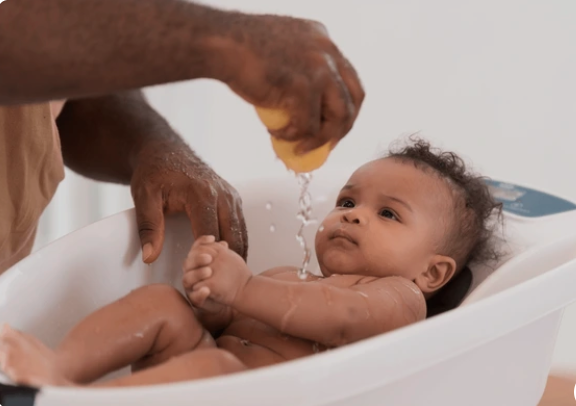
Over-Bathing
While hygiene is important, daily long baths can strip the skin of natural oils that protect against moisture loss. Babies generally do not require frequent full baths unless they are visibly dirty.
Excessive bathing is one of the most common — and preventable — causes of infant skin dryness.
Hot Water Exposure
Hot water dissolves the skin’s protective lipid layer, leaving it vulnerable to dehydration. Lukewarm water is recommended for infant bathing to preserve natural moisture.
Even brief exposure to very warm water can worsen dryness in babies with already sensitive skin.
Harsh Soaps and Cleansers
Adult soaps or strongly scented baby washes often contain detergents that disrupt the skin barrier. These products remove dirt but also remove protective oils, leading to tightness, irritation, and flaking.
Gentle, fragrance-free cleansers designed specifically for babies are far less likely to cause dryness.
Product Triggers That Irritate Baby Skin
Fragranced Lotions and Oils
Artificial fragrances, dyes, and preservatives can irritate delicate skin and trigger dryness or allergic reactions. Some products marketed for babies may still contain sensitizing ingredients.
Parents should look for hypoallergenic, dermatologically tested formulations with minimal additives.
Alcohol-Based Wipes
Certain baby wipes contain alcohol or harsh preservatives that can dry the skin, especially with frequent diaper changes. Repeated exposure may cause peeling or redness in sensitive areas.
Choosing alcohol-free wipes or rinsing with water can help prevent irritation.
Laundry Detergents and Fabric Softeners
Residues from heavily scented detergents or fabric softeners can remain on clothing and bedding, irritating baby skin continuously throughout the day and night.
Switching to mild, fragrance-free detergents can significantly improve symptoms.
Common Conditions Associated With Flaky Baby Skin
Not all dryness is purely environmental. Some medical skin conditions present with flaking:
Newborn Peeling
Many newborns shed their outer skin layer within the first few weeks after birth. This is normal and usually resolves without treatment.
Cradle Cap (Seborrheic Dermatitis)
Characterized by greasy, yellowish scales on the scalp, cradle cap is not caused by dryness but may coexist with flaky skin elsewhere.
Infant Eczema (Atopic Dermatitis)
Eczema causes intensely dry, itchy patches that may become red, inflamed, or cracked. It often appears on the cheeks, arms, or behind the knees.
Persistent or worsening symptoms should be evaluated by a healthcare professional.
Products That Can Help Soothe and Protect Baby Skin
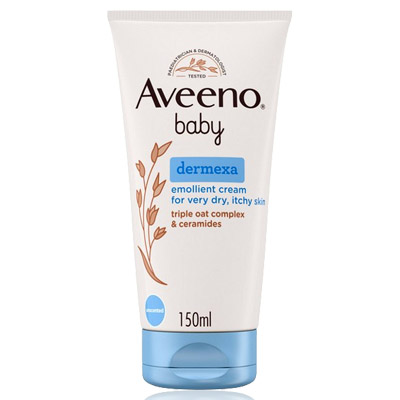
Several gentle skincare products available from Pharmily Limited Kenya can help restore moisture, strengthen the skin barrier, and relieve discomfort.
Intensive Moisturizing Creams
- Aveeno Baby Dermexa Emollient Cream
The Triple Oat Complex (colloidal oatmeal, oat oil, and oat extract) works with ceramides to restore and strengthen the skin's natural defences—providing comfort, softness, and protection with every use. - Cetaphil Baby Daily Lotion
Is a mild, soap-free face and body cleanser specially formulated for dry, sensitive, or irritated skin. Recommended by dermatologists for over 70 years, it gently cleans without stripping the skin’s natural oils or causing tightness..
Barrier Repair Ointments
- Bepanthen Ointment
Bepanthen Nappy Rash Ointment has been uniquely designed to protect against nappy skin rash and help promote the natural healing of your baby's delicate skin. - Sudocrem Antiseptic Healing Cream
This is a trusted and versatile skincare product designed to soothe, heal, and protect irritated skin. This iconic cream is formulated with a unique blend of active ingredients, including zinc oxide and benzyl alcohol, which provide antiseptic, anti-inflammatory, and healing properties.
Practical Home Care Tips for Preventing Dryness
Moisturize Immediately After Bathing
Applying moisturizer within three minutes of bathing helps trap water in the skin and restore hydration. Thick creams or ointments are more effective than thin lotions for very dry skin.
Use a Humidifier
Adding moisture to indoor air can significantly improve skin hydration, especially during dry seasons or when heating systems are used.
Dress Babies in Soft, Breathable Fabrics
Cotton clothing reduces irritation and allows the skin to breathe. Avoid rough fabrics such as wool directly against the skin.
Limit Soap Use
Use cleansers only where necessary (diaper area, neck folds, hands, and feet). Plain water is often sufficient for the rest of the body.
Medical Red Flags: When to See a Doctor
Seek medical evaluation if dryness is accompanied by:
- Severe redness or swelling
- Oozing, crusting, or signs of infection
- Persistent itching that disrupts sleep
- Cracked or bleeding skin
- Failure to improve despite moisturization
- Poor feeding or irritability linked to discomfort
Early treatment prevents complications and improves comfort.
Baby skin dryness and flaking are common but manageable concerns. Environmental factors such as weather, excessive bathing, and irritating products are the most frequent triggers, though underlying skin conditions may also play a role.
By adopting gentle skincare routines, minimizing exposure to harsh substances, maintaining proper hydration, and using suitable pharmacy products available from Pharmily Limited Kenya, parents can effectively protect their baby’s delicate skin and prevent recurring dryness.
When symptoms persist or worsen, professional medical advice ensures timely diagnosis and appropriate treatment. Healthy skin supports comfort, sleep, and overall well-being — all essential for a thriving infant.
FAQs
Q1: Is peeling skin normal in newborns?
Yes. Many newborns shed their outer skin layer within the first weeks of life, and this usually resolves without treatment.
Q2: How often should I bathe my baby with dry skin?
Two to three times per week is typically sufficient, unless the baby is visibly dirty. Daily sponge cleaning of key areas can maintain hygiene without over-drying.
Q3: Are oils better than creams for dry baby skin?
Creams and ointments usually provide longer-lasting hydration, while oils help seal moisture when applied after bathing. Both can be useful depending on skin needs.
Q4: Can dry skin indicate eczema?
Yes. Persistent dryness accompanied by redness and itching may indicate eczema and should be evaluated by a healthcare professional.
Q5: When should I worry about flaky skin?
If dryness is severe, persistent, infected, or affecting feeding and sleep, medical assessment is recommended.