Best Sunscreen for Dark Skin in Kenya: SPF Guide for East African Skin Tones
by Maroa Noa · 01 Jul 2026
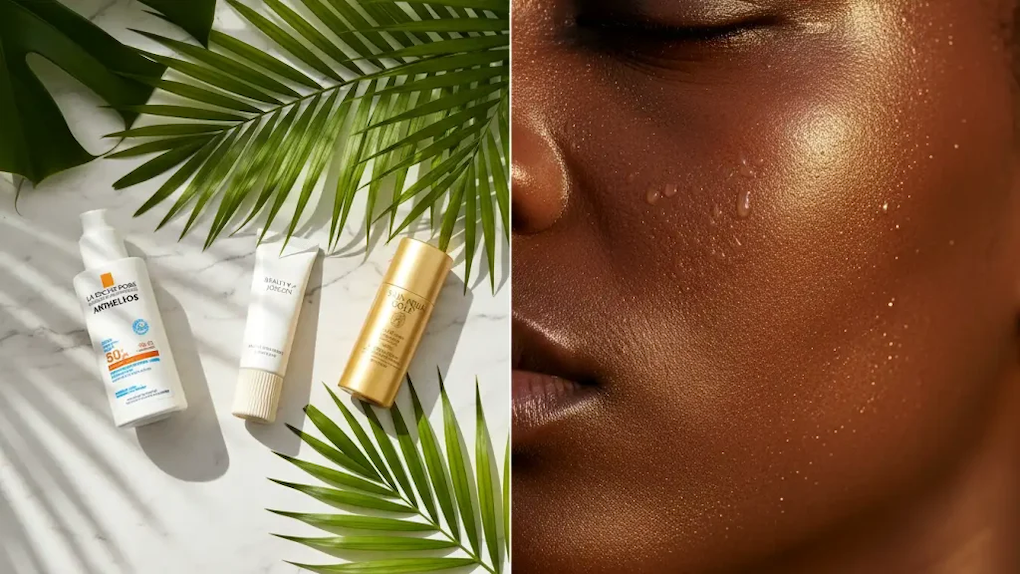
Best Sunscreen for Dark Skin in Kenya: SPF Guide for East African Skin Tones
Let's be real — most of us grew up hearing "black don't crack" and quietly assuming that meant we didn't need sunscreen.
If you've ever skipped SPF because your skin "doesn't really burn", you're not alone. But here's what nobody told you: your melanin is doing a lot of work, and it still isn't enough.
In Kenya, where we sit almost directly on the equator, the sun doesn't take days off. Not in June. Not when it's overcast. Not when you're inside near a window. And while darker skin does have a natural advantage, the science shows it only goes so far — and the gap between what melanin provides and what your skin actually needs is bigger than most people realise.
This guide covers everything: why SPF matters for East African skin tones, how to choose the right sunscreen without getting a ghostly white cast, and the best options available right now at Pharmily Kenya.
Why Sunscreen Has Historically Felt Like "Not for Us"
If you've tried a sunscreen and ended up looking ashy, grey, or like you dusted your face with chalk, you're not imagining it.
For decades, most sunscreens were formulated with lighter skin tones in mind — and mineral-based formulas with zinc oxide or titanium dioxide were notorious for leaving a bright white cast on deeper complexions.
That's a real problem. If a product makes you look worse, you won't use it — and for a long time, the beauty industry gave Kenyan consumers almost no alternatives. The good news? That's changed significantly. Modern sunscreens — especially the options available at Pharmily — are designed to absorb invisibly, blend seamlessly into melanin-rich skin, and actually feel comfortable in Nairobi's heat and humidity.
Here's what else might have put you off sunscreen in the past:
- Thick, greasy textures that feel suffocating in hot weather
- Pore-clogging formulas that worsen breakouts
- Fragrances and alcohol that irritate sensitive skin
- The feeling that it's only needed on "sunny days" — even though UVA rays penetrate clouds and glass
These are valid frustrations with old products. Modern lightweight gels, fluids, and lotion textures have solved most of them. The key is knowing what to look for.
What SPF Level Do You Actually Need in Kenya?
|
Situation |
Recommended SPF |
|
Working indoors, near windows |
SPF 30 minimum |
|
Daily commuting in Nairobi |
SPF 30–50 |
|
Outdoor work, fieldwork, boda rides |
SPF 50+ |
|
Beach, coast, direct midday sun |
SPF 50+ |
|
Post-treatment skin (chemical peels, acne treatment) |
SPF 50+ |
|
Pregnancy / treating melasma |
SPF 50+ |
For most Kenyans going about daily life in Nairobi, SPF 50 is the sweet spot. It's not overkill — it's the right response to a UV Index that regularly hits "extreme".
But SPF alone isn't the whole story. What you're really looking for is:
Broad-spectrum protection — This means the sunscreen blocks both UVB rays (which cause burning and DNA damage) and UVA rays (which cause ageing and deep skin damage). Always check the label. A product can have SPF 50 and still only block UVB.
PA rating (for UVA) — Look for PA+++ or PA++++ on the packaging. This is the UVA protection rating system. The more plus signs, the better.
No white cast — Look for "fluid", "invisible finish", or "tinted formula". Chemical sunscreens generally absorb more invisibly than mineral-only formulas on darker skin.
Non-comedogenic — Especially important if you have oily or acne-prone skin. This means it won't clog your pores.
Lightweight texture — Gels and fluids work best in Nairobi's humid conditions. Heavy creams can feel uncomfortable and may pill under makeup.
The 5 Features Every Sunscreen for Dark Skin in Kenya Should Have
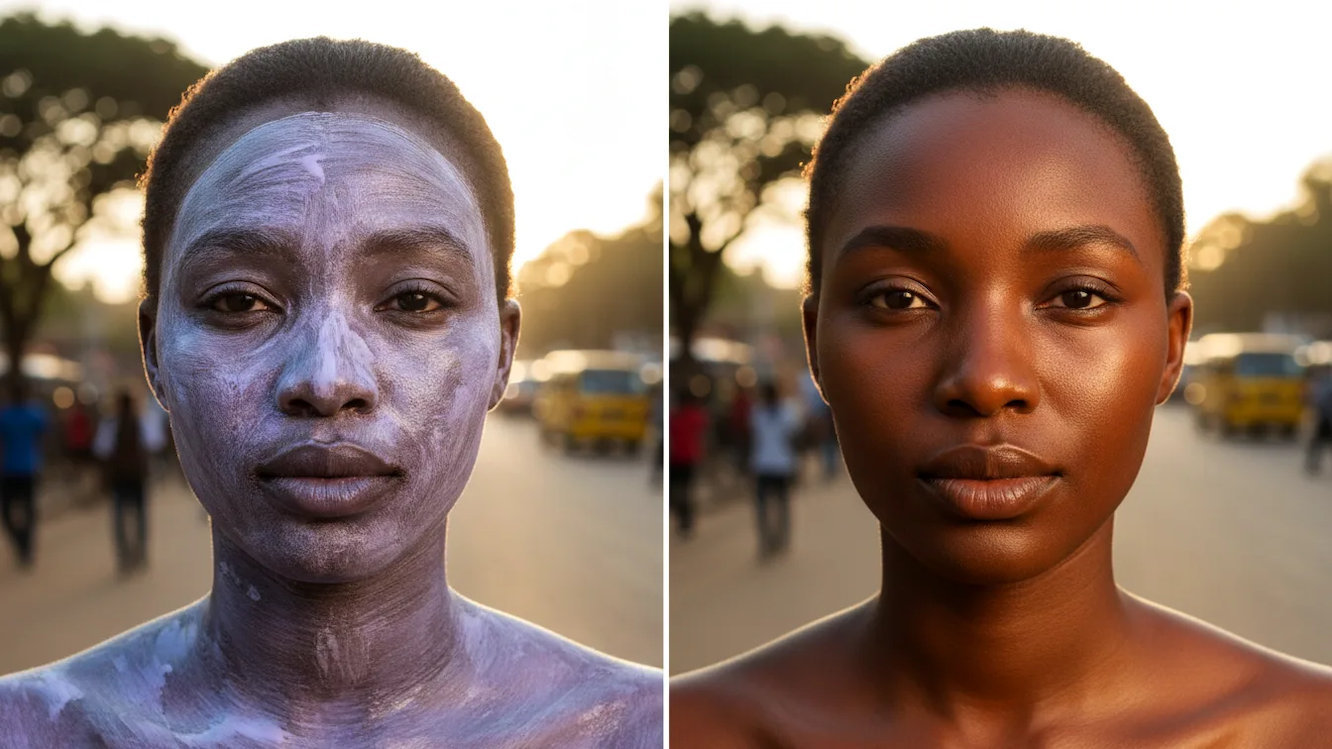
Before you browse the shelves (or the Pharmily app), run any candidate through this checklist:
1. SPF 30 minimum, SPF 50+ ideal. Given Nairobi's UV extremes, SPF 30 is the floor, not the ceiling.
2. Broad-spectrum (UVA + UVB). UVA is responsible for the dark spots and premature ageing that melanin-rich skin is particularly prone to. If it doesn't say "broad-spectrum", skip it.
3. No significant white cast on deep skin tones. Test it on your jawline before committing. The formula should either absorb fully or leave zero visible residue after blending.
4. Suitable for hot, humid conditions. Nairobi's temperatures and humidity mean you need something that stays put without becoming a slippery mess by 10 am. Lightweight, water-resistant formulas perform best.
5. Won't worsen hyperpigmentation. Some sunscreens contain ingredients like oxybenzone that can irritate sensitive skin or trigger reactions. Look for formulas with niacinamide, antioxidants, or anti-pigmentation actives as a bonus.
Best Sunscreens for Dark Skin Available in Kenya
These three options are available right now at Pharmily and have been selected for their suitability for melanin-rich East African skin tones.
1. La Roche-Posay Anthelios Anti-Dark Spot Fluid SPF 50+
This is one of the most clinically advanced sunscreens formulated specifically for pigmentation-prone skin, and it's the top pick for anyone dealing with dark spots, acne marks, or uneven skin tone.
What makes it stand out for Kenyan skin:
La Roche-Posay's Anthelios range uses their patented MEXORYL SX and XL filter system, which is recognised by dermatologists for superior UVA protection — the rays primarily responsible for hyperpigmentation. The "Anti-Dark Spot" variant goes further by targeting existing pigmentation while preventing new spots from forming.
The fluid texture is key. It absorbs fully into deeper skin tones without leaving that chalky residue that puts so many of us off sunscreen. You can wear it under makeup, over moisturiser, or on its own.
Best for:
- Treating and preventing dark spots and post-acne marks
- Uneven or patchy skin tone (melasma, PIH)
- Sensitive skin that reacts to heavier formulas
- Daily Nairobi city use
2. ZELATON SPF 50 Sunscreen Lotion
If you're looking for solid, everyday SPF 50 protection that won't break the bank or sit heavily on oily skin, ZELATON is a reliable workhorse. It's lightweight, broad-spectrum, and performs well in Nairobi's heat – particularly for those on the go.
What makes it stand out:
- High SPF 50 protection against both UVA and UVB
- Lightweight lotion consistency that doesn't feel greasy
- Minimal white cast on medium-to-deep skin tones
- Good daily wear option for outdoor commuters and people who spend time in the sun
Best for:
- Outdoor workers, commuters, market traders
- Oily and combination skin types
- Everyday SPF 50 protection on a budget
- Those who need to reapply throughout the day (value-for-size)
3. COSMO Sunblock Lotion SPF 30
For someone just starting their sunscreen journey or looking for a budget-friendly daily option for indoor/outdoor use, COSMO SPF 30 is a solid entry point. At SPF 30, it blocks approximately 97% of UVB rays — enough for moderate sun exposure when reapplied correctly.
What makes it stand out:
- Accessible price point — great for building the habit of daily use
- Lightweight, moisturising formula that works well under makeup
- No greasy residue
- Works well as a year-round daily SPF for those not in direct sun for long periods
Best for:
- First-time sunscreen users building a daily SPF habit
- Office workers with limited outdoor exposure
- Daily wear under foundation or BB cream
- Budget-conscious buyers
SPF Comparison at a Glance
|
Product |
SPF |
UVA |
Best For |
Skin Type |
Price Range |
|
La Roche-Posay Anthelios Anti-Dark Spot |
50+ |
Very High (UVMune 400) |
Dark spots, hyperpigmentation |
All, especially sensitive |
Premium |
|
ZELATON Sunscreen Lotion |
50 |
High |
Daily outdoor protection |
Oily, combination |
Mid-range |
|
COSMO Sunblock Lotion |
30 |
Broad-spectrum |
Daily indoor/outdoor |
All skin types |
Budget-friendly |
How to Apply Sunscreen Correctly (This Part Is Non-Negotiable)
Here's an uncomfortable truth: most people are using sunscreen wrong — and it's significantly reducing how much protection they actually get.
Here's how to do it right:
Step 1: Use the right amount. The "two-finger rule" for the face and neck — squeeze sunscreen along the length of your index and middle fingers. That is the minimum for full protection. For body coverage, you need about a shot glass worth (approximately 30ml) for full body application.
Step 2: Apply 15–20 minutes before sun exposure. Chemical sunscreens need time to bind to the skin and start working. Don't apply it at the door and walk straight into the sun.
Step 3: Reapply every 2–3 hours outdoors. No sunscreen lasts all day. Sweat, sebum, touching your face, and rubbing all degrade the formula. If you're outside — commuting, working, exercising — you must reapply.
Step 4: Don't skip cloudy days. UV radiation passes through clouds. On an overcast day in Nairobi, you're still being exposed to up to 80% of the UV you'd receive in full sun.
Step 5: Include your neck, ears, and hands. These are the areas that show the earliest signs of sun damage and are consistently missed during application.
The 6 Most Common Sunscreen Mistakes Kenyans Make
Mistake 1: "I'll only apply when it's visibly sunny". UV rays penetrate clouds and windows. Every day is a sunscreen day.
Mistake 2: Applying a pea-sized amount. As described above, inadequate application can slash your effective SPF protection by up to half. Be generous.
Mistake 3: Applying sunscreen once and forgetting it. Sunscreen has a working window of 2–3 hours. After that, it needs to be refreshed.
Mistake 4: Skipping sunscreen because of the white cast. This is understandable — but outdated. The modern sunscreens at Pharmily are specifically formulated to blend into darker skin tones. Try fluid or gel textures.
Mistake 5: Thinking sunscreen will "remove" dark spots. Sunscreen prevents dark spots from forming and getting worse. For treating existing marks, you need brightening actives (niacinamide, vitamin C, tranexamic acid) alongside your SPF.
Mistake 6: Not wearing sunscreen because "I'm already dark." Melanin provides a natural SPF of approximately 13.4 — still more than 50% below the recommended minimum. This is not enough protection against Nairobi's extreme UV Index, which regularly exceeds 11.
Sunscreen and Your Existing Skincare Routine: How to Layer It
Not sure where sunscreen fits in your routine? Here's a simple guide:
Morning routine order:
- Cleanser
- Toner/essence (if you use one)
- Serum (vitamin C, niacinamide, etc.)
- Moisturiser
- Sunscreen ← always last in your skincare, before makeup
- Primer / foundation (optional)
Important: Do not mix sunscreen into your moisturiser or foundation. Diluting it reduces its SPF efficacy. Apply it as a separate, final skincare step.
A Word on Sunscreen for Specific Skin Concerns
If you have acne-prone skin: Look for "non-comedogenic" on the label. The ZELATON SPF 50 lotion and La Roche-Posay Anthelios fluid are both suitable options. Avoid heavy, cream-based sunscreens that trap oil in pores.
If you're treating melasma or PIH: SPF 50+ is essential — this is non-negotiable. Melasma is directly worsened by UV exposure. Without sunscreen, no serum or treatment will work as well. La Roche-Posay Anthelios Anti-Dark Spot is designed precisely for this concern.
If you're pregnant: Some chemical sunscreen filters are flagged for use during pregnancy. Mineral options (zinc oxide, titanium dioxide) are generally considered safer. Speak to your Pharmily pharmacist for personalised advice.
If you have oily skin: Go for a gel or fluid formula rather than a lotion or cream. These tend to have a matte or demi-matte finish and won't add shine.
If you've just had a skin treatment (chemical peel, laser, or microneedling): Your skin is at its most vulnerable post-treatment. SPF 50+ is essential — unprotected skin after a chemical peel can develop severe hyperpigmentation.
FAQs
1. Do people with dark skin need sunscreen in Kenya? Yes, absolutely. Melanin offers a natural SPF equivalent of approximately 13.4 — still less than half the recommended SPF 30 minimum. In Kenya's extreme UV conditions, unprotected skin is at risk of hyperpigmentation, premature ageing, and long-term UV damage regardless of skin tone.
2. What SPF is best for dark or black skin? SPF 30 is the daily minimum. SPF 50+ is recommended for outdoor exposure in Kenya, where the UV Index regularly reaches extreme levels (11+) at midday.
3. Can sunscreen remove my dark spots? No — sunscreen prevents dark spots from forming and existing ones from getting darker. To actively fade dark spots, pair your SPF with a brightening serum containing niacinamide, vitamin C, alpha-arbutin, or tranexamic acid.
4. Why does sunscreen leave a white cast on dark skin? This is usually caused by mineral sunscreens containing zinc oxide or titanium dioxide that sit on top of the skin rather than absorbing. Modern fluid and gel sunscreens — like those available at Pharmily — are formulated to absorb invisibly on deeper skin tones.
5. Which sunscreen is best for hyperpigmentation and dark spots in Kenya? La Roche-Posay Anthelios Anti-Dark Spot Fluid SPF 50+ is specifically formulated for this concern and is available at Pharmily.
6. Can I use sunscreen with my foundation or BB cream? Yes — apply sunscreen as the last step of your skincare routine and let it absorb for a few minutes before applying makeup on top. Do not mix sunscreen into your foundation, as this reduces its SPF effectiveness