Cancer Awareness in Kenya
by Maroa Noa · 27 Jan 2026
Cancer has become one of the leading health concerns in Kenya, touching families in every county from Nairobi to Kisumu, Mombasa to Eldoret.
The word alone brings fear, but understanding what cancer really means—and knowing how to detect it early—can save lives.
At Pharmily, we believe that informed patients are empowered patients, and accessing the right medication should never add to your burden.
Every year, thousands of Kenyans face a cancer diagnosis. Many struggle not just with the disease itself, but with the logistics of treatment: long trips to Nairobi for medication, waiting in queues at Kenyatta National Hospital, or worrying about whether their prescriptions will be available.
What Is Cancer?

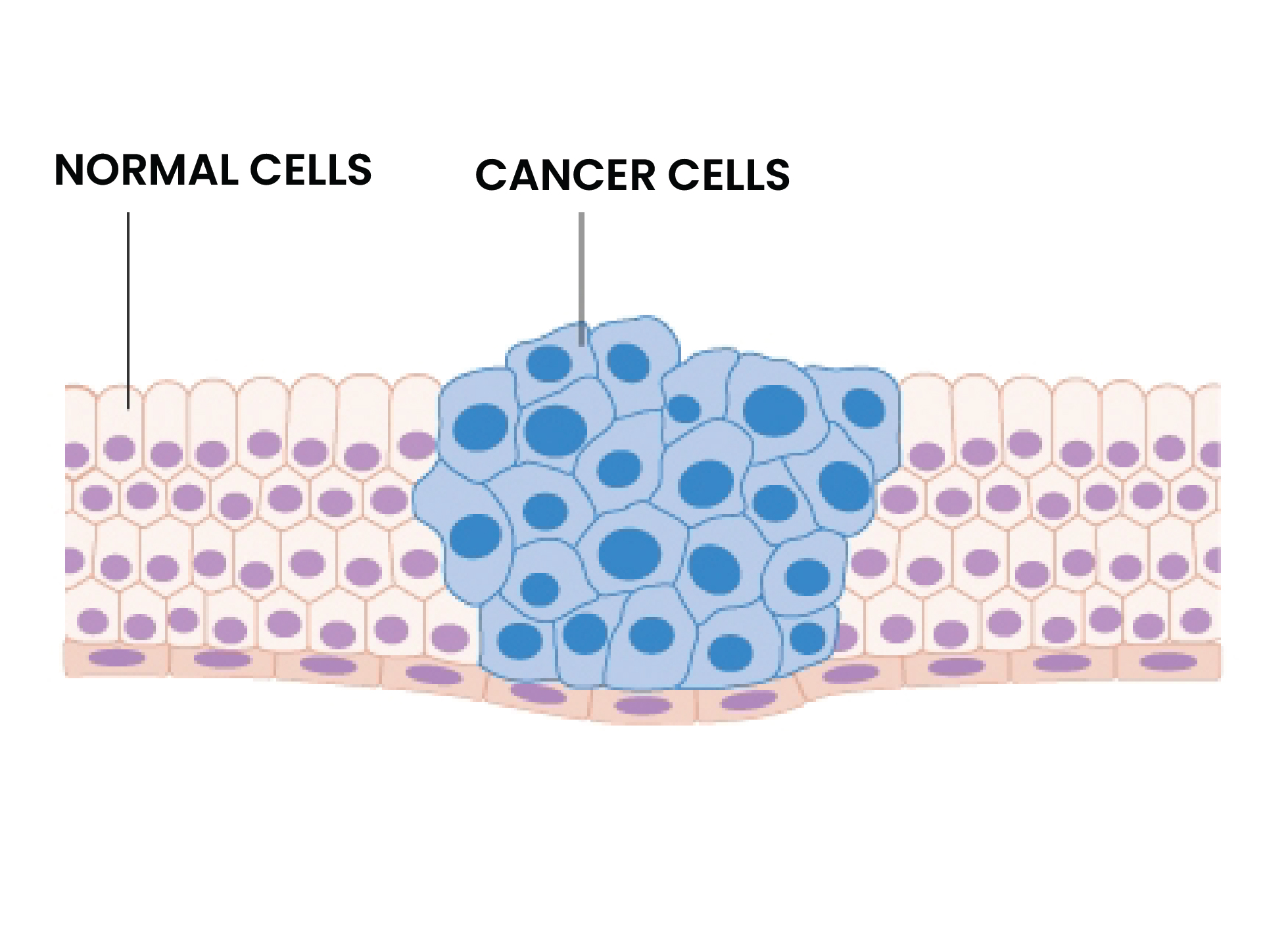
Cancer is not one disease—it’s a group of over 100 different conditions where abnormal cells in the body grow uncontrollably.
These cells can spread to other parts of the body through the bloodstream or lymphatic system, a process called metastasis.
Unlike normal cells that grow, divide, and die in an orderly fashion, cancer cells ignore the body’s signals to stop growing.
They can form tumors (lumps) or, in blood cancers like leukemia, circulate throughout the body. The good news? Many cancers are treatable, especially when caught early.
How Cancer Develops
Cancer develops through a complex process involving genetic mutations.
These mutations can be inherited (about 5-10% of cancers) or caused by environmental factors like smoking, certain infections, radiation, or chemical exposures. However, lifestyle choices play a major role—something you can control.
Common Cancers Affecting Kenyans
Kenya’s cancer profile reflects both infectious and lifestyle-related causes:
1. Cervical Cancer
-
The leading cancer among Kenyan women, caused primarily by Human Papillomavirus (HPV)
- Nearly 5,000 new cases annually, with most affecting women aged 15-44
- Prevention: HPV vaccination (available at Pharmily Care clinics), regular Pap smears
2. Breast Cancer
-
The second most common cancer in Kenyan women
- Early detection through monthly self-exams and mammograms dramatically improves outcomes
- Warning signs: New lumps, nipple discharge, skin dimpling
3. Prostate Cancer
- The leading cancer among Kenyan men, especially those over 50
- Regular screening (PSA blood test) is crucial for early detection
- Symptoms: Difficulty urinating, frequent nighttime urination, blood in urine
4. Kaposi’s Sarcoma
-
Common in Kenya due to HIV co-infection
- Appears as dark lesions on skin or mucous membranes
- HIV management is key to prevention
5. Esophageal Cancer
- Linked to tobacco use, alcohol, and hot beverage consumption
- Higher rates in certain Kenyan regions
Early Warning Signs You Should Never Ignore
Early detection gives you the best fighting chance. Watch for these red flags:
- Unexplained weight loss of 5kg or more without trying
- Persistent fatigue that doesn’t improve with rest
- New lumps anywhere in the body that don’t go away
- Changes in moles—size, color, shape, or bleeding
- Unusual bleeding—blood in stool/urine, abnormal vaginal bleeding
- Chronic cough lasting more than 3 weeks, especially with blood
- Difficulty swallowing or persistent indigestion
- Non-healing sores or ulcers on skin or mouth
If you notice any of these symptoms, consult a healthcare provider immediately.
Prevention: Your First Line of Defense
1. Get Vaccinated
-
HPV Vaccine: Protects against cervical and throat cancers. Available for girls and boys aged 9-14, but beneficial up to age 26
- Hepatitis B Vaccine: Prevents liver cancer. Part of Kenya’s routine childhood immunization
2. Screen Regularly
Screening catches cancer before symptoms appear:
- Women: Pap smear every 3 years (21-65), mammograms yearly after 40
- Men: PSA test discussion with doctor at age 50 (earlier if family history)
- Everyone: Annual physical exams, colorectal screening after 45
3. Adopt Cancer-Fighting Habits
-
Quit tobacco in all forms—this is the single most important step
- Limit alcohol to no more than one drink daily for women, two for men
- Eat a rainbow: Fruits and vegetables contain protective antioxidants
- Stay active: 30 minutes of walking most days reduces risk
- Protect your skin: Use sunscreen SPF 30+, especially in sunny regions
- Avoid processed meats and excessive red meat consumption
4. Know Your Family History
If close relatives had cancer, especially at young ages, you may need earlier screening. Discuss this with your doctor during a clinic visit.
Cancer Treatment Basics
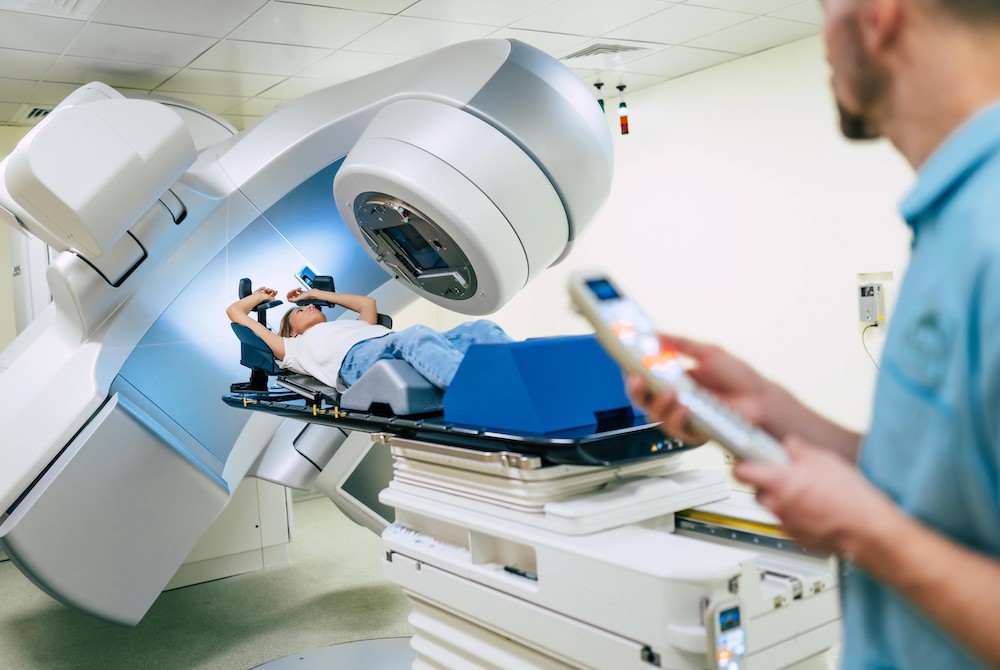
Treatment depends on cancer type, stage, and your overall health. Common approaches include:
Surgery: Removing the tumor and surrounding tissue. Often the first step for solid tumors.
Chemotherapy: Powerful medications that kill cancer cells throughout the body. Usually given in cycles to allow recovery time.
Radiation Therapy: High-energy rays targeting specific tumor sites. May cause skin irritation—special skincare products can help.
Immunotherapy: Boosting your immune system to fight cancer. Increasingly available in Kenya through specialized centers.
Hormone Therapy: For cancers like breast and prostate that are hormone-driven.
Targeted Therapy: Drugs that specifically target cancer cell mutations.
The Importance of Medication Adherence
Missing doses or stopping treatment early can allow cancer to return stronger. At Pharmily, we understand that chemotherapy schedules are grueling.
That’s why we offer monthly refill programs that ensure your medications arrive at your doorstep in Nairobi, Mombasa, or anywhere in Kenya—right on schedule.
Financial Support: Don’t Let Cost Stop Treatment
Many Kenyans worry about cancer treatment costs. Pharmily helps through:
- Transparent pricing for all prescription medications
- Monthly refill discounts for chronic cancer drugs
- Flexible payment: M-pesa, card, or cash on delivery
- Free delivery in Nairobi for orders above Ksh 2,999
- Generic options where available—just as effective, more affordable
The Bottom Line
Cancer is a formidable opponent, but knowledge and access to proper care make all the difference.
Early detection saves lives—schedule your screenings. If you’re undergoing treatment, medication adherence and side effect management are crucial for success.
You don’t have to navigate this journey alone. Modern pharmacy services bring your medications to you, connect you with doctors remotely, and provide the support products you need to maintain dignity and quality of life.
Prevention is always better than cure. But if cancer touches your life, remember: Pharmily delivers hope along with your prescriptions.
Need cancer medications or supportive care products?
Pharmily is here to help:
- Phone: +254726669898
- Location: Muthaiga Business Center, Nairobi
- License No. P2024d02679
- Free delivery in Nairobi for orders above Ksh 2,999
- 24/7 online prescription refills
Submit your prescription online and receive genuine cancer medications at your doorstep within hours.
FAQs
1. Can cancer be completely cured?
Yes, many cancers are curable when detected early. Cancers like cervical, breast, and prostate cancer have excellent cure rates with early treatment. Even advanced cancers can often be managed as chronic conditions for years. The key is starting treatment promptly and adhering to your medication schedule.
2. What are the most common early warning signs of cancer?
Look for unexplained weight loss, persistent fatigue, new lumps, changes in moles, unusual bleeding, chronic cough, difficulty swallowing, and sores that don’t heal. However, many early cancers have no symptoms—that’s why regular screening is essential. If something feels wrong, trust your instincts and get checked.
3. How often should I get screened for cancer in Kenya?
Women should have Pap smears every 3 years from age 21 and mammograms yearly after 40. Men should discuss PSA testing at age 50. Everyone should have annual check-ups and colorectal screening after 45. If you have family history, start 10 years before your relative’s diagnosis age. Pharmily can help you find screening centers near you.
4. Are generic cancer drugs as effective as brand names?
Yes. Generic drugs contain the same active ingredients, strength, dosage form, and route of administration as brand names. They must meet the same strict FDA/Pharmacy & Poisons Board standards. The main difference is cost—generics save you money without compromising effectiveness. Pharmily stocks both options, clearly labeled.
5. How can I manage chemotherapy side effects at home?
Stay hydrated, eat small frequent meals, use prescribed anti-nausea medications, apply gentle skincare products for radiation burns, and maintain good mouth hygiene.