Cancer Nutrition in Kenya: Guide to Eating Well During Treatment
by Maroa Noa · 27 Jan 2026
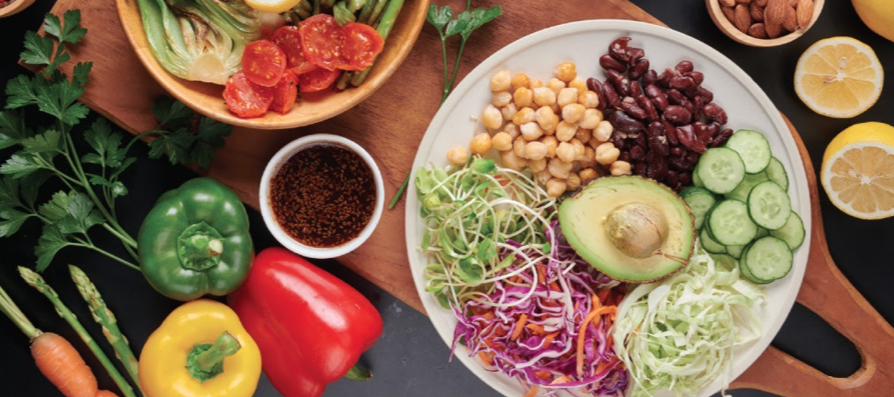
When Esther, a mother of three from Nakuru, started chemotherapy for breast cancer, she was terrified—not just of the disease, but of the weight she was losing daily. Her sister, a nurse, told her: "Your plate is now your medicine."
That simple shift in perspective changed everything. In Kenya, where cancer treatment often means traveling to Nairobi and juggling hospital appointments, proper nutrition becomes both your fuel and your shield.
What you eat during cancer treatment can mean the difference between strength and exhaustion, between fighting infection and landing back in hospital.
Yet most patients receive their diagnosis and treatment plan with little guidance on what to put on their plate.
Why Nutrition Matters During Cancer Treatment
Cancer and its treatments—chemotherapy, radiation, surgery—place enormous stress on your body. Good nutrition helps:
- Maintain strength to withstand treatment side effects
- Preserve muscle mass when your body is breaking down tissue
- Support immune function to fight infections
- Repair damaged tissue faster after radiation or surgery
- Reduce treatment delays caused by low blood counts or poor health
Research from Kenyatta National Hospital shows that malnourished cancer patients have 30% higher complication rates.
The good news? Small, consistent dietary changes make a powerful difference.
Cancer Nutrition Myths vs. Facts
Myth: "Sugar feeds cancer, so I must cut out all sugar." Fact: While cancer cells use glucose, so does every healthy cell in your body. Cutting sugar completely starves your healthy cells first, leaving you weak. The key is avoiding excess added sugar while eating balanced meals.
Myth: "I should only eat organic foods." Fact: Organic produce is excellent but expensive. Eating conventional fruits and vegetables is far better than skipping them. Wash thoroughly with running water and a splash of vinegar.
Myth: "Supplements can replace food during treatment." Fact: No supplement matches the complex nutrition in whole foods. Some high-dose supplements can even interfere with chemotherapy. Always consult your oncologist before taking anything beyond a standard multivitamin.
Managing Treatment Side Effects Through Food
Nausea and Vomiting
What helps:
- Small, frequent meals every 2-3 hours
- Cold foods (less odor): chilled uji, yogurt, fruit smoothies
- Ginger—add fresh ginger to your tea or chew candied ginger
- Dry crackers before getting out of bed
- Avoid fatty, spicy, or heavily seasoned foods
Pharmily recommends: Ginger tea, electrolyte solutions, and anti-nausea supplements (after doctor approval).
Loss of Appetite
What helps:
- High-calorie, small portions: groundnut paste on toast, avocado with everything
- Drink calories: fortified milk with honey, fruit smoothies with protein powder
- Eat when appetite is best—often morning for many patients
- Add extra oil/sauce to make food easier to swallow
Taste Changes ("Metallic Mouth")
Common during chemo. What helps:
- Use plastic utensils instead of metal
- Marinate meats in pineapple or lemon juice
- Try tart foods if your mouth isn't sore
- If everything tastes bland: add herbs, lemon, or mild spices
- If foods taste too strong: eat bland foods like rice, bananas, potatoes
Mouth Sores
What helps:
- Soft, moist foods: mashed potatoes, scrambled eggs, yogurt
- Avoid acidic foods (citrus, tomatoes) and crunchy foods
- Cool foods soothe: ice cream, cold milk, smoothies
- Rinse mouth with baking soda solution (½ teaspoon in 1 cup water) after meals
Diarrhea
What helps:
- Low-fiber "BRAT" foods: Bananas, Rice, Applesauce, Toast
- Replace fluids: oral rehydration salts, coconut water, clear soups
- Avoid greasy foods, raw vegetables, and maize meal (ugali) until resolved
Constipation
What helps:
- Gradually increase fiber: whole grain bread, cooked vegetables, fruits
- Drink warm fluids in the morning
- Stewed prunes or papaya
- Gentle walking if able
Building Your Cancer-Fighting Plate: Kenyan Edition
At each meal, aim for this balance:
½ Plate: Colorful Vegetables and Fruits
- Sukuma wiki, spinach, managu (traditional greens)
- Pumpkin leaves (locally available and nutrient-dense)
- Carrots, tomatoes, onions for cooking
- Seasonal fruits: mangoes, papaya, oranges, bananas
- Why: Antioxidants fight cell damage; vitamins support immunity
¼ Plate: Protein-Rich Foods
- Fish from Lake Victoria (omega-3s reduce inflammation)
- Eggs (easy to digest, complete protein)
- Beans, lentils, green grams (affordable plant protein)
- Chicken (boiled or stewed, not fried)
- Milk, yogurt, fermented milk (mala)
- Why: Protein repairs tissue and maintains muscle
¼ Plate: Energy Foods
- Brown rice, whole maize meal, millet, sorghum
- Sweet potatoes, arrow roots
- Why: Complex carbs provide sustained energy
Add Healthy Fats:
- Avocado (Kenyan avocados are among the world’s best)
- Nuts: groundnuts, cashew nuts (if no mouth sores)
- Cooking oil in moderation
Hydration Strategies for Kenyan Climate
Dehydration is dangerous during treatment, especially in hot regions like Mombasa and Garissa.
Aim for 8-12 glasses daily:
- Water infused with lemon or cucumber
- Traditional fluids: uji (fermented is probiotic-rich), mursik, fresh fruit juices
- Broths from boiled meat or chicken for extra nutrients
- Coconut water for electrolytes (widely available at the Coast)
Avoid: Sugary sodas, excessive strong tea/coffee (can worsen dehydration)
Foods to Limit or Avoid During Treatment
- Raw or undercooked meats/fish (risk of infection)
- Unpasteurized milk or juices
- Street food (food safety concerns)
- Highly processed meats (sausages, smokies)
- Alcohol (interferes with treatment, dehydrates)
- Grapefruit and Seville oranges (can interfere with some chemo drugs)
When to Use Supplements (Safely)
When food alone isn't enough:
- Protein powders in smoothies if you can't eat solid food
- Multivitamins without megadoses (choose one with 100% RDA, not 1000%)
- Vitamin D (many Kenyans are deficient despite sunshine)
- Probiotics after antibiotic treatment
Always get oncologist approval first. Some supplements can reduce treatment effectiveness. Pharmily stocks oncology-approved supplements—our pharmacists can help you choose safe options.
Shopping Tips for Kenyan Families
- Buy seasonal: Mangoes in season are affordable and vitamin-rich
- Visit local markets: Fresh greens are cheaper and fresher than supermarkets
- Batch cook: Prepare soups and stews when energy is good; freeze portions
- Grow your own: Sukuma wiki, spinach, and herbs grow easily in small spaces
- Pharmily delivers: Order protein supplements, vitamins, and specialty foods directly to your home in Nairobi, Mombasa, Nakuru, or Kisumu
The Bottom Line
Your body is fighting a war. Every meal is an opportunity to supply your troops with the ammunition they need.
Forget perfection—focus on consistency. On days when eating is impossible, a simple cup of uji is a victory. On better days, build a colorful, balanced plate.
Nutrition won't cure cancer alone, but it will make your treatment more effective, reduce complications, and help you feel stronger throughout the journey.
And in Kenya, where healthcare access demands so much from patients, having your nutrition support delivered to your door removes one more burden.
You are what you eat—especially during cancer treatment. Make every bite count.
Need oncology nutrition supplements or have questions about your diet during treatment?
Pharmily is here to support your journey:
- Phone: +254726669898
- Location: Muthaiga Business Center, Nairobi
- License No. P2024d02679
- Free delivery in Nairobi for orders above Ksh 2,999
- Nationwide delivery to Mombasa, Kisumu, Nakuru, Eldoret, and beyond
Order protein supplements, vitamins, and nutrition shakes and receive them at your doorstep within 4-24 hours. Our licensed pharmacists are available for consultations to ensure you choose safe, effective products during your cancer treatment.
FAQs
1. Should I change my diet immediately after a cancer diagnosis?
Consult your oncologist first. Drastic changes can stress your body. Focus on eating a balanced, adequate diet during treatment. More aggressive dietary changes (like plant-based or ketogenic) should wait until after treatment and only under professional guidance.
2. I'm losing weight rapidly and can't eat. What should I do?
This is called cancer cachexia and needs immediate attention. Ask your doctor about prescription appetite stimulants. Meanwhile, focus on high-calorie liquids—smoothies with protein powder, fortified milk, and oral nutrition supplements. Pharmily can deliver these directly to you with same-day delivery in Nairobi.
3. Are there any Kenyan traditional foods that help during cancer treatment?
Yes! Many traditional foods are excellent: fermented porridge (uji) for probiotics; mursik for protein; indigenous vegetables like managu and terere for vitamins; and baobab fruit powder (available at Pharmily) for vitamin C and antioxidants. Just ensure foods are well-cooked and hygienically prepared.
4. How do I know if I need nutrition supplements?
If you're losing more than 2kg in a week, eating less than half your normal intake for over a week, or feel too weak to prepare meals, you likely need supplements.
5. Is it safe to eat fruits and vegetables that aren't organic?
Absolutely. The benefits of eating conventional produce far outweigh any risks. Wash thoroughly in running water with a splash of vinegar. Peel when possible. Organic is a bonus if affordable, not a requirement for health.