Cancer Pain Management in Kenya
by Maroa Noa · 28 Jan 2026
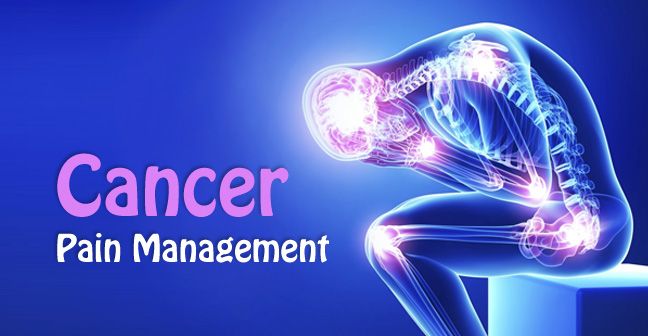
There's a silence that surrounds cancer pain in Kenya. Patients suffer quietly, fearing that speaking up means they're weak.
Families watch helplessly, believing pain is inevitable. But here's the truth: No one should live with untreated cancer pain.
Modern medicine can control pain in 90% of cases, yet thousands of Kenyans endure unnecessary suffering due to stigma, misinformation, and limited access.
At Pharmily, we've seen the transformation when pain is properly managed. A grandmother in Mombasa who can play with her grandchildren again.
A young father in Kisumu who sleeps through the night for the first time in months. Pain relief isn't just about comfort it's about dignity, quality of life, and the strength to keep fighting.
Understanding Cancer Pain: It's Not Just Physical
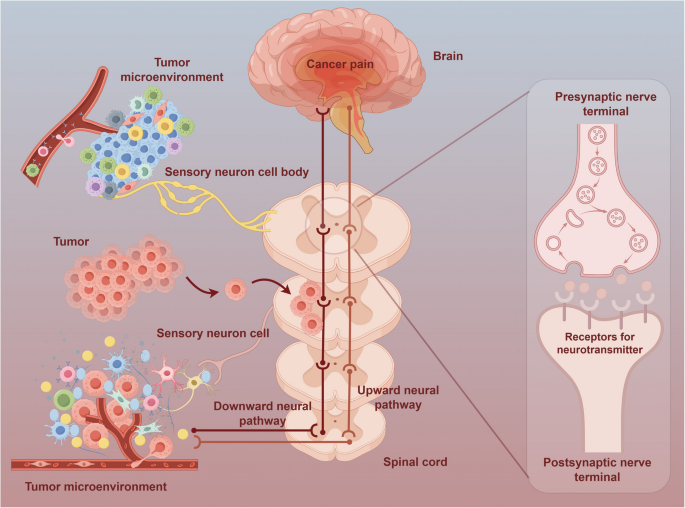
Cancer pain is complex. It can be:
- Acute: Sharp, sudden pain from a procedure or tumor growth
- Chronic: Constant pain that persists for months
- Breakthrough: Sudden spikes of pain despite regular medication
- Neuropathic: Burning or tingling from nerve damage
- Bone pain: Deep ache from cancer spreading to bones (common in prostate and breast cancer)
Pain is personal. The same cancer causes different pain levels in different people. Your pain is valid, and you deserve relief.
The Stigma Around Pain Medication in Kenya
Many Kenyans fear "strong painkillers" (opiates like morphine) believing they will:
- Become addicted immediately
- Die sooner if pain is "masked"
- Be judged by family and community
The real danger is untreated pain, which weakens the immune system, impairs sleep, and robs patients of precious time with loved ones.
Beyond Pills: Complete Pain Management
Medication is the foundation, but other strategies multiplicatively reduce pain:
1. Proper Positioning
-
Bone pain: Support with pillows, avoid pressure on painful areas
- Back pain: Sleep with pillow between knees
- Elevate swollen limbs to reduce discomfort
2. Simple Physical Therapies
-
Gentle massage: Use aromatherapy oils (lavender, eucalyptus) to relax muscles
- Warm compresses: For muscle pain (not on areas with reduced sensation)
- Cold packs: For acute inflammation (10 minutes only)
- Distraction: Music, movies, conversation—pain feels worse when focused on it
3. Mental Techniques
- Deep breathing: Inhale 4 counts, hold 4, exhale 4 (reduces pain perception)
- Guided imagery: Imagine a peaceful place (Pharmily offers free meditation app trials)
- Prayer and spiritual support: Profoundly effective for many Kenyan patients
4. Treating Side Effects
Opioids cause constipation. Prevent it:
- Drink 8-10 glasses of water daily
- Eat high-fiber foods: prunes, papaya, whole grains
- Use prescribed laxatives from day one—don't wait
Pharmily stocks: Lactulose syrup, senna tablets, and psyllium husk fiber supplements.
Breaking Through Breakthrough Pain
Breakthrough pain is sudden, intense pain that "breaks through" regular medication. It's common, predictable, and treatable.
Common triggers:
- Movement (getting out of bed)
- Time for next dose (medication wearing off)
- Certain positions
Solutions:
- Rescue medication: Fast-acting morphine or tramadol for these moments
- Time doses strategically: Take medication 30 minutes before known triggers (e.g., before physiotherapy)
- Keep a pain diary: Note when breakthrough pain occurs—patterns help with prevention
Home-Based Pain Management: The Kenyan Reality

Most cancer care in Kenya happens at home. Here's how to do it safely:
Create a Pain Management Station
Designate a specific place in your home with:
- All medications organized and labeled
- Water for swallowing pills
- Pill cutter (if needed)
- Pain diary and pen
- Phone with doctor's number saved
Safe Storage
- Lock away opioids: Prevent misuse by visitors or children
- Store away from heat: Kenyan sun degrades medication
- Keep in original packaging: Avoids mix-ups
Disposal
Don't flush unused opioids. Return to Pharmily or hospital pharmacy for safe disposal. We're licensed to handle controlled substances.
The Bottom Line
Cancer pain is treatable. Suffering is optional. In Kenya, where family unity defines us, watching a loved one in pain affects everyone. Proper pain management restores dignity, improves quality of life, and gives patients the strength to fight.
If you or your loved one is in pain, act today:
- Rate the pain (0-10)
- Call your doctor or Pharmily's 24-hour line
- Start the pain ladder appropriately
- Monitor and adjust
Pain is not a sign of strong faith or bravery. It's a medical symptom that deserves treatment. You wouldn't ignore a bleeding wound—don't ignore pain.
Stop suffering in silence. Pain relief is your right.
Pharmily provides comprehensive pain management support:
- Phone: +254726669898 (24-hour pain management hotline)
- Location: Muthaiga Business Center, Nairobi
- License No. P2024d02679
- Free delivery in Nairobi for orders above Ksh 2,999
Submit your prescription or schedule a pain consultation today.
You don't have to be brave. You just have to ask for help.
FAQs
1. Will I become addicted to morphine if I use it for cancer pain?
No. Studies show addiction rates below 1% when morphine is used for legitimate cancer pain under medical supervision. Your body uses the medication for pain relief, not euphoria. Fear of addiction should never prevent you from using this life-changing medication.
2. My mother refuses to take morphine because she's afraid. How can I convince her?
Involve her doctor to explain that untreated pain weakens the body. Share stories of other patients whose quality of life improved dramatically. Start with a low dose to show her she can still think clearly. Many patients' fears disappears once they experience relief.
3. Can I drive or work while taking pain medication?
It depends on the medication and dose. Tramadol and morphine can cause drowsiness. Never drive until you know how you react. Many patients on stable doses can work normally. Discuss with your doctor about timing doses around your work schedule.
4. What if the medication stops working after a while?
This is called tolerance and is normal. Your doctor can increase the dose, add another medication, or switch to a different opioid. Pain management is dynamic—regular follow-ups ensure continued relief. Pharmily's monthly check-ins help track effectiveness.