Cervical cancer prevention in Kenya
by Maroa Noa · 27 Jan 2026
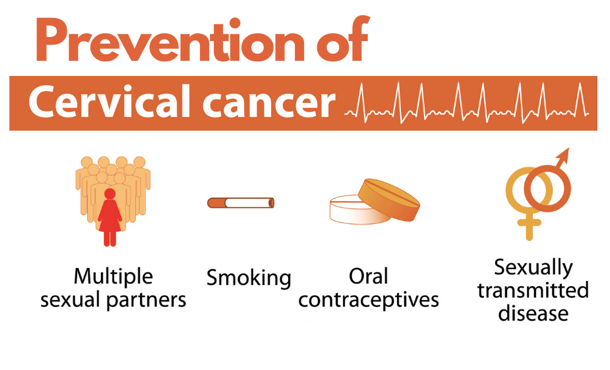
In Kenya, cervical cancer kills over 3,000 women annually, yet it's one of the most preventable cancers.
The combination of HPV vaccination, regular screening, and early treatment can eliminate this disease. The problem? Many women don't know their options, or they fear the screening process.
This guide demystifies cervical cancer prevention and shows you exactly how to protect yourself.
Why Cervical Cancer is a Kenyan Emergency
Cervical cancer accounts for 22% of all female cancers in Kenya, with over 5,000 new cases each year. The tragedy? Nearly all cases are caused by the Human Papillomavirus (HPV), a preventable infection.
The contrast is stark: while cervical cancer rates have plummeted in developed countries, Kenyan women still die because of late detection and limited access to screening.
The difference between life and death is often a simple test. Yet cultural stigma, fear of pain, and misinformation keep women away from clinics. Let's change that narrative.
Understanding HPV: The Root Cause
HPV is a common sexually transmitted virus. Over 80% of sexually active people will contract HPV at some point, but most infections clear naturally.
The problem occurs when high-risk HPV types (16 and 18) persist, eventually causing cervical cell changes that lead to cancer.
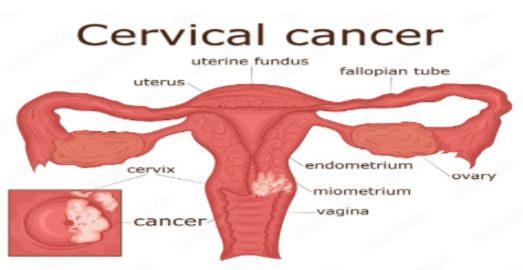
Key Facts:
-
HPV infection is not a sign of promiscuity—it can be transmitted years after a single partner
- Condoms reduce but don't eliminate HPV risk
- Most HPV infections show no symptoms
- It can take 10-20 years for HPV to develop into cancer, giving ample time for detection and intervention
The HPV Vaccine: A Game-Changer for Kenyan Girls and women
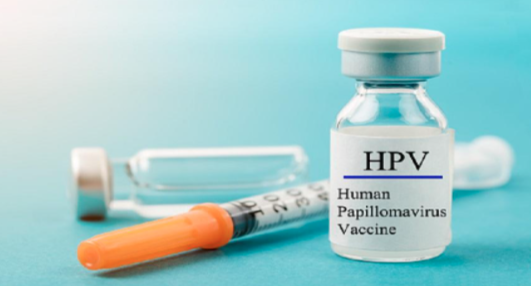
The HPV vaccine is over 90% effective at preventing cervical cancer. Kenya launched its national HPV vaccination program in 2019, targeting girls aged 10-14. However, many girls miss this critical protection.
Who Should Get Vaccinated?
-
Girls aged 9-14: Two doses, six months apart (free at government facilities)
- Women up to age 26: Can still benefit—three doses required
Vaccine Safety and Availability
The vaccine has been administered to millions globally with an excellent safety record. Side effects are mild—sore arm, slight fever. It's far safer than risking cervical cancer.
At Pharmily we also stock Gardasil and Cervarix vaccines.
Cervical Cancer Screening: Your Three Options
Screening detects precancerous changes before they become cancer. Kenyan women have three proven options:
1. Visual Inspection with Acetic Acid (VIA)
What it is: A healthcare provider applies vinegar to the cervix and looks for abnormal areas.
- Cost: Free at many government facilities, Ksh 500-800 at private clinics
- Advantage: Immediate results, can treat on the spot with cryotherapy
- Where: County hospitals, Marie Stopes clinics, Pharmily partner facilities
- Frequency: Every 3-5 years if negative
2. Pap Smear (Papanicolaou Test)
What it is: Collecting cervical cells to examine under a microscope.
- Cost: Ksh 1,500-3,000
- Advantage: Highly accurate, detects early changes
- Where: Most hospitals with labs, including Kenyatta National Hospital, Aga Khan
- Frequency: Every 3 years for women 21-65
3. HPV DNA Test
What it is: Testing for high-risk HPV presence.
- Cost: Ksh 3,000-5,000 (most expensive but most accurate)
- Advantage: Detects the virus before any cell changes occur
- Where: Premier hospitals, specialized labs
- Frequency: Every 5 years if negative
What to Expect During Screening
Myth: "It's painful and embarrassing." Reality: The procedure takes 5 minutes, causes mild discomfort like period cramps, and could save your life.
The process:
- Lie on an exam table with feet in stirrups
- Doctor inserts a speculum (feels like pressure, not pain)
- Quick swab or visual inspection
- Results within minutes (VIA) or 1-2 weeks (Pap)
- If abnormal: Colposcopy (closer look) or immediate treatment
Pharmily tip: Schedule screening during the middle of your cycle (not during menstruation) for best results.
Treatment of Precancerous Changes: Stopping Cancer Before It Starts
If screening finds abnormal cells, don't panic—this is success! Treatment is quick, outpatient, and highly effective.
Cryotherapy
-
Freezes abnormal cells using liquid nitrogen
- Takes 15 minutes, mild cramping afterward
- Can return to normal activities next day
- Success rate: 85-90%
Loop Electrosurgical Excision Procedure (LEEP)
-
Uses a small electrical loop to remove abnormal tissue
- Slightly more invasive, done under local anesthesia
- For moderate to severe cell changes
- Success rate: 90-95%
Both procedures are available at Kenyatta National Hospital, Moi Teaching and Referral Hospital (Eldoret), and selected private facilities. Pharmily can coordinate referrals and post-procedure pain management.
Cervical Cancer Stages and Treatment (If Not Caught Early)
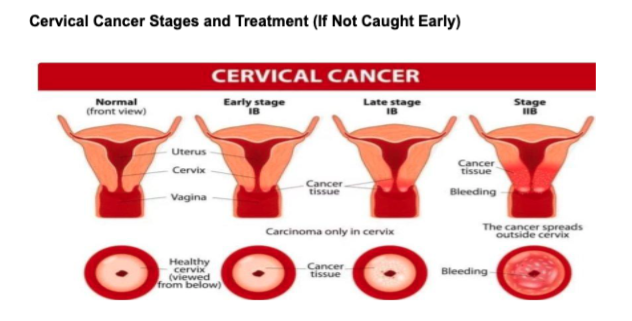
If cancer develops, treatment depends on stage:
Stage I (Confined to cervix): Surgery (hysterectomy) or radiation
Stage II (Spread to upper vagina): Combined radiation and chemotherapy
Stage III (Spread to lower vagina or pelvis): Intensive chemoradiation
Stage IV (Spread to distant organs): Chemotherapy, targeted therapy, palliative care
Cost reality: Cancer treatment is expensive. SHIF covers some costs, but many families face financial catastrophe. Early screening costs Ksh 500; late-stage treatment costs Ksh 500,000+. The math is simple.
Prevention Beyond Screening: Your Daily Defense
While vaccination and screening are primary, daily habits help:
- Quit smoking: Smoking doubles cervical cancer risk and reduces treatment effectiveness
- Boost immunity: Eat plenty of fruits, vegetables, and traditional greens (sukuma, managu)
- Use condoms: Reduce HPV transmission risk
- Limit sexual partners: Fewer partners lower HPV exposure
- Support your daughters: Ensure they get vaccinated and understand why
Protect yourself or your daughter today.
Pharmily is your cervical health partner:
- Phone: +254726669898
- Email: [email protected]
- Location: Muthaiga Business Center, Nairobi
- License No. P2024d02679
- Free delivery in Nairobi for orders above Ksh 2,999
Every woman deserves protection. Every life matters.
FAQs
1. Is the HPV vaccine safe for my daughter? Will it encourage early sexual activity?
The vaccine is extremely safe—over 100 million doses given globally. Studies show no link to earlier sexual activity. Think of it like a measles vaccine; we give it before exposure. The benefit—preventing cancer—vastly outweighs any hypothetical concern.
2. I'm 35 and have never been screened. Is it too late to start?
It's never too late! Start immediately with VIA or Pap smear. Cancer risk increases with age, but so does the chance of finding precancerous changes early. Your next 30 years can be healthy with proper screening.
3. Will my husband think I have been unfaithful if I test positive for HPV?
HPV can remain dormant for years. Explain that HPV is extremely common and not a sign of infidelity. Most sexually active people have it. Couples should focus on future prevention (condoms, regular screening) rather than blame. Consider couple's counseling if needed—Pharmily can refer you.
4. How much does cervical cancer treatment cost in Kenya if I don't get screened?
Late-stage treatment can cost Ksh 500,000 to 2 million including surgery, chemotherapy, and radiation. SHIF covers portions, but you'll face significant out-of-pocket expenses. Screening costs Ksh 500-3,000. Prevention is literally 100 times cheaper than cure.
5. Can I get screened while pregnant?
Routine screening is postponed until 6-12 weeks postpartum. However, if you have symptoms like bleeding, discuss with your gynecologist. HPV vaccination should be given before pregnancy—it's not recommended during pregnancy.