Childhood Cancer Warning Signs in Kenya
by Maroa Noa · 28 Jan 2026
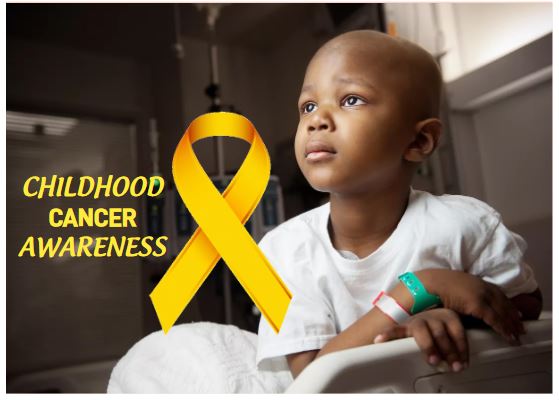
When three-year-old Amina from Mombasa developed a persistent fever and swollen abdomen, her parents thought it was just malaria.
After three clinic visits and no improvement, a doctor's ultrasound revealed a tumor in her kidney. "We'd never heard of children getting cancer," her father recalls. "We thought cancer was an old person's disease."
In Kenya, over 2,700 children are diagnosed with cancer each year. Unlike adult cancers, childhood cancers are highly treatable—with early detection, over 80% of children can be cured.
But in Kenya, most are diagnosed late, and many families never seek treatment because they don't recognize the warning signs.
Every parent needs to know these signs. Early detection saves children's lives.
Why Childhood Cancer is Different
Children don't get the same cancers as adults. While adults suffer from lung, breast, and prostate cancers linked to lifestyle, children's cancers arise from genetic mutations during development. They grow faster but respond better to treatment.
Good news: Children's bodies are resilient. Chemotherapy works more effectively in children than adults. A child who receives prompt, complete treatment has an excellent chance of growing up cancer-free.
Bad news: Many Kenyan parents don't know the warning signs, and childhood cancer isn't screened for like adult cancers. You are your child's first and best screening tool.
The 10 Warning Signs Every Parent Must Know
These are just basic signs; their presence does not automatically translate to cancer.
1. Unexplained Weight Loss
If a child or teen loses weight without changes in diet, illness, or activity, it should raise concern. Sudden weight loss can sometimes signal that the body is using energy differently due to an underlying condition. While many causes are harmless, persistent unexplained weight loss needs medical review.
2. Persistent Fatigue
Cancer-related fatigue does not improve with rest or sleep. If your child is constantly tired, weak, or unable to perform normal daily activities for weeks, it may indicate something more than school stress or growth changes. Ongoing fatigue should always be discussed with a healthcare provider.
3. Frequent or Unexplained Fever
Repeated fevers with no clear infection may be an early sign of certain cancers, especially blood-related ones. These fevers often come and go and may be accompanied by night sweats. Parents should seek medical advice if fevers persist without explanation.
4. Pain That Doesn’t Go Away
Persistent pain in bones, joints, head, or abdomen that does not improve with treatment should not be ignored. Children may struggle to explain pain clearly, so changes in behavior or movement can be clues. Long-lasting pain deserves proper medical investigation.
5. Unusual Lumps or Swelling
A lump that grows, feels hard, or does not go away after a few weeks should be checked. These lumps may appear in the neck, armpits, abdomen, or groin. Not all lumps are cancer, but painless and persistent swelling needs evaluation.
6. Easy Bruising or Bleeding
Frequent nosebleeds, bleeding gums, or bruises that appear without injury can be warning signs. These symptoms may indicate problems with blood cells. If bruising or bleeding seems excessive or unusual, medical attention is important.
7. Changes in Bowel or Bladder Habits
Ongoing constipation, diarrhea, blood in stool or urine, or difficulty urinating should not be ignored. These changes may reflect digestive or urinary system issues that need assessment. Persistent symptoms are especially important to investigate early.
8. Persistent Cough or Difficulty Breathing
A cough that lasts several weeks, worsens, or comes with chest pain should be evaluated. Breathing difficulties without asthma or infection can signal underlying issues. Parents should act if respiratory symptoms don’t improve with standard treatment.
9. Changes in Skin or Moles
New moles, changes in size or color of existing moles, or sores that do not heal are important signs. While skin cancer is less common in children, early changes still matter. Any unusual skin change should be checked by a clinician.
10. Frequent Infections
If a child keeps getting infections that are severe or slow to heal, it may indicate immune system problems. Some cancers weaken the body’s ability to fight infections. Repeated illness over a short time frame deserves further testing.
What to Do If You Suspect Cancer: The 48-Hour Rule
If your child shows any warning signs, act within 48 hours. Cancer grows fast in children—waiting weeks can change outcomes dramatically.
Step 1: See a Doctor Immediately
-
Go to your nearest hospital with quality and affordable healthcare.
Treatment: What to Expect
Childhood cancer treatment is intensive but time-limited (usually 6 months to 2 years).
Common Treatments:
- Chemotherapy, Surgery, Radiation, Bone Marrow Transplant
Side Effects in Children:
-
Hair loss (temporary), Nausea and vomiting (manageable with medication), Low blood counts (infection risk) and Fatigue
Pharmily provides: Anti-nausea medications, immune-boosting supplements (doctor-approved), and nutritional support formulas for children.
Supporting Your Child Through Treatment

Nutrition for Healing
Children need extra calories and protein during treatment.
High-calorie foods:
- Avocado (easily available in Kenya)
- Peanut butter (add to everything)
- Full-fat milk and yogurt
- Eggs (soft-boiled if appetite is low)
- Smoothies: milk, banana, peanut butter, protein powder
When eating is hard:
- Offer small portions every 2 hours
- Use colorful, appealing plates
- Let them eat favorite foods even if not "healthy"
- Try smoothies through a straw if mouth sores develop
Pharmily stocks: Pediatric protein shakes, multivitamin gummies, and appetite stimulants (with prescription).
Preventing Infections: Critical During Chemo
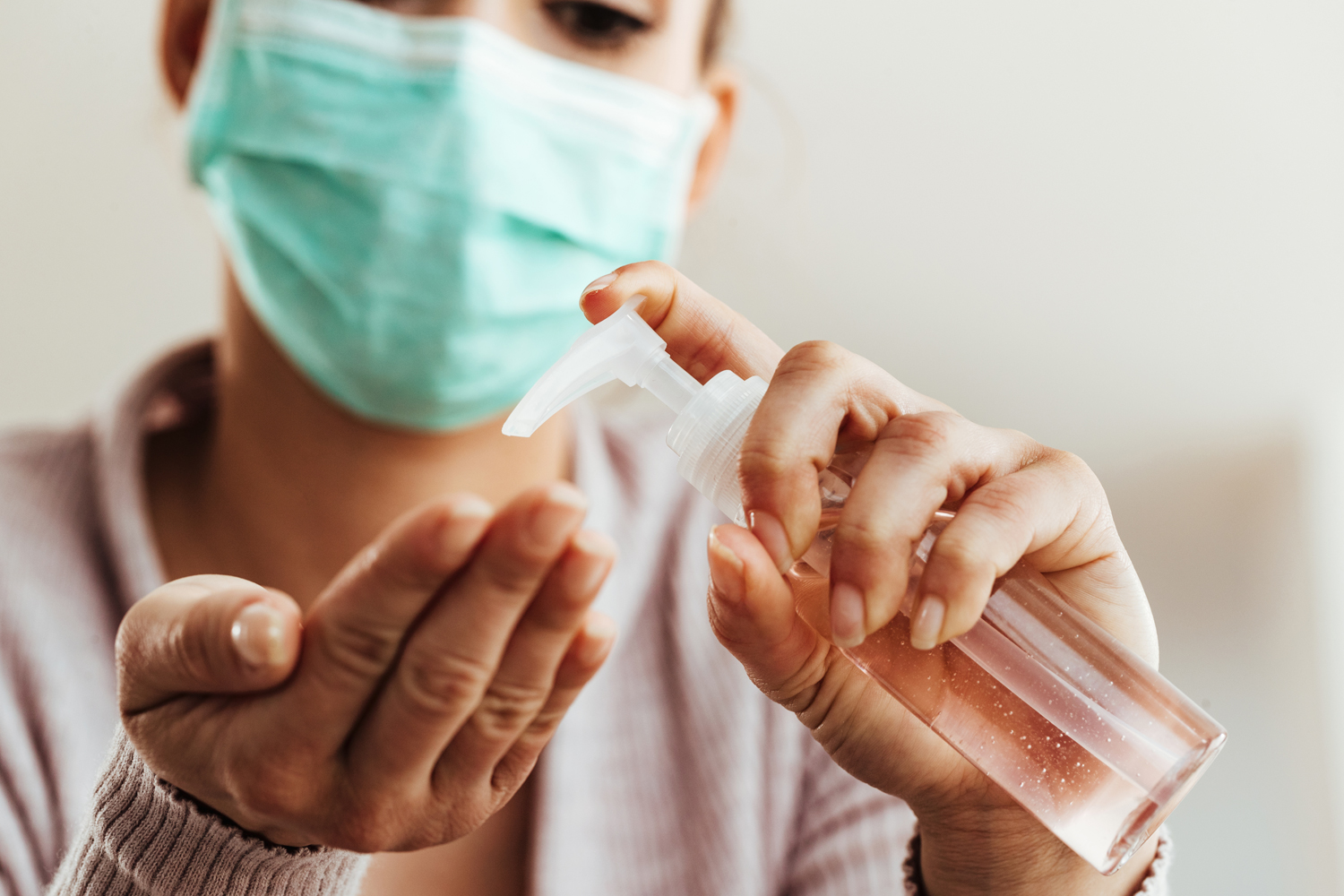
Chemotherapy lowers white blood cells, making infections dangerous.
At home:
- Hand washing: Everyone must wash before touching the child
- No sick visitors: Politely ask unwell relatives to stay away
- Safe food: No raw foods, wash fruits thoroughly, cook meat well
- Clean environment: Regular cleaning of surfaces, fresh bedding weekly
Vaccinations:
- Before treatment: Ensure all routine vaccines are up to date
- After treatment: Will need revaccination 6-12 months post-treatment
Pharmily provides: Hand sanitizers, surface disinfectants, and masks for immunocompromised children.
Your child needs you to be their advocate.
Pharmily supports pediatric cancer families:
- Phone: +254726669898
- Location: Muthaiga Business Center, Nairobi
- License No. P2024d02679
- Free delivery in Nairobi for orders above Ksh 2,999
- Pediatric cancer discount: 15% off all supportive care products
Every child deserves a future. Let's fight for it together.
FAQs
1. I can't afford treatment. Should I even bother getting a diagnosis?
Yes. Many organizations provide emergency funding, but they need a diagnosis first. Faraja Cancer Trust and Kenya Cancer Association can help after diagnosis. SHIF covers much of the treatment cost. Pharmily offers payment plans and connects families to resources. Don't let money fear delay diagnosis—early treatment is cheaper and more effective.
2. Will chemotherapy make my child lose their hair and be bullied at school?
Hair loss is temporary and almost always grows back. Most schools are understanding when informed. Many children wear caps or scarves. The priority is saving your child's life. Hair grows back; cancer untreated is fatal. Focus on treatment first, appearance later.
3. Can my child go back to normal life after treatment?
Absolutely. Most childhood cancer survivors live full, normal lives—go to school, university, have careers and families. Some need monitoring for late effects, but cure is the expected outcome with modern treatment. The key is completing treatment and attending all follow-ups.
4. How do I explain cancer to my young child without scaring them?
Use simple, honest language: "Your body has some sick cells that are making you feel bad. The medicine is strong superhero medicine that will fight those sick cells. It might make you feel tired or sick for a while, but then you'll feel better." Answer their questions truthfully. Children handle truth better than confusion.
5. What if my doctor dismisses my concerns and says I'm overreacting?
Trust your instincts. You know your child. Politely but firmly request specific tests: "I understand you think it's viral, but I'd like a blood count to rule out leukemia given the bruising and fatigue." If still dismissed, seek a second opinion. Go to a hospital with pediatric services. Early diagnosis is too important to worry about offending a doctor.