Cholesterol-Lowering Statins Explained
by Maroa Noa · 05 Feb 2026
High cholesterol is one of the leading risk factors for heart disease and stroke worldwide. For many people, lifestyle changes alone may not be enough to control cholesterol levels. This is where cholesterol-lowering statins come in.
Statins are among the most commonly prescribed medications for managing high cholesterol, yet many people have questions and concerns about how they work, their safety, and whether they are truly necessary.
This article explains everything you need to know about statins in simple, easy-to-understand language.
What Is Cholesterol and Why Does It Matter?
Cholesterol is a fatty substance found in your blood. Your body needs some cholesterol to build cells and produce hormones, but too much cholesterol can be harmful.
There are two main types:
- LDL (Low-Density Lipoprotein) – Often called “bad cholesterol” because high levels can block arteries.
- HDL (High-Density Lipoprotein) – Known as “good cholesterol” because it helps remove excess cholesterol from the bloodstream.
High LDL cholesterol increases the risk of:
- Heart attack
- Stroke
- Narrowed or blocked arteries (atherosclerosis)
What Are Cholesterol-Lowering Statins?
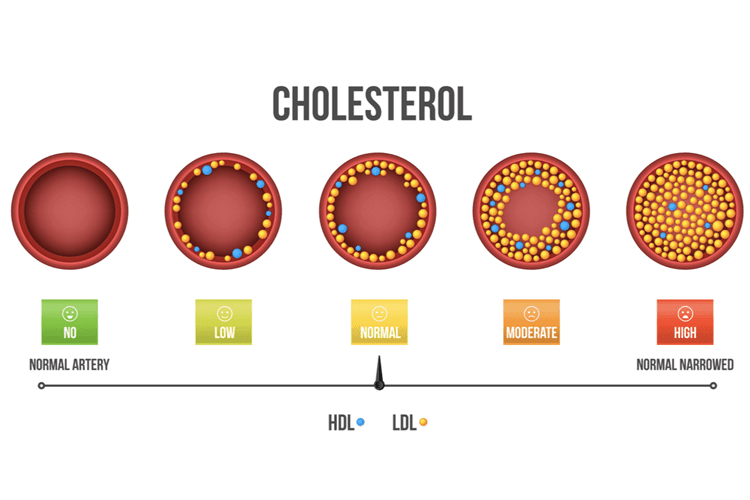
Statins are a group of medications used to lower LDL (bad) cholesterol levels in the blood. They are usually prescribed when cholesterol levels remain high despite lifestyle changes or when a person has a high risk of cardiovascular disease.
Statins have been widely studied and used for decades and are considered a cornerstone of modern cardiovascular care.
How Do Statins Work?
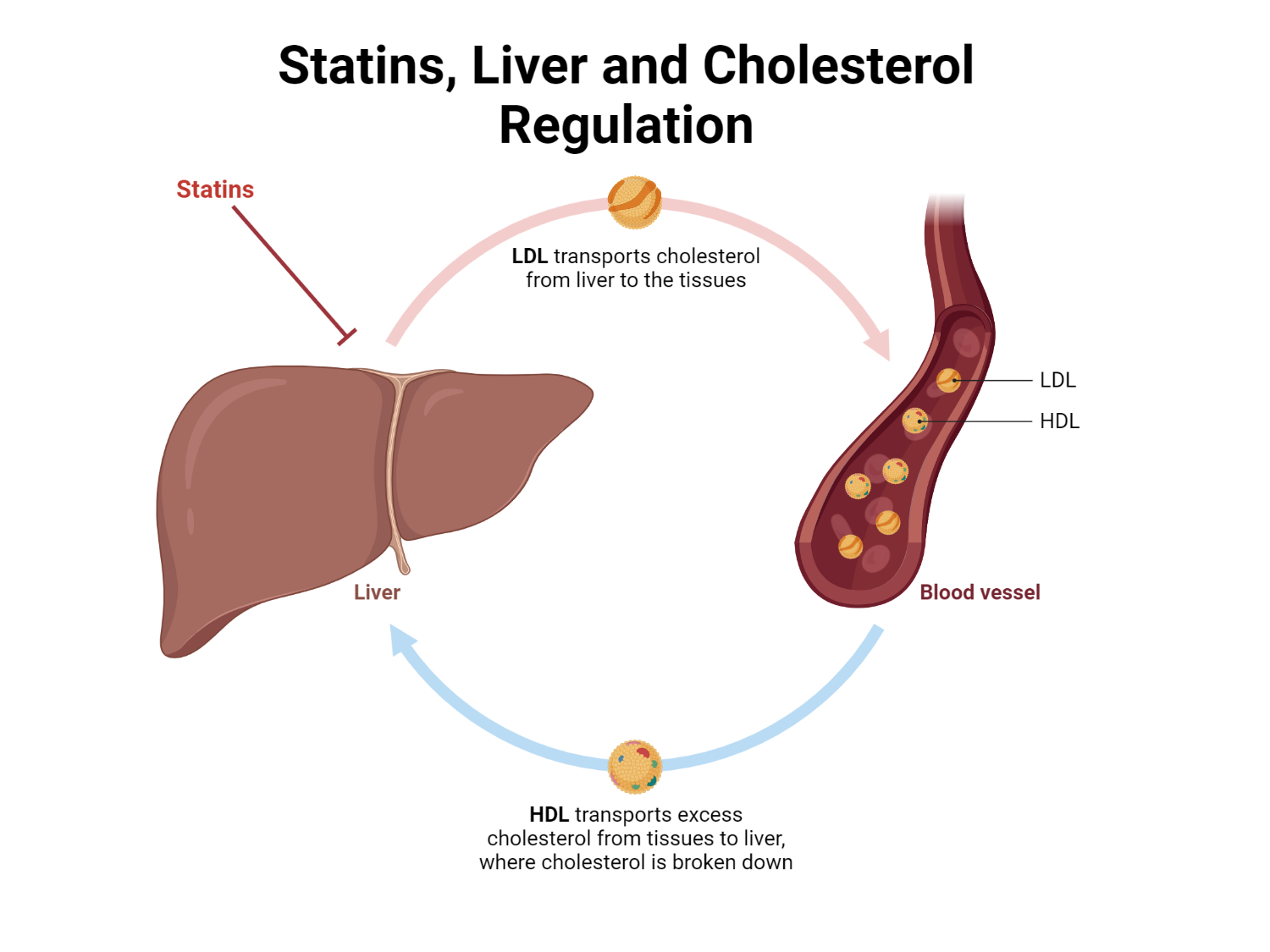
Statins work by targeting the liver, where most cholesterol is produced.
They:
- Block an enzyme the liver uses to make cholesterol
- Reduce the amount of LDL cholesterol released into the bloodstream
- Help the body reabsorb cholesterol already present in artery walls
By lowering LDL cholesterol, statins reduce the buildup of plaque in blood vessels and help prevent heart-related complications.
Types of Statins Commonly Prescribed
There isn’t just one “statin” — there are several drugs in this category, and they all do essentially the same thing: help your liver make less cholesterol. But they differ slightly in strength, how long they stay active in your body, and how well they’re tolerated.
Here are some of the common ones you might hear about:
- Atorvastatin – Atorvastatin is one of the most widely prescribed statins worldwide. It is considered a high-potency statin, meaning it can significantly reduce LDL cholesterol even at moderate doses.
- Simvastatin – Simvastatin is an older but still widely used statin, especially for people with mild to moderate cholesterol elevation.
- Pravastatin – Pravastatin is often described as a gentler statin. It is processed differently in the body and tends to have fewer drug interactions, making it a good option for certain patients.
- Rosuvastatin – Rosuvastatin is considered one of the most powerful statins available. It is often prescribed when cholesterol levels are particularly high or when other statins have not worked well.
- Lovastatin – Lovastatin was one of the first statins developed and is still used today, particularly for people with mildly elevated cholesterol.
Who Should Take Statins?
Statins may be recommended if you:
- Have high LDL cholesterol levels
- Have diabetes
- Have a history of heart attack or stroke
- Have a strong family history of heart disease
- Are at high cardiovascular risk based on age and health factors
Statins are not prescribed based on cholesterol numbers alone—overall heart risk matters.
Benefits of Cholesterol-Lowering Statins
Statins offer more than just one benefit — and understanding them can help you see why they’re widely prescribed.
1. They Lower Bad Cholesterol (LDL)
The main job of statins is to reduce the amount of LDL cholesterol your liver makes and releases into your blood. Less LDL means less chance of it sticking to your artery walls.
2. They Lower Heart Disease Risk
By lowering LDL and stabilizing plaque (the fatty deposits in your arteries), statins reduce the risk of heart attacks and strokes. Doctors often prescribe them for people with a history of heart disease, diabetes, or high cardiovascular risk.
3. They May Improve Overall Heart Health
Some studies suggest that beyond lowering cholesterol, statins have anti-inflammatory effects on blood vessels, which can further help reduce cardiovascular risk.
4. They Work with Lifestyle Changes
Statins aren’t a substitute for healthy habits — but when used alongside a balanced diet, regular exercise, and stress management, they can amplify your heart-healthy efforts.
Possible Side Effects of Statins
Most people tolerate statins well, but like all medications, they can cause side effects in some individuals.
Common side effects may include:
- Muscle aches or weakness
- Headaches
- Digestive discomfort
- Mild fatigue
Rare but serious side effects include:
- Liver enzyme changes
- Severe muscle injury (very uncommon)
Always report persistent or unusual symptoms to your doctor.
Are Statins Safe for Long-Term Use?
Yes, for most people, statins are safe when used under medical supervision.
Doctors monitor:
- Liver function
- Cholesterol levels
- Muscle-related symptoms
Stopping statins without medical advice can increase your risk of heart complications.
Statins vs Lifestyle Changes: Do You Need Both?
Lifestyle changes remain essential—even if you’re on statins.
Statins work best when combined with:
- A heart-healthy diet
- Regular physical activity
- Weight management
- Reduced alcohol intake
- Smoking cessation
Statins do not replace healthy habits—they support them.
Supporting Heart Health: Products Available at Pharmily Kenya
While statins are prescription drugs, there are supplements and wellness products that can support healthy cholesterol levels, circulation, and overall cardiovascular health.
These aren’t replacements for statins but can be part of a broader heart-healthy lifestyle.
Here are four options you can find at Pharmily Limited Kenya:
A comprehensive heart health supplement with Omega-3 fatty acids, CoQ10, and antioxidants to support normal cholesterol and blood pressure levels, circulation, and overall cardiovascular function.
Concentrated garlic extract that promotes healthy cholesterol levels and circulation while also supporting immune health — a natural choice for ongoing heart support.
Herbal tea blends with hawthorn berries and holy basil designed to support heart health and help balance blood lipid levels naturally.
A scientifically formulated heart health supplement with Omega-3, antioxidants, and B-vitamins to support cholesterol balance, circulatory health, and homocysteine metabolism.
When Should You See a Doctor?
You should consult a healthcare professional if you:
- Have high cholesterol results
- Have a family history of heart disease
- Experience chest pain or shortness of breath
- Have side effects while taking statins
Early intervention saves lives.
FAQs
Q. Are statins only for older adults?
No. Statins may be prescribed to younger adults with high cardiovascular risk.
Q. How long does it take for statins to work?
Cholesterol levels usually improve within 4–6 weeks.
Q. Can I take statins with other medications?
Some statins interact with other drugs, so always inform your doctor about all medications you take.