Colic and Gas Pain in Babies: Fast Relief Methods Parents Trust in Kenya
by Maroa Noa · 03 Feb 2026

Every parent knows the heart-wrenching sound of a baby crying in discomfort. One common cause of this distress is colic and gas pain — a condition many infants experience in their first few months of life.
While colic often goes away on its own as your baby grows, there are reliable ways to help soothe their tummy and bring peace to your home.
This article will walk you through everything you need to know — from what colic is to the most trusted relief methods parents in Kenya use, including products available at Pharmily Limited Kenya.
What Is Baby Colic and Gas Pain?
Colic refers to intense, unexplained crying in an otherwise healthy baby. Many infants cry for more than three hours a day, at least three days a week, usually due to digestive discomfort and trapped air or gas in the tummy.
Gas pain happens when bubbles of air get stuck in the baby’s intestines and cause bloating and cramping. These situations can make your baby fussy, restless, and uncomfortable after feeding.
Why Do Babies Get Colic and Gas?
Babies have immature digestive systems. Whether they are breastfed or formula-fed, their tummies are learning how to process milk and release gas efficiently. Some common reasons for gas and colic include:
- Swallowing air during feeding
- Sensitivity to certain formulas
- Overfeeding or fast feeding
- Immature gut muscles that don’t move gas along efficiently
Understanding that these symptoms are common and usually temporary can help you respond with calm, confidence, and the right relief methods.
Signs Your Baby Might Have Colic or Gas
Watch for these common signs:
- Frequent crying or fussiness, especially in the evening
- Pulling legs up toward the belly
- Red face or tense tummy
- Trouble passing wind or having bowel movements
- Fussiness during or after feeds
If your baby shows any of these signs, it may be gas pain or colic — but it’s always good to check with a pediatrician if you’re unsure.
Fast Relief Methods for Gas and Colic
Here’s a list of methods parents trust to help their babies feel more comfortable:
1. Gentle Tummy Massages
Using gentle circular motions on your baby’s belly can help move trapped gas along and ease discomfort. Make sure your hands are warm and your touch is soft.
2. Bicycle Leg Exercises
Slowly moving your baby’s legs in a cycling motion helps release trapped gas and settle the tummy.
3. Burping Between Feeds
Take breaks during feeding to burp your baby — even if they are breastfeeding — to let out swallowed air before it turns into painful gas.
4. Warm Baths
A warm bath can help relax your baby’s muscles and soothe gas pains.
5. Upright Position After Feeds
Holding your baby upright for 15–20 minutes after feeding helps gas rise and be released more easily.
Trusted Products for Colic and Gas Relief (Available at Pharmily Limited Kenya)
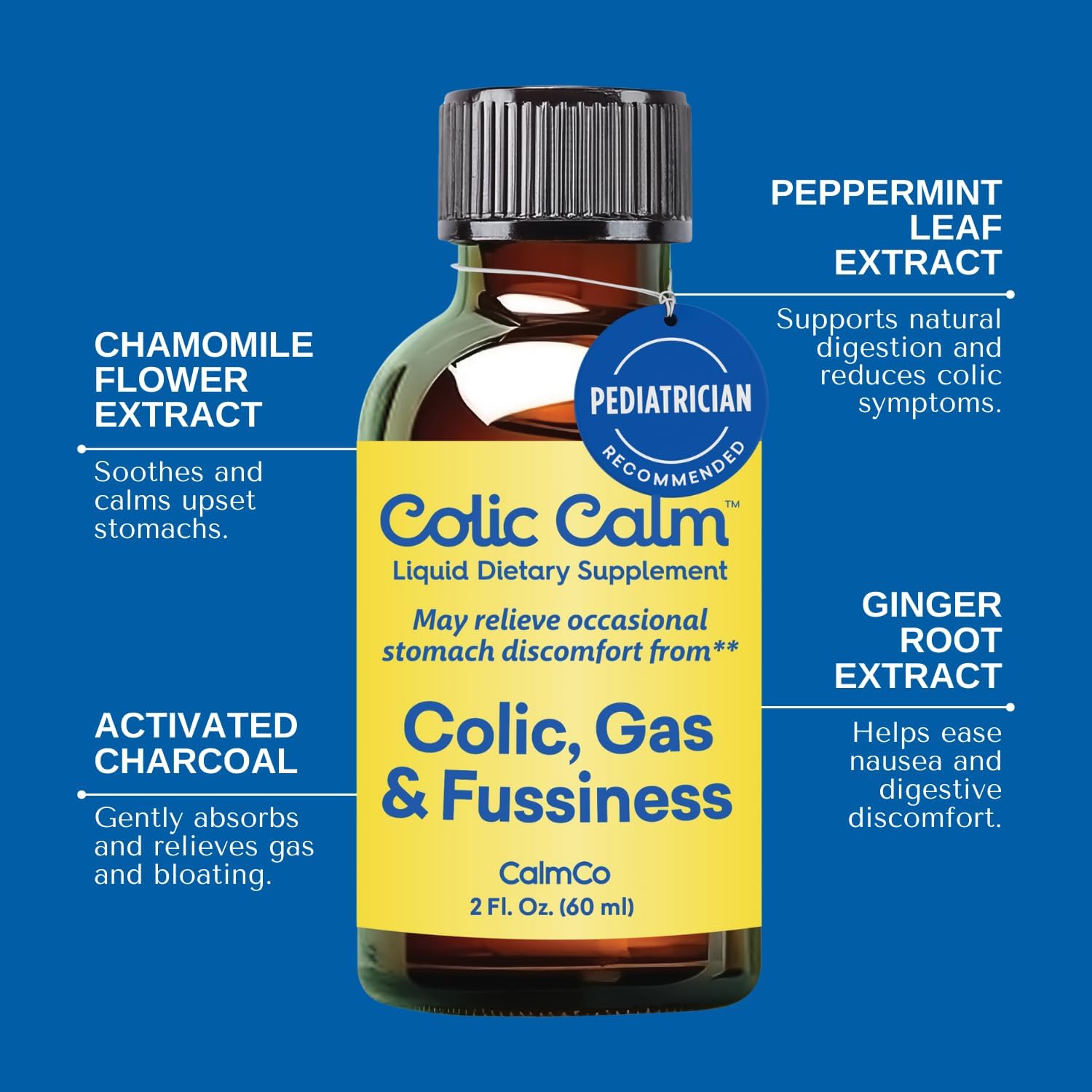
The right products can provide gentle and effective relief from colic and gas pain. Here are some trusted options available at Pharmily Limited Kenya with direct links so you can learn more or buy them easily:
1. Infacol Colic Relief Drops 85ml — This liquid formula contains simethicone, which helps break down gas bubbles in your baby’s stomach, making it easier to pass air and feel comfortable after feeding. It’s sugar-free, alcohol-free, and safe for newborns.
2. Infacol Colic Relief Drops 55ml — A smaller size of the same trusted gas relief solution. Infacol is easy to administer with the built-in dropper and can be given before each feed to help reduce trapped wind and colic symptoms.
3. COLIEF Infant Drops 7ml — These drops contain the lactase enzyme, which helps break down lactose in milk — particularly helpful if your baby’s discomfort is linked to temporary lactose intolerance. Added to milk before feeding, COLIEF supports digestion and reduces bloating.
4. Colic Calm Herbal Blend 59ml — A natural, homeopathic solution designed to soothe gas, colic, reflux, and bloating using herbal ingredients like chamomile and fennel. This gentle formula works without harsh chemicals and can calm your baby’s tummy effectively.
How to Use Gas and Colic Relief Drops Safely
Here are general tips when using colic and gas relief products:
- Follow the instructions on the product label or ask your healthcare provider about correct dosing.
- Administer drops before feeds if recommended, as many products like Infacol work best when given ahead of feeding.
- Watch for side effects and stop use if your baby has any allergic reaction (such as rash or difficulty breathing) and consult a health professional immediately.
Lifestyle Tips That Help Alongside Products
In addition to product use, these everyday tips can support relief:
- Make sure feeding positions are comfortable and air is minimized.
- If bottle-feeding, ensure the nipple size is appropriate so your baby doesn’t swallow extra air.
- Keep a feeding diary to notice patterns or triggers for gas and fussiness.
Watching your baby struggle with colic or gas pain can be stressful, but you’re not alone. With gentle care, trusted products, and practical techniques, you can ease your baby’s discomfort and enjoy more peaceful moments together.
Always start with safe, tried-and-trusted methods — and reach out to a healthcare provider when you’re ever in doubt.
FAQs
Q: What is the difference between colic and gas pain?
Colic is a broader term for prolonged crying and discomfort in babies that may include gas pain. Gas pain specifically refers to discomfort caused by trapped air in the tummy.
Q: Are gas drops safe for newborns?
Many gas drops, like Infacol, are formulated to be safe from birth onwards. Always follow the recommended dosage and ask your pediatrician if you’re unsure.
Q: How quickly do colic relief products work?
Some products begin breaking down gas bubbles within minutes, but consistent use over several days may provide the best comfort for your baby.
Q: Can breastfeeding help reduce gas?
Yes. Burping during feeds and ensuring proper latch can reduce swallowed air and help lessen gas discomfort.
Q: When should I see a doctor?
If your baby has fever, persistent vomiting, blood in stool, or continues to cry inconsolably despite relief methods, consult a pediatrician promptly.