Daily Sunscreen Use for Dark Skin in Nairobi: Why It Still Matters
by Maroa Noa · 20 Feb 2026
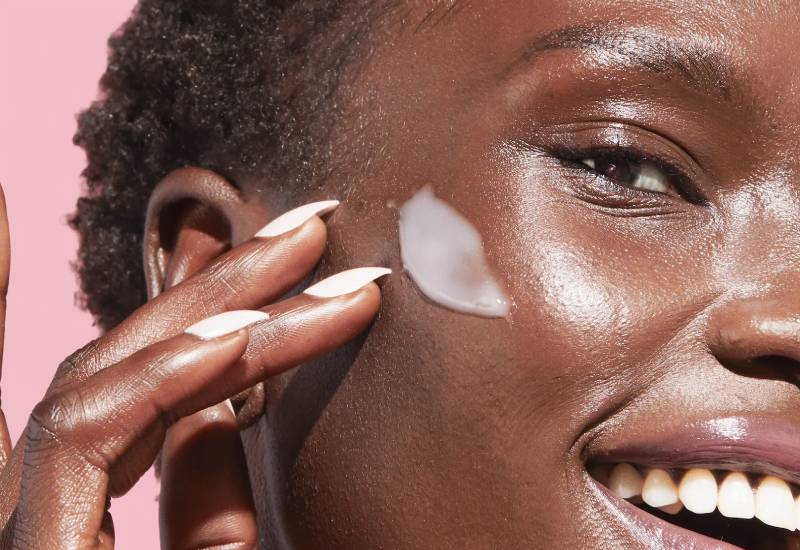
For a long time, sunscreen has been wrongly marketed as something only people with light skin need. In Nairobi — where the sun is strong year-round — many people with dark skin still believe they’re naturally protected from sun damage.
The truth is simple and important: dark skin is not immune to sun damage, and daily sunscreen use matters just as much.
Whether you’re commuting through Nairobi traffic, working outdoors, or sitting near a window all day, your skin is exposed to ultraviolet (UV) rays that can cause long-term damage.
This article explains why sunscreen for dark skin in Kenya is essential, clears common myths, and helps you choose the best sunscreen in Kenya for everyday use.
Does Dark Skin Really Need Sunscreen?
Yes — absolutely.
Melanin, the pigment that gives dark skin its colour, does provide some natural protection against UV rays. However, that protection is not enough to prevent skin damage, especially with daily exposure.
Without sunscreen, dark skin is still at risk of:
- Sunburn (yes, it happens — just less visibly)
- Hyperpigmentation and dark spots
- Uneven skin tone
- Premature ageing (fine lines and dullness)
- Skin cancer, which is often diagnosed late in darker skin tones
The danger is not always immediate or visible, but the damage builds up quietly over time.
Why Sunscreen Is Especially Important in Nairobi
Living in Nairobi means dealing with:
- High UV levels throughout the year
- Strong equatorial sunlight
- Outdoor exposure during commuting and daily activities
- Sun exposure even on cloudy days
UV rays penetrate clouds and glass, meaning you’re exposed even while indoors near windows or in vehicles. Daily sunscreen use is not about the beach — it’s about everyday protection.
Common Myths About Sunscreen and Dark Skin
- Dark skin doesn’t burn: While sunburn may be less obvious, UV damage still occurs and can trigger pigmentation problems.
- Sunscreen causes ashiness: Older formulations did, but modern sunscreens are designed to blend well into dark skin without leaving a white cast.
- I only need sunscreen when it’s sunny: UV rays are present every day, even when it’s cloudy or cool.
Benefits of Daily Sunscreen Use for Dark Skin
Using sunscreen every day helps to:
- Prevent dark spots and uneven pigmentation
- Protect against sun-induced skin ageing
- Maintain an even, healthy skin tone
- Reduce the risk of skin cancer
- Support overall skin health
If you’re treating acne marks, melasma, or post-inflammatory hyperpigmentation, sunscreen is non-negotiable — without it, treatments won’t work effectively.
How to Choose the Best Sunscreen for Dark Skin in Kenya
When shopping for sunscreen in Kenya, look for the following features:
- Broad-spectrum protection (UVA and UVB)
- SPF 30 or higher for daily use
- No white cast or “ashy” finish
- Lightweight, non-greasy texture
- Suitable for your skin type (oily, dry, acne-prone)
Gel, fluid, or lotion sunscreens usually work best for Nairobi’s warm climate.
Recommended Sunscreen Products Available at Pharmily Limited Kenya
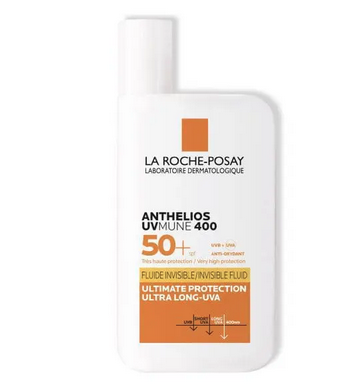
The following options are carefully selected for their reliability, skin compatibility, and suitability for Kenya’s climate, making them practical choices for consistent sun protection as part of a daily skincare routine.
1. Neutrogena Ultra Sheer Dry-Touch SPF 50+
A lightweight, fast-absorbing sunscreen that offers high protection without clogging pores. It leaves no greasy feel and blends well on dark skin.
2. La Roche-Posay Anthelios Invisible Fluid SPF 50+
An excellent option for sensitive and pigmentation-prone skin. Its fluid texture disappears into the skin without leaving a white cast.
3. Eucerin Oil Control SPF 50+
Ideal for oily and acne-prone skin. It controls shine while providing strong UV protection — perfect for Nairobi’s warm weather.
4. Nivea Sun Protect & Moisture SPF 50
A more affordable daily sunscreen option that hydrates the skin while offering reliable sun protection.
Tip: Apply sunscreen every morning and reapply every 2–3 hours if outdoors.
How to Use Sunscreen Correctly
To get full protection:
- Apply sunscreen as the last step of your skincare routine
- Use enough — about two finger-lengths for the face and neck
- Apply 15–20 minutes before sun exposure
- Reapply during the day, especially if sweating or outdoors
Consistency matters more than brand choice.
Daily sunscreen use is not about changing your skin colour — it’s about protecting the skin you already have. For people with dark skin living in Nairobi, sunscreen is a simple but powerful tool against pigmentation, premature ageing, and long-term skin damage.
Using the right sunscreen for dark skin in Kenya, applied consistently, can make a visible difference in skin health over time. Think of sunscreen as daily skin insurance — quiet, reliable, and absolutely worth it.
FAQs
Q. Is sunscreen safe for dark skin?
Yes. Sunscreen is safe and beneficial for all skin tones when used correctly.
Q. Will sunscreen make my skin lighter?
No. Sunscreen does not bleach the skin. It prevents damage that causes darkening and uneven tone.
Q. Can I use sunscreen if I have acne?
Yes. Choose a non-comedogenic or oil-control sunscreen suitable for acne-prone skin.
Q. Do men need sunscreen too?
Absolutely. Sun damage affects everyone, regardless of gender.
Q. Is SPF 30 enough for Nairobi weather?
SPF 30 is the minimum, but SPF 50 is recommended for daily protection due to strong UV exposure.