Diabetic Foot Complications: Early Warning Signs That Prevent Ulcers and Amputation
by Maroa Noa · 03 Feb 2026

Diabetes affects more than blood sugar—it can quietly damage nerves, blood vessels, and skin, especially in the feet.
In Kenya, diabetic foot complications are a leading cause of hospital admissions and non‑traumatic amputations. The encouraging truth? Most foot ulcers and amputations are preventable with early detection, daily care, and timely treatment.
This guide explains early warning signs, practical diabetic foot care, and evidence‑based management plans, while highlighting trusted products available at Pharmily Limited Kenya to support prevention and healing.
Why Diabetes Puts the Feet at Risk
Diabetic foot complications develop due to a combination of:
Nerve Damage (Diabetic Neuropathy)
Loss of sensation means small cuts, blisters, or burns can go unnoticed and worsen over time.
Poor Blood Circulation (Peripheral Arterial Disease)
Reduced blood flow slows healing and increases infection risk.
Weakened Immunity
High blood sugar impairs the body’s ability to fight infection, allowing minor wounds to become serious.
Early Warning Signs You Should Never Ignore
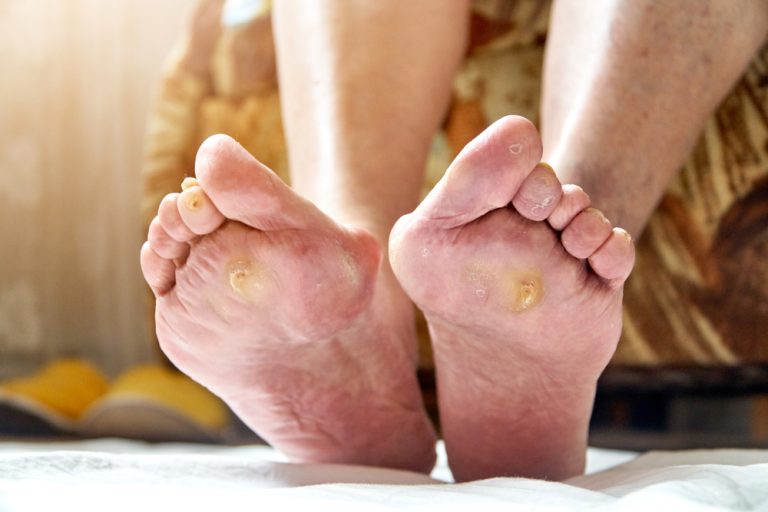
Catching problems early can save a limb. Seek medical advice if you notice:
- Numbness or Reduced Sensation in the Feet ‑ This is often the earliest sign of diabetic neuropathy. You may not feel pain, heat, or cold properly, which means cuts, burns, or blisters can occur without your knowledge and worsen silently.
- Tingling, Burning, or Sharp Foot Pain ‑ Some people experience abnormal sensations such as pins-and-needles, burning, or stabbing pain. These nerve-related symptoms indicate ongoing nerve damage and increase the risk of unnoticed injuries.
- Dry, Cracked, or Peeling Skin ‑ Diabetes reduces sweat and oil production in the feet, leading to dryness and cracks. These cracks create entry points for bacteria and fungi, increasing infection risk.
- Swelling of the Foot or Ankle ‑ Persistent swelling may indicate infection, inflammation, or poor blood flow. Swelling should never be ignored, especially if it appears suddenly or affects only one foot.
- Blisters, Cuts, or Sores That Heal Slowly ‑ Wounds that do not heal within a few days are a major warning sign. Poor circulation and high blood sugar delay healing and allow small injuries to progress into ulcers.
- Calluses, Corns, or Thickened Skin ‑ Excess pressure on certain areas of the foot leads to callus formation. If not managed properly, calluses can break down and form ulcers underneath.
- Foul Smell or Discharge from the Foot ‑ A bad odor, pus, or fluid leakage is a strong indicator of infection or tissue damage. This requires urgent medical attention to prevent spread and tissue death.
- Ingrown or Thickened Toenails ‑ Thick or improperly trimmed nails can injure surrounding skin, causing infections. In diabetes, even minor nail injuries can escalate quickly.
- Changes in Foot Shape or Toe Deformities ‑ Claw toes, hammer toes, or collapsed arches suggest muscle imbalance from nerve damage. These changes increase pressure points and the likelihood of ulcer formation.
- Blackened or Dark Tissue (Gangrene) ‑ Dark or black areas on the foot indicate severe tissue damage or loss of blood supply. This is a medical emergency and a leading cause of amputation if not treated immediately.
Daily Diabetic Foot Care: Your First Line of Defense
Inspect Your Feet Every Day ‑ Check the soles, heels, and between toes. Use a mirror or ask for help if needed.
Wash and Dry Properly ‑ Use lukewarm water and mild soap. Dry gently—especially between toes.
Moisturize, But Carefully ‑Apply moisturizer to dry skin, avoiding spaces between toes to prevent fungal growth.
Wear Protective Footwear‑ Avoid walking barefoot. Choose well‑fitting shoes with soft interiors.
Management and Treatment Plans

Effective diabetic foot management focuses on prevention, early treatment, and infection control.
Blood Sugar Control ‑ Consistent glucose control reduces nerve damage and improves wound healing.
Wound Care and Infection Prevention ‑ Early cleansing, dressing, and monitoring of wounds prevent progression to ulcers.
Professional Review ‑ Any non‑healing wound should be assessed by a clinician or podiatry‑trained professional immediately.
Pharmily Limited Kenya: Products That Support Diabetic Foot Care
Below are commonly recommended foot‑care and wound‑management products available through Pharmily Limited Kenya. Always use under professional guidance.
1. Savlon Antiseptic Liquid
Savlon Antiseptic Liquid is a must-have in every home for effective protection against infections. This trusted antiseptic liquid helps clean and disinfect minor cuts, abrasions, insect bites, and skin irritations.
2. Sterile Gauze Dressings & Bandages
Sterile dressings protect wounds from contamination while absorbing excess moisture. They create a clean healing environment and are essential for daily wound care in diabetic patients. Dressing changes should be done carefully and regularly.
3. Canesten Cream
Canesten Cream 20g is a clinically proven antifungal treatment that helps relieve itching, redness, and discomfort caused by fungal infections. It contains Clotrimazole 1%, a potent antifungal ingredient that kills fungi at the source, preventing the spread of infection and promoting faster healing.
4. Glucose Monitoring Supplies
Consistent blood sugar monitoring is foundational in preventing diabetic complications. Glucose monitors and testing supplies help patients track levels and adjust lifestyle or treatment promptly.
When to Seek Urgent Medical Care
Get immediate medical attention if you experience:
- Rapidly spreading redness or swelling
- Fever with a foot wound
- Blackened tissue or severe pain
- A wound that worsens despite home care
Early referral can prevent hospitalization and amputation.
Diabetic foot complications are serious—but they are largely preventable. Knowing the early warning signs, practicing daily foot care, and using the right products can mean the difference between healing and lifelong disability.
With early action and trusted support from Pharmily Limited Kenya, protecting your feet is both possible and practical.
FAQs
Q. What causes diabetic foot ulcers?
They are caused by nerve damage, poor circulation, and untreated minor injuries in people with diabetes.
Q. How can diabetic foot complications be prevented?
Daily foot inspection, proper footwear, good blood sugar control, and early treatment of wounds are key.
Q. Can small cuts really lead to amputation?
Yes. In diabetes, untreated minor wounds can quickly become infected ulcers if not managed early.
Q. How often should a diabetic check their feet?
Daily self‑checks are recommended, with routine professional foot assessments.