Diaper Rash vs Fungal Infection in Infants
by Maroa Noa · 31 Jan 2026
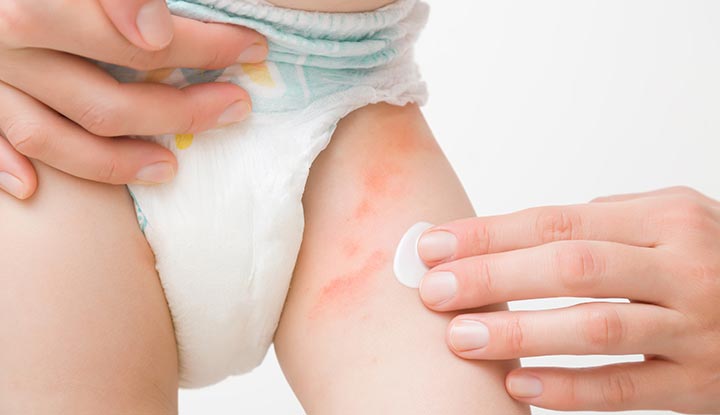
Every parent knows the worry that comes with seeing your baby’s delicate skin become red, irritated, or uncomfortable.
Two common conditions that can affect babies’ diaper area are diaper rash and fungal infection. Although they can look similar at first, they are very different in how they start and how they are treated.
Knowing how to tell them apart and what treatments are effective — including safe options from Pharmily Kenya — can make a big difference for your baby’s comfort and health.
What Is Diaper Rash?
Diaper rash is one of the most common skin irritations in infants. It usually shows up as patchy redness on the baby’s bottom, thighs, or genital area because of moisture, friction, and prolonged contact with urine or stool.
Babies have very delicate skin, and when diapers are left on too long, the skin becomes irritated and inflamed.
Visually, diaper rash often looks like flat, bright red areas that may feel warm or sensitive to touch. The rash usually stays within the diaper area and does not spread into deep skin folds.
Common Causes of Diaper Rash
Diaper rash may be caused by:
- Leaving wet or soiled diapers too long. Skin can develop a rash if wet or soiled diapers are left on too long. Babies may be more prone to diaper rash if they're having many stools or diarrhea.
- Chafing or rubbing. Tightfitting diapers or clothing that rubs against the skin can lead to a rash.
- Using a new product. Your baby's skin may react to a new brand of baby wipes, diapers or a detergent, bleach or fabric softener used to wash cloth diapers. Ingredients in lotions, powders and oils might add to the problem.
- Developing a bacterial or yeast infection. What begins as a simple infection may spread to the surrounding skin. The area covered by a diaper is at risk because it's warm and moist, making a perfect breeding ground for bacteria and yeast. These rashes can be found within the creases of the skin.
- Introducing new foods. As babies start to eat solid foods, the content of their stool changes. This increases the likelihood of diaper rash. Changes in your baby's diet can also increase the frequency of stools, which can lead to diaper rash. Breastfed babies might develop diaper rash in response to something the mother has eaten.
- Having sensitive skin. Babies with atopic dermatitis, seborrheic dermatitis or other skin conditions may be more likely to develop diaper rash. The irritated skin of atopic dermatitis also tends to be in areas not covered by a diaper.
- Using antibiotics. Antibiotics can contribute to a rash by killing bacteria that keep yeast growth in check. Antibiotic use also increases the risk of diarrhea. Breastfed babies whose mothers take antibiotics also are at increased risk of diaper rash.
Symptoms of Diaper Rush
Symptoms of diaper rash include:
- Inflamed skin in the diaper area — buttocks, thighs and genitals.
- Itchy, tender skin in the diaper area.
- Sores in the diaper area.
- Discomfort, fussiness or crying, especially during diaper changes.
What Is a Fungal Infection?
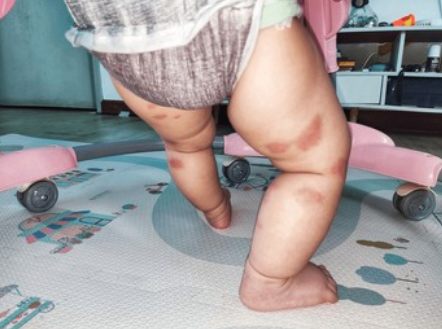
A fungal infection in infants — often caused by yeast like Candida — can develop when the skin stays moist for a long time. Yeast thrives in warm, damp environments, especially in skin folds where air circulation is low.
Unlike simple diaper rash, a fungal infection can look bright red with a clearly defined edge. You might also see small red spots or dots at the edge of the rash.
These spots are sometimes called “satellite lesions”. The rash may also persist for a long time despite regular changes and basic diaper rash creams.
How to Tell the Difference
Visually, diaper rash and fungal infection can look similar, but there are some differences that help parents identify them:
- Diaper rash is usually flat red patches, mostly in areas where the diaper touches the skin.
- Fungal (yeast) infection often has more intense redness and small red spots around the edges. It may also look shiny or even slightly raised. The rash might spread into the skin folds where normal diaper rash usually does not.
If you notice the rash is not improving after a couple of days of regular care, or it looks particularly bright red and stubborn, it might be fungal. In that case, a pediatrician’s advice is best.
Gentle Diaper Rash Treatment for Babies
When diaper rash first appears, parents can often manage it at home with good diaper hygiene and barrier creams that protect the skin.
A trusted option available from Pharmily Kenya is Dr Organic Baby Bum Balm with Calendula.
This gentle balm uses natural calendula extract to soothe and protect a baby’s sensitive skin. It creates a protective layer that helps prevent irritation from moisture and friction.
Another helpful product from Pharmily Kenya is Bell’s Baby Nappy Rash Relief Cream. Its blend of zinc oxide, aloe vera, and calendula calms irritation while forming a moisture-resistant barrier on your baby’s skin.
This makes it a good choice for daily diaper rash care or prevention.
There are also other widely used diaper rash creams — like Day by Day Nappy Rash Cream — that offer gentle relief and protection.
When applying any diaper cream, always clean your baby’s skin gently and let it dry before applying the product, especially after each diaper change.
Treating Baby Fungal Infections
If the rash looks stubborn, bright red, and has those characteristic satellite spots, it may be fungal. In such cases, basic barrier creams alone might not be enough. Fungal infections require an antifungal treatment to stop the yeast from growing.
Some antifungal medications contain ingredients like clotrimazole or nystatin that work by stopping the fungus from multiplying.
However, these should be used only after talking to a pediatrician or pharmacist. Overuse of antifungals can cause irritation if the diagnosis is incorrect.
Although specific antifungal baby creams might not always be available over the counter, your healthcare provider can recommend or prescribe one suitable for infants if needed. Always follow the pediatrician’s guidance and dosage instructions closely.
Daily Care Tips That Help Both Conditions
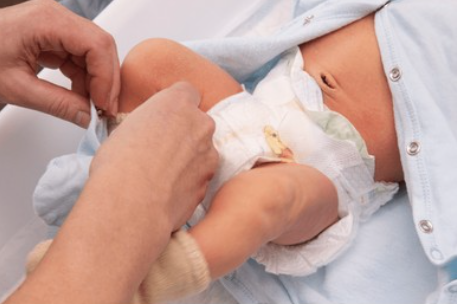
Good hygiene and comfort go a long way in managing both diaper rash and fungal infection. Change diapers frequently — especially after bowel movements — to keep the area clean and dry.
Avoid harsh soaps and heavily scented wipes. Instead, rinse with warm water or use gentle, fragrance-free options.
Air-time without a diaper for a few minutes each day can help keep the skin dry and speed healing.
Keeping nails short and smooth also prevents your baby from scratching and making irritation worse.
When to See a Doctor
If the diaper rash hasn't improved after a few days of home treatment, talk with your doctor or other health care professional. You may need prescription medicine to treat diaper rash. Or the rash may have another cause, such as seborrheic dermatitis, atopic dermatitis, psoriasis or nutritional deficiency.
Take your child to a doctor or other health care professional for:
- A rash with a fever.
- A rash that's severe or unusual.
- A rash that persists or gets worse despite home care.
- A rash that bleeds, itches or oozes.
- A rash that causes burning or pain when your baby passes urine or stool.
Both diaper rash and fungal infection in infants are common and often manageable with proper care. The key difference lies in their visual signs and how they respond to treatment.
Simple diaper rash usually improves with good hygiene and barrier creams like Dr Organic Baby Bum Balm or Bell’s Baby Nappy Rash Relief Cream from Pharmily Kenya. Persistent or unusual rashes may need professional evaluation and possibly antifungal treatment under medical guidance.
Caring for your baby’s skin with patience, cleanliness, and the right products can make a big difference in comfort and healing. If in doubt, always consult your pediatrician or pharmacist — they are your best partners in keeping your baby happy and healthy.
FAQs
Q. How can I quickly tell diaper rash from a fungal infection?
Diaper rash looks like flat redness where the diaper touches the skin. A fungal infection is brighter red, may look shiny, and often has small red spots around the edges.
Q. How long should a diaper rash take to heal?
With proper care and a good diaper rash cream, mild diaper rash usually improves within two to three days.
Q. What if the rash does not improve after a few days?
If the rash persists, worsens, or spreads into skin folds, it may be a fungal infection and should be checked by a healthcare professional.
Q. Which products are good for diaper rash treatment?
Barrier creams like Dr Organic Baby Bum Balm with Calendula, Bell’s Baby Nappy Rash Relief Cream, and Day by Day Nappy Rash Cream from Pharmily Kenya are commonly used for diaper rash.