Dry Eyes and Eye Strain From Screen Exposure: Relief Options Available in Pharmacies
by Maroa Noa · 25 Mar 2026

In today’s digital age, long hours in front of screens have become a daily reality for many working adults.
Whether it’s laptops, smartphones, or tablets, continuous screen use can lead to dry eyes, eye strain, and discomfort, impacting productivity, concentration, and overall eye health.
Dry eyes and eye strain are not just minor inconveniences—they can cause headaches, blurred vision, fatigue, and even difficulty focusing.
The good news is that pharmacies offer a variety of relief options, ranging from over-the-counter drops to nutritional supplements, that can help restore comfort and support eye health.
This article explores the causes of screen-induced dry eyes and eye strain, practical prevention strategies, and the pharmacy solutions that can provide relief.
Understanding Screen-Induced Eye Strain and Dry Eyes
Eye strain, also called asthenopia, is a group of symptoms that occur after prolonged visual tasks, particularly screen use. Symptoms may include tired, sore eyes, blurred vision, headaches, and difficulty focusing.
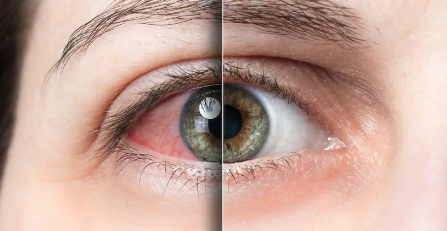
Dry eye syndrome, on the other hand, occurs when your eyes do not produce enough tears or the tears evaporate too quickly. This can lead to redness, irritation, a burning sensation, or the feeling of something “in the eye.”
Screen exposure increases the risk of both conditions because people tend to blink less frequently while looking at screens—sometimes reducing blink rates by over 50%. This leads to faster tear evaporation and contributes to eye dryness and discomfort.
Who Is Most at Risk?
- Office workers: Extended hours on computers or laptops increase screen time and reduce blink rates.
- Students and remote workers: Online classes and virtual meetings lead to continuous screen exposure.
- Mobile device users: Smartphones and tablets held close to the eyes increase visual demand and strain.
- People with existing eye conditions: Individuals with allergies, contact lens use, or pre-existing dry eye are more prone to symptoms.
Did You Know? The 20-20-20 rule can help reduce strain: every 20 minutes, look at something 20 feet away for 20 seconds.
Reduced Blink Rate
When staring at screens, people blink less frequently, which decreases tear distribution and leads to dryness, redness, and irritation.
Poor Ergonomics
Screen position, lighting, glare, and viewing angle all affect eye comfort. Improper setup forces the eyes to work harder, increasing fatigue.
Long Screen Duration
Extended hours without breaks increase the risk of strain, as the eye muscles responsible for focusing become overworked.
Environmental Factors
Air-conditioned offices, fans, or dry climates accelerate tear evaporation, worsening dry eye symptoms.
Contact Lens Use
Wearing contact lenses for long periods during screen use can exacerbate dryness and irritation.
Symptoms to Watch For
- Burning or stinging sensation in the eyes
- Redness or irritation
- Blurred or fluctuating vision
- Headaches or fatigue around the eyes
- Sensitivity to light
- Feeling of “gritty” eyes or a foreign body sensation
Even mild symptoms, if ignored, can progress into chronic discomfort and affect daily productivity.
Practical Prevention Strategies
Preventing screen-induced dry eyes and eye strain begins with small lifestyle adjustments that reduce visual stress:
1. Adjust Screen Settings
Ensure proper brightness, contrast, and text size. Reduce glare by positioning screens away from direct light or using anti-glare filters.
2. Maintain Proper Distance
Keep monitors at arm’s length and slightly below eye level. This reduces the need for constant focusing and minimizes strain.
3. Blink Frequently
Consciously blinking more often helps keep eyes moist. Try the “blink-and-hold” technique during prolonged screen use.
4. Use the 20-20-20 Rule
Take breaks every 20 minutes, looking at an object at least 20 feet away for 20 seconds. This relaxes focusing muscles and reduces fatigue.
5. Optimize Environment
Humidifiers, adjusting air conditioning, or reducing fan use can help maintain moisture in the eyes.
6. Limit Screen Time
Whenever possible, reduce continuous screen exposure and alternate with offline tasks to rest the eyes.
Relief Options Available at Pharmacies

When lifestyle adjustments aren’t enough, over‑the‑counter products can provide targeted relief. Here are some excellent pharmacy options — all available to order online at Pharmily:
Eye Drops That Provide Hydration & Comfort
Murine Dry & Tired Eyes 15ml – These eye drops are formulated to quickly soothe dry, irritated, and fatigued eyes caused by screen time, air conditioning, or environmental stress. They provide instant hydration and long‑lasting moisture, helping relieve discomfort throughout the day.
Visine Red Eye Hydrating Comfort Drops 15ml – Visine combines hydration with redness‑reducing ingredients for rapid relief from dry, red, and irritated eyes. It’s ideal for daily use after prolonged screen exposure or environmental irritation.
Optrex Refreshing Eye Drops 10ml – These drops offer fast‑acting hydration and refreshment, helping combat dry, tired eyes from screens, air conditioning, or long tasks. The pH‑balanced formula mimics natural tears for comfort.
Nutritional & Herbal Support for Eye Health
Viridian Bilberry & Eyebright Extract Vcaps 30’s – A natural supplement combining bilberry and eyebright, traditionally used to support healthy vision and reduce eye strain. The antioxidant‑rich formula helps protect tissues from strain and visual fatigue.
Nature's Answer Eyebright Herb 30ml – This herbal tincture supports eye comfort with traditional botanicals that help soothe irritation and support eye wellness, particularly useful for those exposed to screens or environmental stressors.
Lifestyle & Eye Health Habits to Combine With Pharmacy Products
- Maintain a balanced diet rich in vitamins A, C, E, and zinc, which support eye health.
- Stay hydrated to support natural tear production.
- Practice eye relaxation exercises, such as closing eyes for a few minutes periodically or gently massaging temples.
- Limit caffeine intake, as it may contribute to mild dehydration.
These habits enhance the effectiveness of over-the-counter products and prevent symptoms from worsening.
When to See an Eye Care Professional
While pharmacy solutions provide relief for most cases, consult an optometrist or ophthalmologist if:
- Symptoms persist for more than a few weeks
- Vision becomes blurred, fluctuates, or deteriorates
- Severe eye pain or sudden redness occurs
- You experience discharge, swelling, or other unusual eye signs
Early intervention can prevent chronic dry eye syndrome or eye strain complications and may reveal underlying conditions that require medical attention.
Dry eyes and eye strain from screen exposure are common challenges for modern professionals, but they are manageable.
By combining practical lifestyle habits—like proper ergonomics, frequent breaks, and hydration—with pharmacy solutions such as lubricating drops, gels, or supplements, working adults can protect eye health, reduce discomfort, and maintain productivity.
Early attention to symptoms, proactive prevention, and using available pharmacy products ensure that screen time doesn’t compromise long-term eye comfort and vision.
FAQs
Q1: Can prolonged screen use really cause permanent eye damage?
A: For most people, screen-related strain and dry eyes are temporary. However, chronic unmanaged strain can cause persistent discomfort and headaches. Maintaining eye health habits is essential.
Q2: Are over-the-counter eye drops safe for daily use?
A: Yes, preservative-free artificial tears are safe for frequent daily use. Always follow instructions and consult a pharmacist if you have pre-existing eye conditions.
Q3: How often should I take breaks from screens to prevent eye strain?
A: Follow the 20-20-20 rule: every 20 minutes, look at an object 20 feet away for 20 seconds. Longer breaks every 1–2 hours further help relax eye muscles.
Q4: Can supplements like Omega-3 really help with dry eyes?
A: Yes. Omega-3 fatty acids improve tear production and reduce inflammation of the tear glands. Supplements are most effective when combined with lifestyle adjustments.
Q5: Do glasses with anti-glare lenses reduce eye strain?
A: Anti-glare or blue-light filtering lenses reduce glare, contrast strain, and visual fatigue, particularly for prolonged screen work, making them a valuable preventive tool.