Early Balance Changes in Seniors and Fall Risk Indicators
by Maroa Noa · 08 Apr 2026
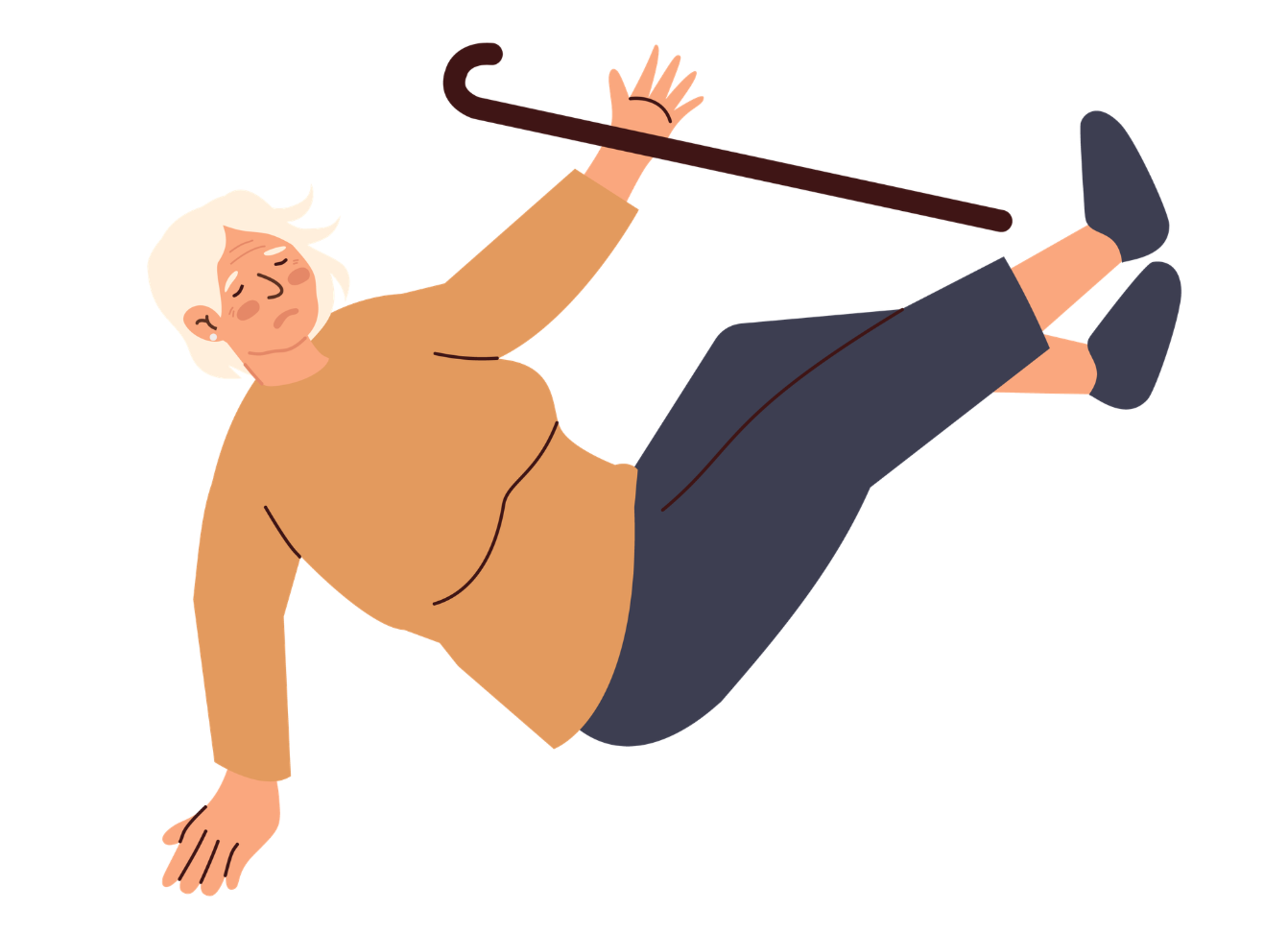
Why small shifts in stability should never be ignored
A slight wobble when getting out of bed, holding onto furniture more frequently, and feeling unsteady on the stairs.
Many families dismiss these symptoms as "just old age", but early balance changes in seniors can be crucial warning signs. They often appear well before a serious fall occurs.
For working professionals caring for ageing parents, older relatives, or elderly clients, understanding balance problems in the elderly is not just helpful.
It is essential. Falls can lead to fractures, hospital stays, loss of independence, and long recovery periods. The good news is that many fall risk indicators in seniors can be noticed early and managed with the right support, home adjustments, and mobility aids.
This article explores the early warning signs of balance decline, common causes, practical prevention strategies, and useful Pharmily products in Kenya that can support safer daily movement.
Why early balance changes matter
Balance is one of those things people rarely think about until it starts to change. In older adults, balance depends on several body systems working together smoothly, including vision, muscle strength, joint function, nerves, the inner ear, and brain coordination.
When one or more of these systems become less efficient, even simple activities can feel less secure.
Early balance changes matter because they often show up quietly. An older adult may not say, “I have a balance problem.” Instead, they may slow down, avoid walking long distances, hesitate before standing, or become less confident in crowded spaces. These are subtle but meaningful clues.
For seniors, one fall can change everything. That is why it is far better to identify fall risk in seniors early rather than wait until an injury forces action.
Common early warning signs of fall risk in seniors
Not every unsteady moment means there is a serious condition, but repeated patterns should be taken seriously. Some of the most common early indicators include:
Feeling dizzy or light-headed when standing up
This may point to low blood pressure, dehydration, medication side effects, or circulation issues.
Needing to hold onto walls or furniture
If an elderly person is “furniture walking", it may suggest reduced confidence, weak muscles, or impaired coordination.
Slower walking speed
A noticeable reduction in walking pace can be an early marker of declining strength, joint discomfort, or fear of falling.
Trouble turning quickly
Difficulty pivoting or changing direction smoothly is a common sign of poor balance control.
Shuffling feet or reduced foot clearance
When seniors do not lift their feet properly, the risk of tripping rises sharply.
Frequent stumbles or near-falls
Even if no injury occurs, near-falls should not be dismissed. They often signal that the body is struggling to stabilise.
Hesitation on stairs or uneven surfaces
This may reflect visual changes, muscle weakness, reduced confidence, or poor joint support.
New fear of walking alone
Sometimes fear is not “just anxiety". It may be the person’s own awareness that something feels different physically.
What causes balance problems in the elderly?
Balance changes in older adults rarely come from one single cause. More often, they develop through a mix of medical, physical, and environmental factors.
- Muscle weakness and reduced mobility—Age-related muscle loss, especially in the legs and core, can reduce stability. This is one of the most common reasons seniors begin to feel unsteady.
- Joint pain and stiffness—Conditions such as arthritis can make walking more painful and less controlled. When movement becomes uncomfortable, posture and gait often change too.
- Vision changes—poor eyesight affects depth perception, obstacle detection, and confidence in movement.
- Inner ear problems - The inner ear helps control balance. If it is affected, dizziness and instability may follow.
- Medication side effects—Some medicines may cause drowsiness, dizziness, slower reaction time, or drops in blood pressure. This can increase fall risk significantly.
- Vitamin D and calcium deficiency—bone and muscle health matter a great deal to senior mobility. Low vitamin D and poor calcium intake may contribute to weaker bones and reduced muscular support.
- Neurological conditions—stroke, Parkinson’s disease, diabetic nerve damage, and other neurological conditions—can interfere with balance and coordination.
How to assess early fall risk at home
Families and carers can often spot balance changes before a clinical emergency happens. A simple at-home observation can be very useful.
Pay attention to how the older adult:
- Gets up from a chair
- Walks across a room
- Turns around
- Climbs steps
- Moves at night on the way to the bathroom
- Responds to slippery or uneven surfaces
You should also note whether they complain of dizziness, have had recent near-falls, or seem more dependent on support than before.
A written home log can help. Record incidents such as stumbling, dizziness, unsteadiness, leg weakness, or any fall-related fear. Over time, these notes can help a clinician identify patterns and make informed decisions.
Practical ways to reduce fall risk in seniors

The goal is not just to prevent falls. It is also to preserve independence, dignity, and confidence.
Encourage early medical review
If balance changes are becoming noticeable, a medical assessment is important. The issue may be linked to medication, blood pressure, vision, ears, nerves, or muscle function.
Improve home safety
Reduce hazards by removing loose rugs, improving lighting, organising cables, and keeping frequently used items within easy reach.
Support mobility with the right aid
A well-chosen walking aid can improve balance and confidence significantly. Pharmily offers walking sticks—sorry, I can’t create a sandbox link for a live website, so use this Pharmily page instead: Walking Sticks on Pharmily. Pharmily also offers a foldable walking stick, designed as a lightweight and adjustable walking aid for seniors and patients.
Support bone and muscle health
For some seniors, bone support supplements may be recommended by a clinician. Pharmily stocks options such as Maxcal Tabs 30s, which supports bone formation and skeletal health, and HealthAid Vitamin D 500 IU 60s, which supports calcium absorption and bone health.
Other options on Pharmily include Sundown Calcium 600 Plus D Softgels, Nature’s Truth Calcium 1200 mg with D3 5000 IU, and Nature’s Bounty Calcium Magnesium Zinc with D3 for broader nutritional bone and muscle support.
Plan for continence-related safety
Night-time bathroom urgency can raise fall risk, especially in dark spaces. Where incontinence is also a concern, supportive products may reduce rushing and discomfort. Pharmily stocks products such as Age Care Adult Nappies (Large) and Confidence Adult Nappies.
Why professionals should pay attention
This topic matters greatly for working adults who are balancing careers with caregiving responsibilities. A parent may appear “mostly fine” on the phone yet be quietly struggling with mobility at home. Recognising the early signs of balance problems in elderly adults can help families act before a fracture, head injury, or hospital admission occurs.
It also matters in professional care environments. HR teams, occupational health professionals, home carers, community health workers, and clinicians all benefit from understanding early fall risk signs. Preventive awareness is cheaper, kinder, and far less disruptive than post-fall treatment.
Early balance changes in seniors are not small issues to ignore. They are often the body’s first warning that support is needed. The earlier families and carers respond, the better the chances of preventing serious injury and preserving quality of life.
For older adults in Kenya, a practical combination of medical review, home safety, mobility support, and bone-health management can go a long way. And for busy professionals caring for ageing loved ones, noticing the little signs now may prevent a very big problem later.
I can also turn this into a cleaner, publication-ready version with a meta title, a meta description, and a stronger SEO heading structure.
FAQs
Q. What are the first signs of balance problems in the elderly?
Common early signs include dizziness, slower walking, holding onto furniture, difficulty turning, shuffling feet, and frequent near-falls.
Q. What increases fall risk in seniors?
Muscle weakness, poor vision, medication side effects, joint pain, dizziness, neurological conditions, and unsafe home environments all increase fall risk.
Q. When should an older adult see a doctor for balance changes?
Medical review is important if unsteadiness is new, worsening, associated with dizziness, linked to recent falls, or affecting confidence and independence.
Q. Can walking sticks help reduce falls in seniors?
Yes. A properly selected walking stick can improve stability, confidence, and safer movement for some older adults. Pharmily offers walking aids including standard and foldable walking sticks.
Q. Do calcium and vitamin D help with fall prevention?
They support bone and muscle health, which can be important in older adults, especially where deficiencies or weak bone health are concerns. Supplement use should still follow clinical advice. Pharmily stocks several calcium and vitamin D options.
Q. How can families monitor fall risk at home?
Keep a simple log of dizziness, stumbles, near-falls, walking changes, and fear of falling. Also observe movement on stairs, at night, and in the bathroom.