Excessive Sweating in Professionals (Hyperhidrosis)
by Maroa Noa · 25 Mar 2026

Sweat is an odorless fluid released from your eccrine glands (sweat glands). Sweat’s job is to help regulate your body temperature and prevent overheating. You have eccrine glands in your skin.
Sweat moves from your glands through tubes called ducts until it reaches the surface of your skin. Once sweat leaves the ducts, it changes from a liquid to a gas and disappears from your skin (evaporates) to cool down your body.
This article explores why professionals experience excessive sweating, how to recognize when it’s normal versus medical, and practical solutions — including products available from Pharmily Limited Kenya — that can help manage symptoms effectively.
What Is Excessive Sweating (Hyperhidrosis)?
Hyperhidrosis is a condition characterized by sweating beyond what the body needs for temperature regulation. It often affects the underarms, palms, soles, or face but can also involve the whole body.
There are two types of hyperhidrosis:
- Primary focal hyperhidrosis: Focal hyperhidrosis is a chronic skin condition. A genetic change (mutation) causes this condition. You can inherit it from your biological family. This is the most common type of hyperhidrosis. It usually affects your armpits, hands, feet and face. It tends to start before age 25.
- Secondary generalized hyperhidrosis: Generalized hyperhidrosis is excessive sweating caused by an underlying medical condition or it’s a side effect of a medication. Some examples include diabetes and Parkinson’s disease and medications, such as naproxen (Aleve®). Generalized hyperhidrosis may cause you to sweat while sleeping.
Common Signs Professionals Often Ignore
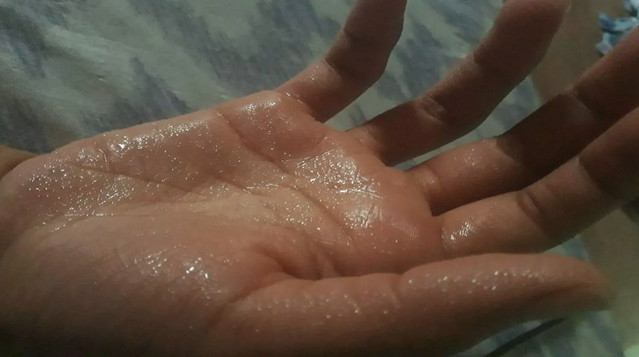
Excessive sweating isn’t always dramatic. Many professionals normalize symptoms until they interfere with daily life.
- Persistent underarm wetness even in air-conditioned rooms
- Sweaty palms or difficulty holding objects
- Frequent clothing changes due to dampness
- Sweat dripping from the face or scalp
- Body odor despite good hygiene
Hyperhidrosis often occurs symmetrically and is unrelated to physical exertion.
Why Professionals Are Especially Vulnerable
Modern work environments create conditions that amplify sweating responses.
High Stress Levels
Stress activates the sympathetic nervous system — the body’s fight-or-flight mechanism — which increases sweat production even without heat. Emotional sweating is particularly common during presentations, interviews, or high-pressure deadlines.
Sedentary Indoor Work
Long hours sitting in synthetic clothing, limited airflow, and prolonged contact with chairs can trap heat and moisture. This creates a micro-environment that encourages sweating even when the surrounding temperature is comfortable.
Performance Anxiety
Public speaking, meetings, and workplace scrutiny can trigger anticipatory sweating. This type of sweating often affects the palms, face, and underarms and may occur suddenly.
Hormonal Causes of Excessive Sweating
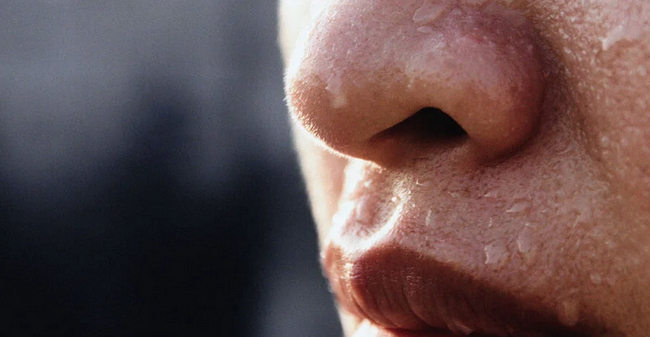
Hormones play a powerful role in regulating body temperature and sweat glands.
Thyroid Imbalance
An overactive thyroid increases metabolism, causing heat intolerance and sweating. Screening for thyroid function is often recommended when sweating is unexplained.
Menopause and Perimenopause
Hot flashes and night sweats are hallmark symptoms of hormonal fluctuations in midlife women. These episodes can occur during the day as well, especially in stressful situations.
Blood Sugar Fluctuations
Low blood sugar can trigger sweating, shakiness, and palpitations. Professionals who skip meals or rely heavily on caffeine may experience these symptoms more frequently.
Medical Conditions That May Cause Sweating
Persistent or generalized sweating should not be ignored.
Possible underlying causes include:
- Diabetes
- Hyperthyroidism
- Neurological disorders
- Infections
- Certain cancers
- Medication side effects
Secondary hyperhidrosis may also result from antidepressants, blood pressure medications, or hormonal treatments.
If sweating begins suddenly, occurs during sleep, or is accompanied by weight loss or fever, medical evaluation is essential.
Practical Strategies to Reduce Excessive Sweating
Lifestyle adjustments are often the first line of management.
Wear Breathable Clothing
Loose-fitting natural fabrics allow airflow and reduce heat buildup. Tight synthetic materials trap moisture and worsen sweating.
Optimize Workplace Environment
Use desk fans, breathable seating, and layered clothing to maintain comfort throughout the day.
Manage Stress
Relaxation techniques such as deep breathing, mindfulness, or brief walks can calm the nervous system and reduce stress-induced sweating.
Modify Diet
Spicy foods, caffeine, and alcohol can trigger sweating episodes. Reducing intake — especially before important meetings — can help.
Maintain Hygiene
Regular bathing and antibacterial cleansers help control odor and skin irritation associated with prolonged moisture.
General measures like avoiding caffeine and wearing loose garments are commonly recommended for hyperhidrosis management.
Effective Treatment Options
If lifestyle changes aren’t enough, medical treatments are available.
Clinical-Strength Antiperspirants
Products containing aluminum salts block sweat ducts and are often the first treatment recommended.
Prescription Medications
Topical or oral anticholinergic medications reduce nerve signals that activate sweat glands. These are typically used for moderate to severe cases.
Botox Injections
Botulinum toxin injections temporarily block nerve signals responsible for sweating, often providing relief for several months.
Medical Devices
Iontophoresis uses mild electrical currents to reduce sweating, particularly for hands and feet.
Products That Can Help with Hyperhidrosis
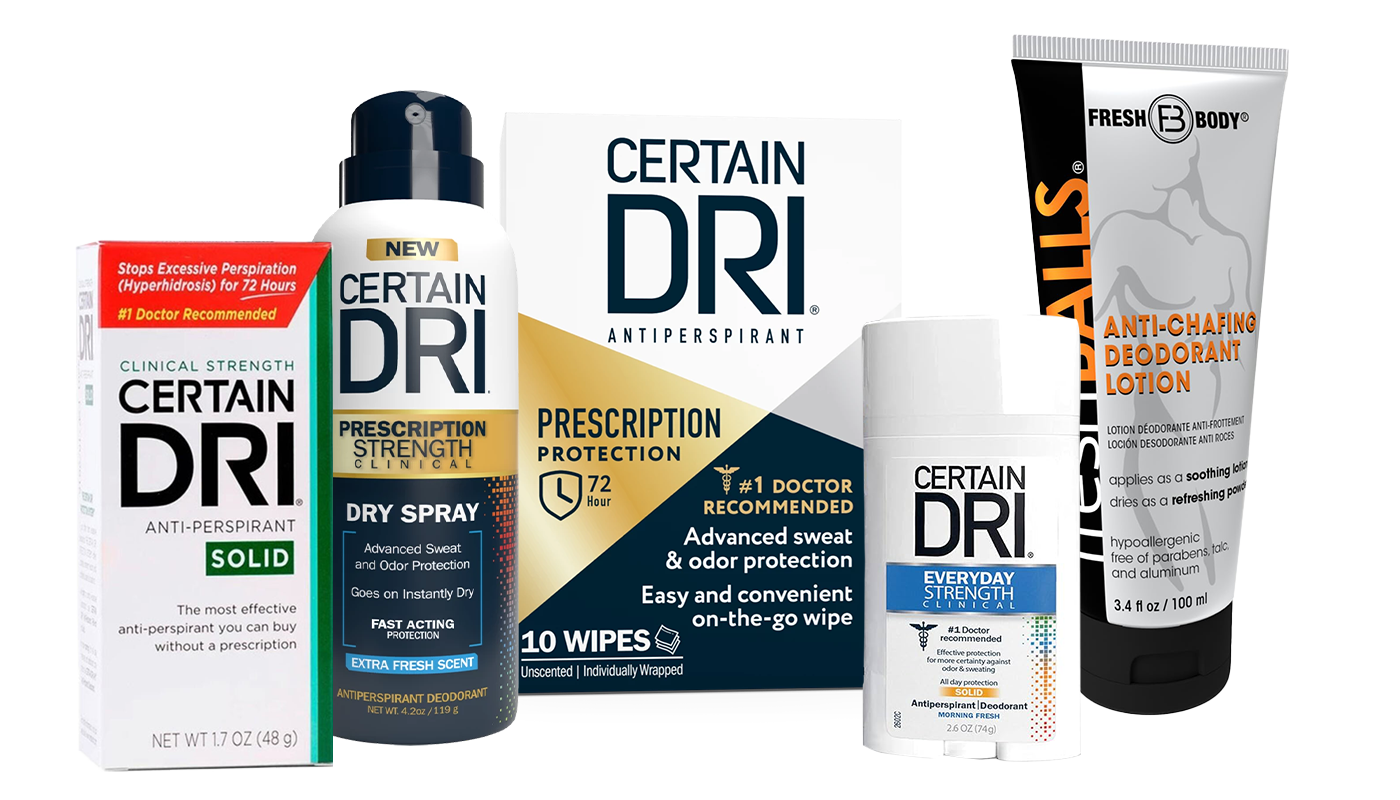
Several pharmacy-available products can support symptom control, comfort, and confidence.
i) Driclor Roll-On Solution 20ml is a highly effective antiperspirant designed for people suffering from excessive sweating (hyperhidrosis). Whether you struggle with sweaty underarms, palms, or feet, Driclor provides long-lasting sweat control, helping you stay dry and confident throughout the day.
ii) Candid Dusting Powder - Absorbent powders keep skin dry, reduce friction, and help prevent irritation or infections caused by prolonged moisture — particularly in underarm or groin areas.
iii) Viridian Nutrition Ashwagandha Capsules - Adaptogenic herbs may support the body’s stress response, potentially reducing stress-induced sweating over time.
When to Seek Medical Advice
Consult a healthcare professional if:
- Sweating interferes with daily activities
- Symptoms begin suddenly or worsen rapidly
- Sweating occurs during sleep
- You experience weight loss, fatigue, or palpitations
- Over-the-counter treatments provide little relief
Doctors may perform tests to identify underlying causes and recommend targeted treatment.
Smart Coping Tips for Busy Professionals
- Keep spare clothing at the office
- Use absorbent underarm pads
- Carry a small towel or wipes
- Schedule important meetings earlier in the day
- Stay hydrated throughout working hours
Monitoring triggers can also help identify patterns and improve symptom control.
Final Thoughts
Excessive sweating in professionals is more than a cosmetic issue — it can affect confidence, productivity, and quality of life. While stress is a common trigger, hormonal fluctuations and medical conditions can also play significant roles.
The good news is that hyperhidrosis is manageable. Combining lifestyle changes, stress reduction, appropriate treatments, and supportive pharmacy products can dramatically improve comfort and confidence.
If symptoms persist or worsen, seeking medical evaluation ensures that underlying causes are addressed and effective long-term solutions are implemented.
FAQs
Q1: Is excessive sweating always caused by stress?
A: No. While stress is a common trigger, hormonal changes, medical conditions, and medications can also cause excessive sweating.
Q2: Can hyperhidrosis be cured?
A: Primary hyperhidrosis often cannot be permanently cured but can be effectively controlled with treatments and lifestyle adjustments.
Q3: Do deodorants help excessive sweating?
A: Deodorants control odor, but antiperspirants reduce sweating by blocking sweat glands.
Q4: When should I worry about excessive sweating?
A: Sudden onset, night sweats, or sweating accompanied by other symptoms warrants medical evaluation.
Q5: Can diet affect sweating?
A: Yes. Spicy foods, caffeine, and alcohol can trigger sweating episodes, especially in sensitive individuals.