Frequent Spitting Up in Babies: Normal Development vs Reflux Issues
by Maroa Noa · 25 Mar 2026

Frequent spitting up is one of the most common concerns among new parents. Seeing milk come back up after nearly every feed can be alarming, leading many caregivers to wonder whether their baby is healthy or suffering from a digestive problem.
In most cases, spitting up is completely normal and part of early infant development. However, when it becomes excessive, painful, or interferes with growth, it may signal gastroesophageal reflux or another medical issue.
Understanding the difference between normal infant regurgitation and problematic reflux is essential for protecting your baby’s comfort, nutrition, and growth.
This comprehensive guide explains why babies spit up, when it is normal, warning signs to watch for, and supportive products available from Pharmily Limited Kenya that may help manage symptoms.
Why Do Babies Spit Up So Often?
Spitting up occurs because an infant’s digestive system is still immature. The muscle at the lower end of the esophagus — called the lower esophageal sphincter — is not yet strong enough to keep stomach contents from flowing backward.
Additionally, babies consume a liquid diet and spend much of their time lying down, both of which make reflux more likely. Air swallowed during feeding can also contribute to regurgitation.
In most healthy infants, spitting up peaks around 2–4 months of age and gradually improves as the baby sits upright, eats solids, and the digestive system matures.
What Is Normal Spitting Up?
Normal spitting up — often called “posseting” — is effortless regurgitation of small amounts of milk without distress. It usually happens shortly after feeding and does not affect the baby’s appetite, growth, or mood.
Typical features of normal spitting up include:
- Small amounts of milk coming up
- No discomfort or crying
- Baby remains happy and alert
- Normal weight gain
- Occurs during or shortly after feeds
- Improves over time
Many pediatricians refer to these infants as “happy spitters” because, despite frequent regurgitation, they appear comfortable and healthy.
When Spitting Up May Indicate Reflux

Gastroesophageal reflux (GER) occurs when stomach contents repeatedly flow back into the esophagus.
While mild reflux is common, more severe cases — sometimes called GERD (gastroesophageal reflux disease) — can cause pain, feeding difficulties, and poor growth.
Signs that spitting up may be problematic include:
- Large or forceful vomiting
- Frequent crying during or after feeds
- Back arching or stiffness
- Refusal to feed or poor appetite
- Poor weight gain
- Persistent coughing or wheezing
- Sleep disturbances due to discomfort
These symptoms suggest irritation of the esophagus or difficulty keeping food down and should be evaluated by a healthcare professional.
Common Causes of Excessive Spitting Up
Several factors can worsen reflux or increase the frequency of spit-ups:
Overfeeding
Feeding larger volumes than the baby’s stomach can hold increases pressure and promotes regurgitation. Babies have very small stomach capacities, especially in the early months.
Swallowing Air During Feeding
Poor latch during breastfeeding or incorrect bottle positioning allows excess air intake, leading to burping and spit-ups.
Lying Flat After Feeding
Gravity helps keep stomach contents down. Placing a baby flat immediately after feeding increases the likelihood of reflux.
Food Sensitivity or Allergy
Cow’s milk protein allergy or intolerance can irritate the digestive tract, causing vomiting, diarrhea, or feeding refusal.
Immature Digestive Motility
Slow stomach emptying or poor coordination of swallowing muscles can contribute to frequent regurgitation.
Products That May Help With Frequent Spitting Up in Babies
Certain pharmacy products can support feeding comfort, digestion, and reflux management. Always consult a pediatric professional before introducing new products.
These formulas are designed to thicken in the stomach or reduce digestive discomfort.
- Nestlé NAN A.R 380g - Nestlé NAN A.R. is a scientifically developed infant formula designed for babies experiencing frequent reflux, spit-ups, or regurgitation. Its thickened texture helps milk stay down, reducing discomfort and improving feeding satisfaction.
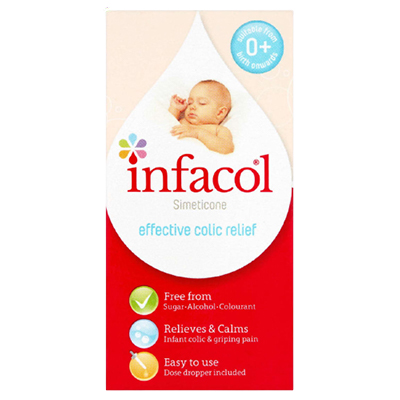
- Infacol Colic Relief Drops -Infacol Colic Relief Drops 55ml are specially formulated to help relieve wind, gas, and colic discomfort in infants. The gentle formula works by breaking down trapped air bubbles in your baby’s tummy, making them easier to pass and reducing pain and fussiness.
- Beta Gripe Water - This is a traditional remedy trusted by parents to help ease common digestive issues in babies. Whether it's colic, hiccups, or gas discomfort, this gentle liquid formula works naturally to calm your baby’s tummy and reduce crying and fussiness—making feeding and sleeping more peaceful.
- BetterYou DLux Infant Vitamin D3 Spray - This is a convenient and effective way to support your baby’s bone and immune health. It delivers 400 IU of high-quality Vitamin D3 per spray, which is essential for maintaining healthy bones, teeth, and a strong immune system in infants.
Practical Feeding Tips to Reduce Spitting Up
Simple adjustments often make a significant difference:
- Feed smaller amounts more frequently
- Keep baby upright during and after feeding (20–30 minutes)
- Burp regularly during feeds
- Ensure proper latch or bottle flow
- Avoid tight diapers or clothing around the abdomen
- Elevate the head of the crib slightly (only if advised — always follow safe sleep guidelines)
Consistency with these strategies can reduce regurgitation episodes over time.
Medical Red Flags That Require Immediate Attention
Seek urgent medical care if your baby shows any of the following:
- Projectile vomiting
- Vomit that is green, yellow, or contains blood
- Signs of dehydration (few wet diapers, dry mouth)
- Failure to gain weight
- Persistent coughing or breathing difficulties
- Extreme irritability or lethargy
- Refusal to feed
These symptoms may indicate conditions beyond simple reflux and require prompt evaluation.
When Do Babies Outgrow Spitting Up?
Most infants improve naturally as their digestive systems mature.
Typical timeline:
- Peak spitting up: 2–4 months
- Improvement begins: 6 months
- Significant reduction: 9–12 months
As babies sit upright, consume solid foods, and develop stronger stomach muscles, reflux usually resolves without treatment.
Frequent spitting up in babies is usually a normal developmental phase rather than a medical problem.
However, distinguishing between harmless regurgitation and reflux-related complications is crucial for ensuring your baby’s comfort and healthy growth.
By understanding feeding patterns, recognizing warning signs, and implementing supportive strategies — including appropriate products available from Pharmily Limited Kenya — caregivers can confidently manage symptoms and know when to seek professional help.
Most importantly, trust your instincts. If something feels unusual or your baby seems distressed, consulting a healthcare provider early can provide reassurance and timely care.
FAQs
Q1: Is it normal for my baby to spit up after every feeding?
Yes. Many healthy infants spit up frequently due to immature digestive systems. If the baby is comfortable and gaining weight, it is usually normal.
Q2: What is the difference between reflux and vomiting?
Reflux involves effortless milk regurgitation, while vomiting is forceful and often accompanied by distress.
Q3: Can changing formula reduce spit-ups?
Yes. Anti-reflux or hypoallergenic formulas may help if intolerance or regurgitation is a factor, but changes should be guided by a healthcare professional.
Q4: Should I stop breastfeeding if my baby spits up a lot?
No. Breastfeeding is still highly beneficial. Adjustments to feeding technique and positioning usually help.
Q5: When should I worry about spitting up?
Seek medical advice if spit-ups are forceful, painful, interfere with feeding, or are associated with poor weight gain or dehydration.