Hairline Thinning in Adults: Stress, Hormonal Imbalance, and Product-Related Causes Explained
by Maroa Noa · 24 Feb 2026
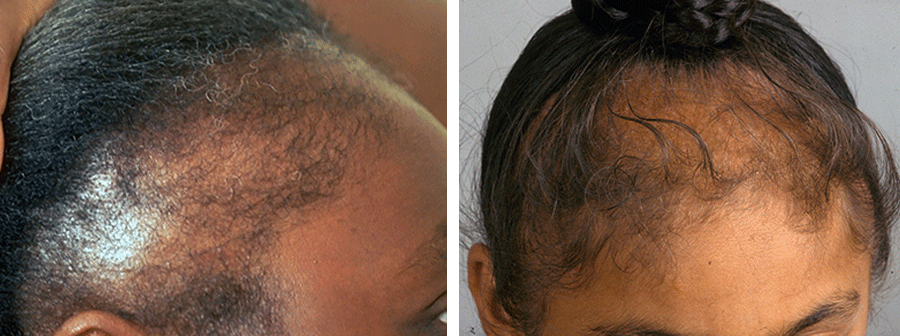
Hairline thinning can be deeply frustrating. One day you’re styling your hair as usual, and the next you notice your edges looking sparse, your part wider, or more hair strands left behind on your pillow.
For many adults in Kenya, hair thinning feels sudden — but in reality, it often develops quietly over time.
Hairline thinning is common, understandable, and in many cases manageable once you know what’s causing it.
In this article, we break down the main causes of hairline thinning in adults, including stress, hormonal changes, and hair product habits.
We’ll also share practical solutions and supportive products available locally to help you restore and protect your hair health.
What Is Hairline Thinning?
Hairline thinning happens when hair around the forehead, temples, or edges becomes finer, weaker, or stops growing altogether. Unlike sudden hair shedding, thinning usually progresses slowly, which makes it easy to ignore until it becomes noticeable.
Hair thinning affects:
- Both men and women
- Young and older adults
- People with natural, relaxed, braided, or chemically treated hair
Understanding the cause is the first step to effective treatment.
Stress and Hairline Thinning: The Silent Trigger
Stress is one of the most underestimated causes of hair loss.
When you’re under prolonged physical or emotional stress — from work pressure, illness, lack of sleep, or major life changes — your body redirects energy away from non-essential functions like hair growth.
How stress affects hair
- Pushes hair follicles into a resting phase
- Causes increased hair shedding weeks or months later
- Weakens hair strands, especially around the hairline
This type of hair loss, often called stress-related shedding, is usually reversible once stress levels are controlled.
Hormonal Imbalance and Hair Thinning
Hormones play a major role in regulating hair growth. When they become imbalanced, hair follicles may shrink or stop producing strong strands.
Common hormonal causes include:
- Pregnancy and post-partum changes
- Menopause
- Polycystic Ovary Syndrome (PCOS)
- Thyroid disorders
- Use or stopping of hormonal contraceptives
Hormonal hair thinning often appears around the hairline and crown and may be accompanied by acne, irregular periods, or weight changes.
Product-Related and Hair Care Causes
Sometimes, the problem isn’t internal — it’s what we put on our hair.
Common product-related causes of hairline thinning
- Frequent use of harsh chemicals and relaxers
- Tight hairstyles like braids, weaves, ponytails, and wigs
- Excessive heat from blow dryers and flat irons
- Products that cause scalp irritation or buildup
Repeated tension and irritation around the edges can lead to traction alopecia, a common cause of hairline thinning in Kenya.
Can Hairline Thinning Be Reversed?
In many cases, yes — especially when addressed early.
What helps most
- Identifying and removing the cause
- Reducing stress and improving sleep
- Gentle hair care routines
- Nutritional and scalp support
Consistency matters more than quick fixes.
Supportive Products Available in Kenya
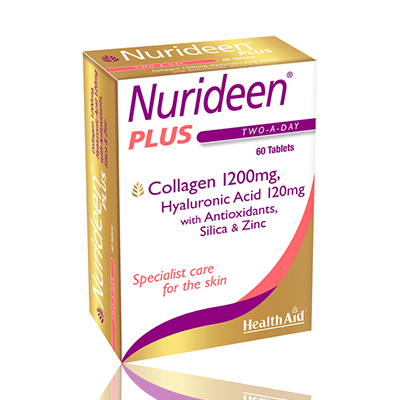
While hair thinning often needs lifestyle and medical evaluation, certain supportive products can help strengthen hair, nourish the scalp, and promote healthy regrowth. Below are products available at Pharmily Limited Kenya that are relevant to this condition.
1. HealthAid Biotin Tablets
Biotin supports keratin production, which is essential for strong hair strands. It helps reduce breakage and supports healthier hair growth over time.
2. HealthAid Zinc Plus Tablets
Zinc plays a key role in hair tissue growth and repair. Deficiency can contribute to hair thinning and poor scalp health.
3. Jamieson Vitamin E Capsules
Vitamin E supports scalp circulation and protects hair follicles from oxidative stress, which can worsen thinning.
4. HealthAid Omega 3 Fish Oil Capsules
Omega-3 fatty acids support scalp hydration, reduce inflammation, and promote healthier hair follicles.
Important: Supplements support hair health but do not replace medical treatment. Always consult a healthcare professional before starting supplements, especially if you have hormonal conditions.
Healthy Hair Habits That Protect the Hairline
- Avoid tight hairstyles and constant tension
- Limit chemical treatments and heat styling
- Keep the scalp clean and moisturised
- Massage the scalp gently to improve circulation
- Eat a balanced diet rich in protein and vitamins
Small daily habits make a big long-term difference.
Hairline thinning in adults is more common than many people realise — and it’s often linked to stress, hormonal imbalance, and hair care habits rather than permanent damage.
With early attention, gentle care, and the right nutritional support, many people can slow down thinning and encourage healthier hair growth. The key is patience, consistency, and addressing the root cause.
FAQs
Q. What is the most common cause of hair thinning in adults?
Stress, hormonal changes, and poor hair care practices are the most common causes.
Q. Can stress alone cause hairline thinning?
Yes. Chronic stress can disrupt the hair growth cycle and lead to noticeable thinning.
Q. Do hair products really cause hair loss?
Some products and tight hairstyles can damage follicles over time, especially around the edges.
Q. How long does it take to see improvement?
Hair regrowth is slow. Most people notice improvement after 3–6 months of consistent care.
Q. When should I see a doctor?
If hair thinning is sudden, severe, or accompanied by other symptoms like fatigue or hormonal changes, medical evaluation is important.