Hidden Sodium Intake and Its Effect on Hypertension Control
by Maroa Noa · 02 Apr 2026
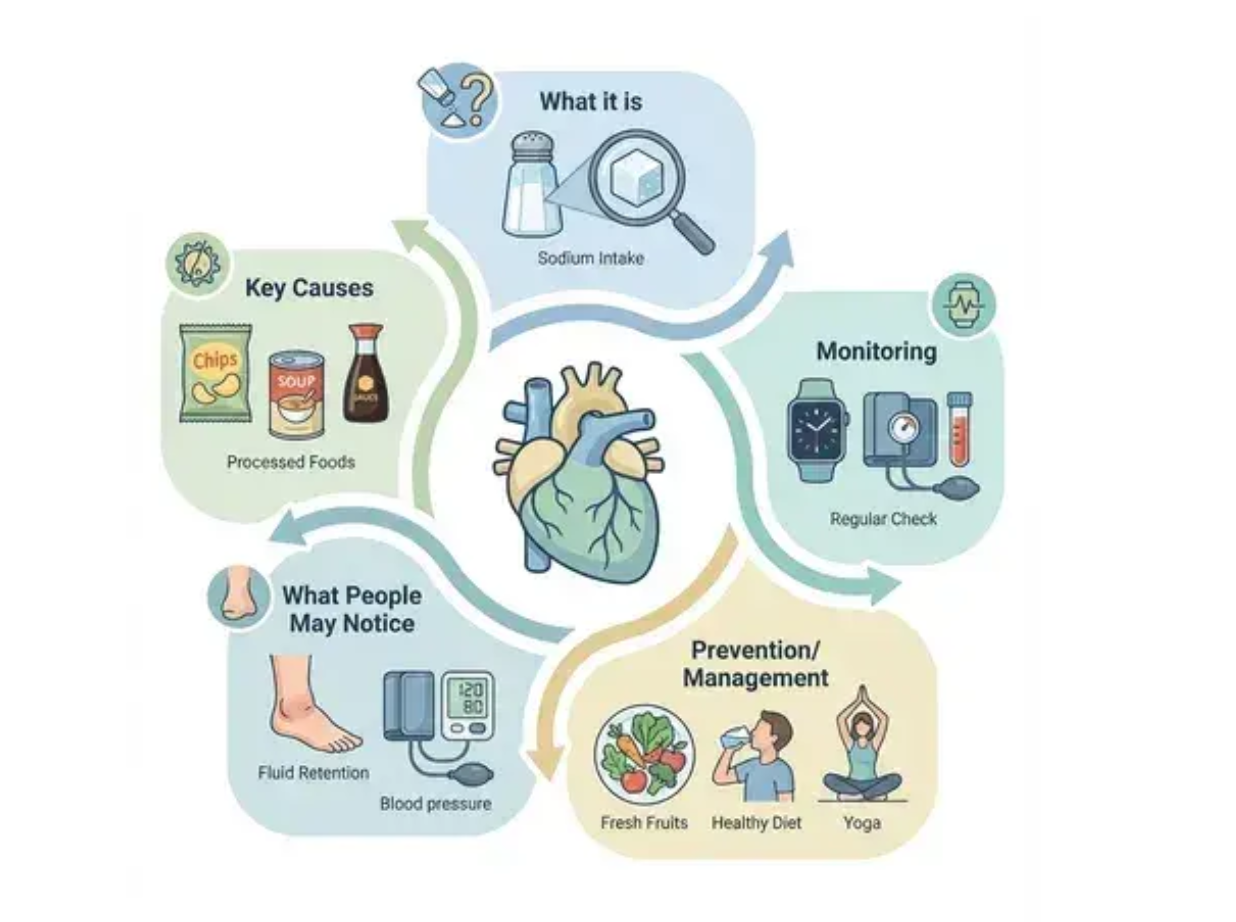
Hypertension, commonly known as high blood pressure, is one of the leading health concerns among adults in Kenya and globally.
While many people are aware that excessive salt intake can raise blood pressure, what often goes unnoticed is hidden sodium — the salt present in everyday foods that do not taste salty.
For individuals trying to manage or prevent hypertension, understanding hidden sodium intake is essential.
Even when you avoid adding salt to your meals, you may still be consuming more than the recommended amount through processed foods, snacks, and condiments.
This article explores how hidden sodium affects blood pressure control, common sources in Kenyan diets, and practical strategies for maintaining a heart-healthy, low-sodium diet.
What Is Sodium and Why Does It Matter?
Sodium is a mineral that plays a vital role in maintaining fluid balance, nerve function, and muscle contraction. However, excessive sodium intake causes the body to retain water, increasing the volume of blood circulating through blood vessels.
This added pressure puts strain on the heart and arteries, leading to elevated blood pressure over time. Persistent high blood pressure increases the risk of serious complications such as heart disease, stroke, and kidney damage.
The World Health Organization (WHO) recommends consuming less than 2,000 mg of sodium per day (approximately 5 grams of salt). Unfortunately, many people exceed this limit without realizing it due to hidden sources in their daily diet.
What Is Hidden Sodium?
Hidden sodium refers to salt that is not immediately obvious in taste or appearance but is present in processed, packaged, or prepared foods. Unlike table salt that you consciously add to meals, hidden sodium is already included during food processing or cooking.
This makes it difficult to track total intake, especially for individuals who believe they are eating a low-salt diet. In Kenya, where urban lifestyles are increasingly shifting toward convenience foods, hidden sodium consumption is steadily rising.
Common Sources of Hidden Sodium in Kenya
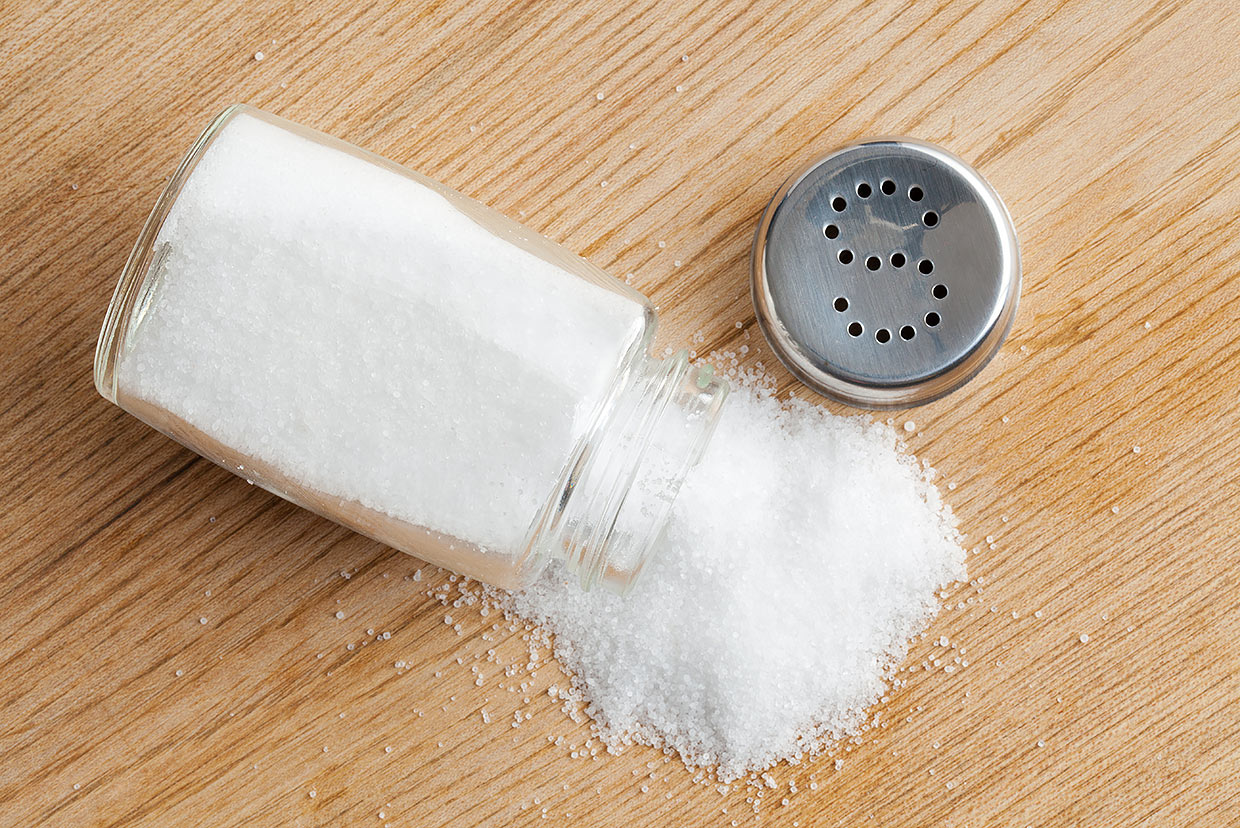
Understanding where sodium hides is the first step toward better hypertension control. Many everyday foods contribute significantly to salt intake without obvious warning signs.
Processed and Packaged Foods
Bread, biscuits, breakfast cereals, and snacks often contain high sodium levels for preservation and flavor enhancement. Even foods that do not taste salty can contribute significantly to daily intake.
Processed Meats
Sausages, smokies, bacon, and deli meats are among the highest sources of sodium. These are commonly consumed in urban areas and can quickly push sodium intake beyond safe levels.
Instant Foods and Seasoning Cubes
Instant noodles, soups, and stock cubes are widely used for convenience and flavor. However, they are heavily loaded with sodium and are a major contributor to excessive salt intake in many Kenyan households.
Condiments and Sauces
Soy sauce, tomato sauce, salad dressings, and chutneys contain hidden salt. These are often added generously without accounting for their sodium content.
Restaurant and Takeaway Meals
Fast foods and restaurant dishes typically contain high levels of salt for taste and preservation. Frequent consumption can significantly increase daily sodium intake.
How Hidden Sodium Affects Hypertension Control
Hidden sodium makes managing blood pressure more difficult because it disrupts even well-intentioned dietary efforts. Individuals may reduce visible salt but still consume excessive sodium unknowingly.
Increased Blood Volume
Excess sodium causes water retention, increasing blood volume and placing additional pressure on blood vessel walls. This leads to persistent elevation in blood pressure levels.
Reduced Effectiveness of Medication
For individuals on antihypertensive medication, high sodium intake can reduce the effectiveness of treatment. This makes blood pressure harder to control despite medication adherence.
Higher Risk of Complications
Uncontrolled sodium intake increases the risk of complications such as stroke, heart attack, and kidney disease. Long-term exposure can also damage blood vessels and reduce their elasticity.
Recommended Salt Intake in Kenya
Health experts recommend limiting salt intake to:
- Less than 5 grams of salt per day (about one teaspoon)
- Equivalent to 2,000 mg of sodium daily
However, studies suggest that many Kenyans consume significantly more than this, largely due to processed foods and seasoning habits.
Practical Strategies to Reduce Hidden Sodium
Reducing sodium intake does not mean sacrificing flavor. With the right approach, you can enjoy delicious meals while protecting your heart health.
Cook More Meals at Home
Preparing meals at home allows you to control the amount of salt used. Use fresh ingredients and avoid relying heavily on processed foods.
Read Food Labels Carefully
Check sodium content on packaged foods. Choose products labeled “low sodium” or “no added salt” whenever possible.
Use Natural Flavor Alternatives
Enhance taste using herbs and spices such as garlic, ginger, turmeric, coriander, and lemon instead of salt. These provide flavor without increasing sodium intake.
Increase Potassium-Rich Foods
Potassium helps balance sodium levels in the body. Foods like bananas, avocados, spinach, and sweet potatoes support blood pressure regulation.
Limit Processed and Fast Foods
Reduce intake of instant meals, processed meats, and takeaway foods. Opt for fresh, whole foods whenever possible.
Stay Hydrated
Drinking enough water helps the body regulate sodium levels and maintain healthy blood pressure.
Products That Support Blood Pressure Control
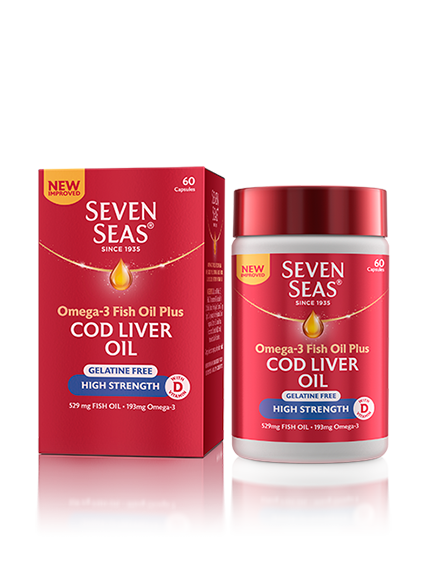
While diet is the primary approach to managing hypertension, certain pharmacy products available at Pharmily Limited Kenya can support overall cardiovascular health when used appropriately.
1. Seven Seas Cod Liver Oil - This supplement provides omega-3 fatty acids, which are known to support heart health and reduce inflammation. Omega-3s may help improve blood vessel function and support healthy blood pressure levels when combined with a balanced diet.
2. Wellman Original Capsules - Wellman Original Capsules contain a blend of vitamins and minerals that support cardiovascular health and energy metabolism. Nutrients such as magnesium and B vitamins play a role in maintaining normal blood pressure.
3. Centrum Advance Multivitamin - Centrum Advance provides essential micronutrients that support overall body function, including heart health. It helps address deficiencies that may contribute to fatigue and poor metabolic balance.
4. Garlic Oil Capsules - Garlic has been widely studied for its potential role in supporting cardiovascular health. Garlic oil supplements may help improve circulation and support healthy blood pressure levels.
5. Omron Blood Pressure Monitor - Monitoring your blood pressure regularly is essential for effective hypertension management. A home blood pressure monitor allows you to track readings and assess how dietary changes, including sodium reduction, impact your health.
When to Seek Medical Advice
Lifestyle changes are powerful, but medical guidance is necessary if:
- Blood pressure remains consistently high
- You experience symptoms such as headaches, dizziness, or chest pain
- You have a family history of hypertension
- Lifestyle changes do not improve your readings
Early intervention helps prevent complications and ensures proper management.
Final Thoughts
Hidden sodium intake is one of the most overlooked barriers to effective hypertension control. Even without adding salt to your meals, processed foods, condiments, and everyday dietary habits can significantly increase sodium consumption.
By becoming more aware of hidden sources, adopting a low-sodium diet, and incorporating heart-healthy habits, individuals in Kenya can better manage their blood pressure and reduce long-term health risks.
Combining dietary awareness with supportive products from Pharmily Limited Kenya and regular monitoring creates a comprehensive approach to maintaining cardiovascular health.
FAQs
Q1: How does hidden sodium affect blood pressure?
A: Hidden sodium increases fluid retention, which raises blood volume and puts pressure on blood vessels, leading to higher blood pressure.
Q2: What foods contain hidden sodium in Kenya?
A: Common sources include bread, processed meats, instant noodles, seasoning cubes, sauces, and fast foods.
Q3: What is the recommended daily salt intake?
A: Less than 5 grams of salt (2,000 mg sodium) per day for adults.
Q4: Can reducing salt lower blood pressure?
A: Yes. Reducing sodium intake can significantly lower blood pressure and improve heart health.
Q5: Do I need a blood pressure monitor at home?
A: Yes. Regular monitoring helps track progress and detect changes early, especially when managing hypertension