Home Medical Devices for Elder Care: What Matters Most for Daily Monitorin
by Maroa Noa · 20 Feb 2026
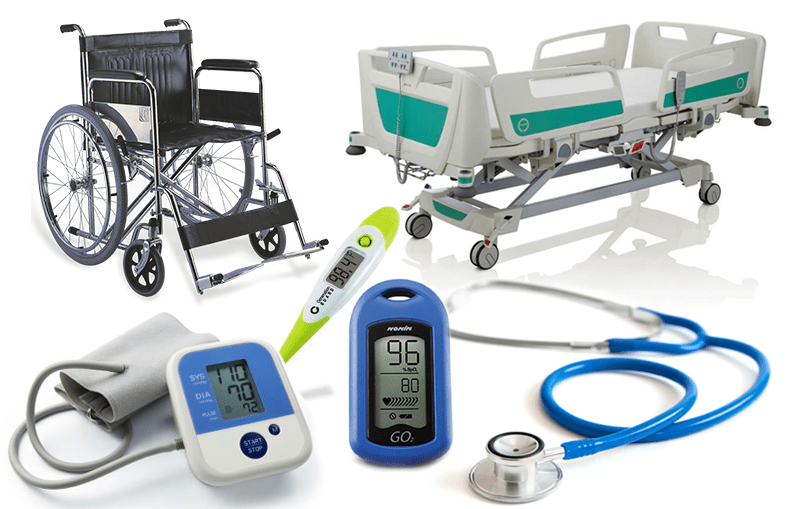
Caring for an elderly loved one at home comes with many responsibilities, and one of the most important is monitoring their health consistently. Frequent hospital visits are not always practical, especially for seniors living with chronic conditions. This is where home medical devices play a critical role.
Today, affordable and easy-to-use home medical devices in Kenya make it possible for caregivers and families to monitor vital signs, detect early warning signs, and support safer aging at home. But with so many options available, how do you know what truly matters?
This guide explains the most important home medical devices for elder care, what to look out for when choosing them, and how they support daily health monitoring.
Why Daily Health Monitoring Is Essential for Older Adults
As people age, their bodies become less resilient to sudden health changes. A small issue like low oxygen levels or high blood pressure can quickly escalate if not detected early.
Daily monitoring helps to:
- Detect health changes before they become emergencies
- Manage chronic conditions such as hypertension, diabetes, and heart disease
- Reduce unnecessary hospital visits
- Provide peace of mind for families and caregivers
Home monitoring does not replace medical care, but it plays a powerful supportive role.
Key Home Medical Devices Every Elderly Household Should Consider
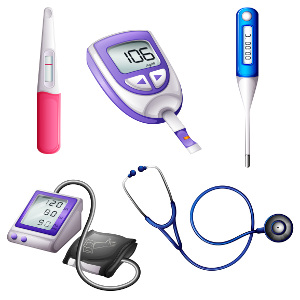
1. Blood Pressure Monitors
High blood pressure is one of the most common conditions affecting older adults. Unfortunately, it often shows no symptoms until complications arise.
A home blood pressure monitor allows:
- Regular tracking of blood pressure trends
- Early detection of dangerously high or low readings
- Better communication with healthcare providers
Consistent monitoring helps doctors adjust treatment safely and effectively.
2. Pulse Oximeters
A pulse oximeter measures oxygen saturation levels and heart rate. This device is especially important for seniors with heart disease, lung conditions, or a history of respiratory illness.
In Kenya, pulse oximeters have become an essential home device due to their role in:
- Detecting low oxygen levels early
- Monitoring recovery from respiratory infections
- Supporting seniors with asthma or chronic lung disease
Low oxygen levels can cause fatigue, confusion, and shortness of breath — often before visible symptoms appear.
3. Glucometers (Blood Sugar Monitors)
For elderly individuals living with diabetes or pre-diabetes, daily blood sugar monitoring is critical.
A home glucometer helps:
- Prevent dangerously high or low blood sugar levels
- Guide dietary and medication decisions
- Reduce diabetes-related complications
When used consistently, glucometers empower seniors to take an active role in managing their condition.
4. Thermometers
A simple digital thermometer remains one of the most important tools in elder care.
Monitoring body temperature helps detect:
- Infections early
- Medication reactions
- Inflammatory conditions
In older adults, infections may present with subtle symptoms, making temperature monitoring especially valuable.
What Matters Most When Choosing Home Medical Devices
Not all medical devices are elderly-friendly. When selecting devices for home use, consider the following:
Ease of Use: Devices should have clear displays, simple buttons, and straightforward instructions.
Accuracy and Reliability: Choose clinically tested devices from trusted pharmacies to ensure dependable readings.
Comfort: Cuffs, probes, and finger sensors should be comfortable, especially for daily use.
Availability of Support: Buying from a reputable pharmacy ensures access to guidance, replacements, and after-sales support.
Reliable Home Medical Devices Available at Pharmily Limited Kenya
Pharmily Limited Kenya offers a range of trusted home medical devices suitable for elder care and daily monitoring. Here are four useful products available:
1. Digital Blood Pressure Monitor
Ideal for daily blood pressure tracking at home, helping seniors manage hypertension safely and consistently.
2. Fingertip Pulse Oximeter
A compact and easy-to-use device for monitoring oxygen saturation and pulse rate, especially valuable for seniors with heart or lung conditions.
3. Blood Glucose Monitoring Kit
Designed for regular blood sugar testing, helping elderly individuals living with diabetes maintain stable glucose levels.
4. Digital Thermometer
Accurate and fast temperature readings help detect infections or reactions early, supporting timely medical care.
Important: Always follow instructions carefully and consult a healthcare professional if readings are abnormal or symptoms worsen.
How Home Monitoring Improves Quality of Life for Seniors
When used correctly, home medical devices:
- Promote independence and confidence
- Reduce anxiety for families
- Encourage early medical intervention
- Support ageing safely at home
They also strengthen communication between caregivers and healthcare providers by providing real-time health data.
Home medical devices are no longer optional extras in elder care — they are essential tools for safe, dignified aging. By choosing the right devices and using them consistently, families can detect problems early, manage chronic conditions better, and improve overall quality of life.
Whether it’s monitoring blood pressure, oxygen levels, or blood sugar, daily home health monitoring empowers seniors and protects those who care for them.
FAQs
Q. Are home medical devices accurate enough for elderly care?
Yes, when purchased from reputable pharmacies and used correctly, they provide reliable readings for daily monitoring.
Q. How often should elderly adults check their vital signs?
This depends on their health condition. Some may need daily checks, while others may monitor weekly. A doctor can advise appropriately.
Q. Is a pulse oximeter necessary for all seniors?
Not for everyone, but it is highly recommended for seniors with heart, lung, or respiratory conditions.
Q. Can home monitoring replace hospital visits?
No. Home devices support monitoring but do not replace medical check-ups or emergency care.