Home STI Testing vs. Clinic Testing in Kenya: Which Should You Choose?
by Maroa Noa · 11 Jun 2026
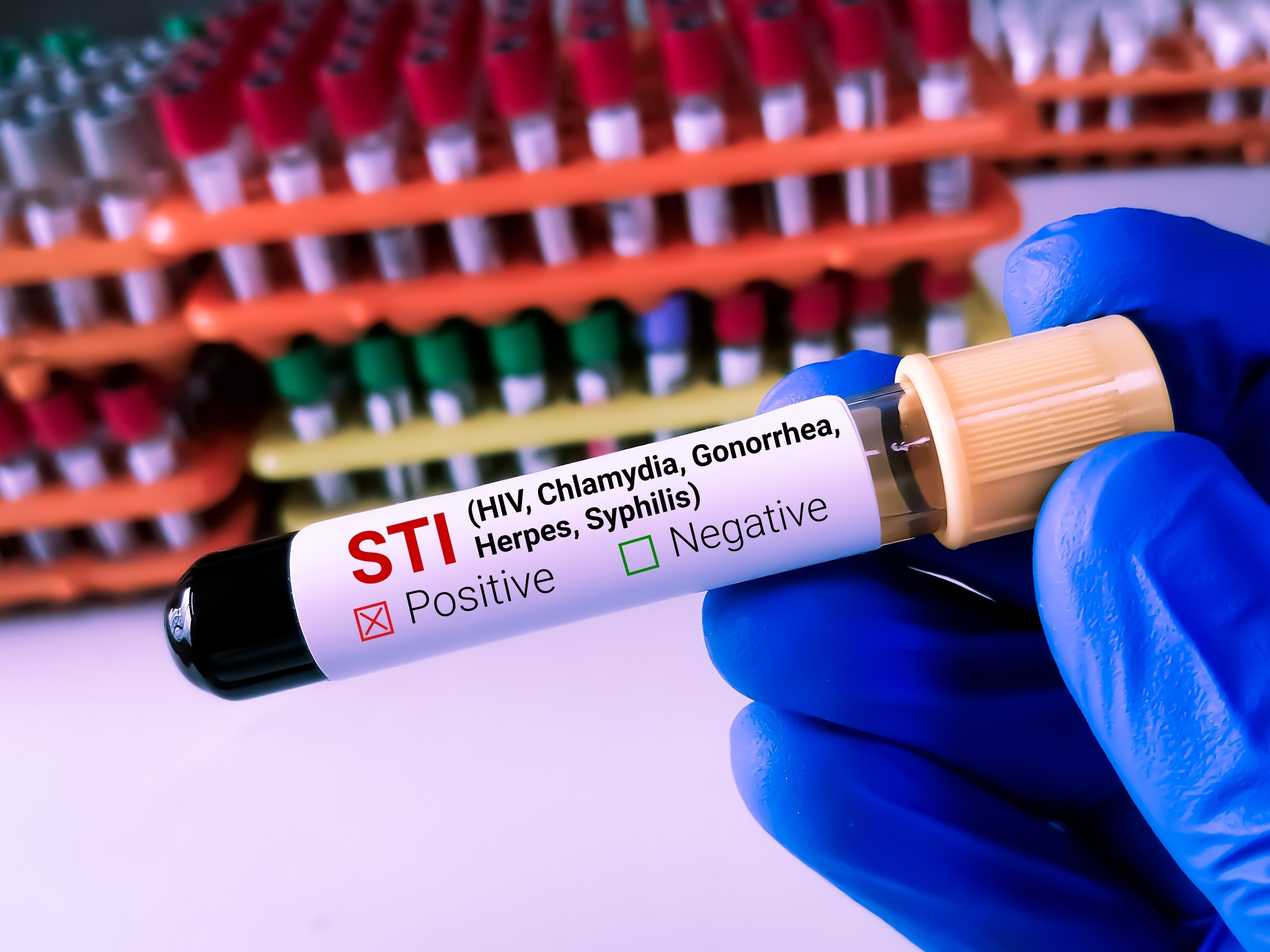
Taking Charge of Your Sexual Health, Privately or In-Person
Let's address the elephant in the room first: talking about STI testing can feel awkward, even in 2026. Whether it's the fear of judgement, the discomfort of a clinic visit, or simply not knowing where to start, many people delay getting tested far longer than they should, sometimes for years.
The good news is that you now have more options than ever. Home STI testing kits are increasingly available in Kenya, offering a private, convenient way to check your sexual health from home. At the same time, clinic-based testing remains a trusted, comprehensive option with the added benefit of professional support.
So which one is right for you? The honest answer is it depends on your situation, your comfort level, and what you're testing for. This guide breaks down both options clearly, with no judgement and no jargon — so you can make the choice that's right for you.
Why Regular STI Testing Matters
Before comparing the two options, it's worth a quick reminder of why testing matters in the first place.
Many sexually transmitted infections — including chlamydia, gonorrhoea, and even HIV in its early stages — often show no visible symptoms. This means you can carry and unknowingly transmit an infection without ever feeling unwell.
Regular testing is one of the most effective tools for protecting your own health and your partners' health. The Kenya Ministry of Health and global health bodies like the WHO recommend regular STI screening for sexually active individuals, particularly those with new or multiple partners.
What Is Home STI Testing?
Home STI testing involves using a self-test kit to collect a sample, typically blood (via finger-prick), urine, or a swab in the privacy of your own home. Depending on the kit, you may do either of the following:
- Read the result yourself within minutes (similar to a pregnancy test), or
- Send the collected sample to a laboratory and receive results digitally or via SMS within a few days
Home test kits are available for a range of infections, with HIV self-test kits being the most widely available and accessible in Kenya. Kits for other STIs such as chlamydia, gonorrhoea, and syphilis are increasingly available through pharmacies and online health platforms, though availability can vary by provider.
How Home Testing Works (General Process)
- Order or purchase your kit from a licensed pharmacy or online health platform
- Follow the included instructions carefully — this usually involves a finger-prick blood sample, urine sample, or oral swab
- Read the result yourself (for rapid kits) or mail the sample to a partner laboratory (for lab-based kits)
- Receive your results either immediately or within a few days, often with access to follow-up support or counseling if needed
What Is Clinic-Based STI Testing?
Clinic testing involves visiting a healthcare facility, a hospital, a private clinic, or a specialised sexual health clinic where a trained healthcare professional collects your sample and oversees the testing process.
How Clinic Testing Works (General Process)
- Book or walk in for an appointment at a clinic, hospital, or VCT (Voluntary Counselling and Testing) center
- Have a brief consultation, where you can discuss symptoms, concerns, or specific tests you'd like
- Provide a sample — blood draw, urine, or swab, depending on the test
- Receive counselling, especially for HIV testing, both before and after the test
- Get your results, either the same day (for rapid tests) or within a few days (for lab-based tests), along with a clear treatment plan if needed
Many public health facilities in Kenya offer free or heavily subsidised HIV testing and counselling, while private clinics offer a broader range of STI panels at a cost.
Home Testing vs. Clinic Testing: A Side-by-Side Comparison
|
Factor |
Home Testing |
Clinic Testing |
|
Privacy |
High — test discreetly at home |
Moderate — requires visiting a facility |
|
Convenience |
Test on your own schedule |
Requires travel and appointment time |
|
Range of tests available |
Often limited to specific infections (e.g., HIV, sometimes chlamydia/gonorrhea) |
Comprehensive — full STI panels available |
|
Professional guidance |
Limited or none, unless paired with telehealth support |
In-person counselling before and after testing |
|
Immediate treatment access |
Not available — requires follow-up visit if positive |
Often available same-day, especially in clinics |
|
Cost |
Varies by kit and provider |
Varies; some public facilities offer free HIV testing |
|
Accuracy considerations |
Generally reliable when used correctly, but user error can affect results |
Performed by trained professionals, reducing user error |
|
Best for |
Routine check-ups, privacy-focused individuals, and those retesting after a known exposure |
First-time testers, those with symptoms, those needing a full STI panel or treatment |
The Pros and Cons of Home STI Testing
Pros
- Privacy and discretion — no need to explain why you're at a clinic or risk being seen by someone you know
- Convenience — test at a time and place that works for you
- Reduced stigma barrier — for many people, the fear of judgment is the biggest obstacle to getting tested at all. Home testing removes that barrier entirely
- Good for routine monitoring — useful for people who test regularly as part of an ongoing sexual health routine
Cons
- Limited scope — most home kits test for one or a small number of infections, not a comprehensive panel
- No immediate professional support — if your result is positive, you'll still need to follow up with a healthcare provider for confirmation and treatment
- Risk of user error — incorrect sample collection or misreading results can affect accuracy
- Emotional support gap — receiving a positive result alone, without counselling, can be difficult for some people
The Pros and Cons of Clinic-Based STI Testing
Pros
- Comprehensive testing — clinics can test for a wide range of STIs in a single visit
- Professional accuracy — samples are collected and processed by trained staff, minimizing user error
- Immediate next steps — if you test positive, treatment or referral can often begin right away
- Counselling and support — particularly valuable for first-time testers or those processing a new diagnosis
- Access to additional services — such as contraception advice, vaccinations (e.g., HPV), and reproductive health consultations
Cons
- Privacy concerns — some people feel uncomfortable being seen at a clinic, particularly in smaller communities
- Time commitment — requires travel, waiting times, and scheduling around clinic hours
- Cost — private clinic panels can be more expensive than a single home test kit, though public facilities often offer free or low-cost options
Which Option Should You Choose?
There's no universally "better" option—it genuinely depends on your circumstances. Here's a general guide:
Consider home testing if:
- You've been tested before and are doing routine follow-up testing
- Privacy is your primary concern
- You're testing for HIV specifically and want a quick, confidential result
- You have a busy schedule, and clinic visits are difficult to arrange
Consider clinic testing if:
- This is your first time getting tested
- You're experiencing symptoms (unusual discharge, sores, pain, etc.)
- You want a comprehensive STI panel covering multiple infections
- You'd value in-person counselling, especially around a new diagnosis
- You may need immediate treatment if the result comes back positive
A combined approach
Many people find that a combined approach works best: using home testing for routine, ongoing monitoring while periodically visiting a clinic for a comprehensive panel – especially after a new partner, a known exposure, or when any symptoms appear.
Where to Access Home STI Testing and Clinic Services in Kenya
Home Testing Kits
HIV self-test kits are increasingly available at licensed pharmacies across Kenya, including through online pharmacy platforms that offer discreet, home-delivered packaging. When purchasing a kit, look for:
- Kits approved by the Kenya Pharmacy and Poisons Board
- Clear instructions and an in-date expiry
- Access to a helpline or support service in case of a positive result
If you're unsure which kit is appropriate for your needs, licensed pharmacists — many of whom offer guidance via phone or WhatsApp — can help point you in the right direction.
Clinic and VCT Services
- Public hospitals and health centres across Kenya offer free HIV testing and counselling (HTC) services through the Ministry of Health Programmes.
- Private hospitals and clinics (such as Aga Khan, Nairobi Hospital, MP Shah, and various Marie Stopes Kenya clinics) offer comprehensive STI panels, often with same-day results
- Stand-alone VCT centers, found in most major towns, offer free or low-cost confidential testing and counselling specifically for HIV
If cost is a concern, public facilities and NGO-run clinics (such as those operated by LVCT Health or Marie Stopes) often provide free or subsidised testing for a range of STIs.
When it comes to sexual health, the "best" testing method is ultimately the one that gets you tested in the first place. If the idea of a clinic visit is what's been holding you back, a home test kit might be exactly the bridge you need to start taking charge of your health today.
If you're experiencing symptoms or want full peace of mind with a comprehensive panel, a clinic visit offers depth and support that home testing can't fully replace.
Whichever path you choose, the most important step is simply this: get tested, know your status, and take it from there. Your health and your peace of mind are worth it.
FAQs
Q: Are home STI test kits accurate? When used correctly and within their expiry date, home test kits — particularly HIV self-test kits — can provide reliable preliminary results. However, a positive result from a home test should always be confirmed through a follow-up test at a clinic or laboratory, as recommended by the kit manufacturer and health authorities.
Q: Is home STI testing legal and available in Kenya? Yes. HIV self-testing has been formally supported by Kenya's Ministry of Health as part of national efforts to increase testing rates, and self-test kits are available through licensed pharmacies. Availability of home kits for other STIs varies, so it's worth checking with a licensed pharmacy or online health provider.
Q: How much does STI testing cost in Kenya? Costs vary significantly. Public hospitals and VCT centres often provide free HIV testing and counselling. Private clinics charge for comprehensive STI panels, with prices depending on the number of infections tested and the facility. Home test kits are typically priced individually and available through pharmacies.
Q: What should I do if my home test result is positive? A positive result from a home test should be followed up with a confirmatory test at a clinic or hospital. Many home test kits include information on nearby facilities or helplines to support this next step. Early confirmation and, where needed, treatment are important for your health and for preventing further transmission.
Q: Can I get tested for multiple STIs at once? Comprehensive STI panels — testing for multiple infections such as chlamydia, gonorrhoea, syphilis, and HIV in one visit — are typically only available through clinic-based testing. Most home kits test for a single infection or a limited combination.
Q: Is clinic-based testing confidential? Yes. Healthcare providers in Kenya are bound by patient confidentiality regulations. VCT centres and most clinics are designed to protect your privacy, and many offer separate, discreet entry points or scheduling specifically for sexual health services.
Q: How often should I get tested? This depends on your individual circumstances, including the number of partners and whether you or your partner(s) have other partners. As a general guideline, sexually active individuals with new or multiple partners are often advised to test every 3–6 months. A healthcare provider can offer guidance tailored to your situation.
Q: Do I need to fast or prepare before an STI test? Generally, no special preparation is required for most STI tests. However, if your test is part of a broader health check that includes other blood work, your healthcare provider may give specific instructions in advance