Hormonal Contraception Side Effects That Affect Daily Comfort in Kenya
by Maroa Noa · 10 Jun 2026
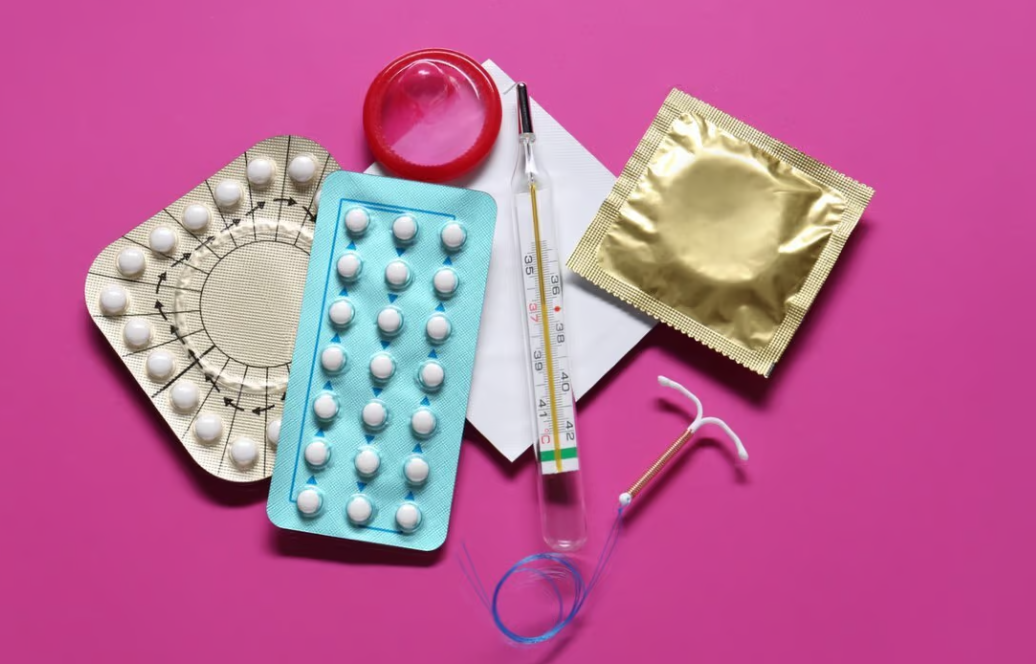
Hormonal contraceptives are among the most widely used family planning methods in Kenya.
They are highly effective at preventing unintended pregnancies and are available in several forms, including contraceptive pills, injections, implants, patches, vaginal rings, and hormonal intrauterine devices (IUDs).
Like any medication, hormonal contraceptives can cause side effects. The most common include irregular bleeding, headaches, nausea, breast tenderness, mood changes, bloating, acne, and changes in sexual desire.
While these symptoms can affect daily comfort, most are temporary and improve within the first few months as the body adjusts to hormonal changes.
Understanding these side effects can help women make informed decisions, reduce unnecessary anxiety, and improve long-term satisfaction with their chosen contraceptive method.
Key Takeaways
- Most hormonal contraceptive side effects are mild and temporary.
- Irregular bleeding and spotting are among the most common complaints.
- Different contraceptive methods have different side effect profiles.
- Most symptoms improve within 1–3 months of starting a new method.
- A healthcare professional should always evaluate severe symptoms.
- There are multiple family planning options available if one method does not suit you.
Hormonal Contraception in Kenya: Why This Topic Matters
Family planning remains a key component of reproductive healthcare in Kenya. According to Kenya Demographic and Health Survey data cited by UNFPA, Kenya's modern contraceptive prevalence rate increased from 53% in 2014 to 57% in 2022, reflecting growing use of modern family planning methods among women.
The Ministry of Health continues to expand access to contraceptive services through healthcare facilities, pharmacies, and community health programmes.
Newer options such as self-injectable contraceptives have further improved accessibility for women across the country.
As contraceptive use increases, so does the need for accurate information about side effects and how to manage them.
What Is Hormonal Contraception?
Hormonal contraception prevents pregnancy by using synthetic versions of naturally occurring reproductive hormones.
These hormones work by:
- Preventing ovulation
- Thickening cervical mucus
- Thinning the uterine lining
- Reducing sperm movement through the reproductive tract
Common hormonal contraceptives available in Kenya include:
- Combined oral contraceptive pills
- Progestin-only pills (mini-pill)
- Injectable contraceptives
- Contraceptive implants
- Hormonal IUDs
- Contraceptive patches
- Vaginal rings
Why Do Hormonal Contraceptives Cause Side Effects?
Hormones affect multiple systems throughout the body, not just the reproductive organs.
When hormone levels change, some women may experience temporary symptoms affecting:
- Menstrual cycles
- Mood regulation
- Breast tissue
- Skin health
- Appetite
- Sleep patterns
- Fluid balance
The adjustment period typically lasts several weeks to a few months. During this time, side effects are often most noticeable.
What Are the Most Common Hormonal Contraceptive Side Effects?
The most common hormonal contraceptive side effects include:
- Irregular bleeding or spotting
- Headaches
- Nausea
- Breast tenderness
- Mood changes
- Bloating
- Fatigue
- Acne or skin changes
- Changes in libido
- Menstrual cycle changes
Most symptoms improve as the body adapts to hormonal changes.
Common Hormonal Contraceptive Side Effects That Affect Daily Comfort
1. Irregular Bleeding and Spotting
Irregular bleeding is one of the most common reasons women become concerned after starting hormonal contraception.
What It Looks Like
- Spotting between periods
- Unexpected bleeding
- Prolonged bleeding
- Missed periods
- Very light periods
- No periods at all
Impact on Daily Life
Unexpected bleeding may affect:
- Work productivity
- School attendance
- Travel plans
- Exercise routines
- Social confidence
Many women discontinue contraception because they assume irregular bleeding indicates a health problem. However, it is often a normal adjustment effect during the first few months.
Community experiences shared online also commonly report spotting and prolonged bleeding shortly after starting birth control, often improving within a few months.
When to Seek Medical Advice
Consult a healthcare professional if:
- Bleeding becomes extremely heavy
- You pass large blood clots
- Symptoms persist beyond several months
- You experience dizziness or weakness
2. Headaches
Hormonal fluctuations can affect blood vessels and brain chemicals involved in pain regulation.
Symptoms
- Mild headaches
- Tension headaches
- Migraine worsening in some individuals
Daily Impact
Headaches may interfere with:
- Concentration
- Work performance
- Sleep quality
- Physical activity
Most headaches improve after the adjustment period. Persistent or severe headaches require medical evaluation.
3. Nausea and Digestive Discomfort
Some women experience nausea when starting contraceptive pills or other hormonal methods.
Common Symptoms
- Upset stomach
- Mild nausea
- Reduced appetite
- Occasional vomiting
Practical Tips
- Take pills after meals.
- Take contraceptives at the same time each day.
- Drink adequate water.
- Avoid skipping meals.
Nausea often resolves naturally within a few weeks.
Side Effects of Contraceptive Pills
Combined oral contraceptive pills contain oestrogen and progestin, while mini-pills contain only progestin.
Common Side Effects
- Spotting
- Nausea
- Breast tenderness
- Headaches
- Mood changes
Benefits
Some users experience:
- Reduced menstrual cramps
- More predictable periods
- Improved acne
WHO notes that changes in bleeding patterns, headaches, nausea, mood changes, and breast tenderness are among the most commonly reported side effects.
Side Effects of Injectable Contraceptives
Injectable contraceptives remain popular in Kenya due to their convenience and effectiveness.
Common Side Effects
- Irregular bleeding
- Missed periods
- Delayed return to fertility after stopping
- Weight changes
- Mood changes
Daily Comfort Considerations
Many women appreciate the convenience of injections every few months, but may find unpredictable bleeding frustrating.
Side Effects of Contraceptive Implants
Implants provide long-term pregnancy prevention for several years.
Common Side Effects
- Irregular spotting
- Headaches
- Acne
- Breast tenderness
- Mood changes
Benefits
- Highly effective
- Long-lasting
- Requires little maintenance
Side Effects of Hormonal IUDs
Hormonal IUDs release a small amount of progestin directly into the uterus.
Common Side Effects
- Cramping after insertion
- Spotting
- Lighter periods
- No periods over time
Many women consider reduced menstrual bleeding one of the main advantages of hormonal IUDs.
Can Hormonal Contraception Cause Weight Gain?
Weight gain remains one of the most common concerns among contraceptive users.
Current evidence suggests that most users do not experience significant long-term weight gain. However, some women report:
- Increased appetite
- Temporary water retention
- Minor weight fluctuations
Weight changes vary significantly from person to person.
Mood Changes and Emotional Well-being
Some women report:
- Irritability
- Mood swings
- Anxiety
- Emotional sensitivity
Hormones can influence neurotransmitters involved in mood regulation. However, responses vary widely between individuals. A method that causes mood changes in one person may not affect another at all.
When Should You Seek Medical Attention?
Seek Immediate Medical Care If You Experience the Following:
- Severe chest pain
- Sudden shortness of breath
- Vision changes
- Severe headaches
- Significant leg swelling
- Extremely heavy bleeding
Although serious complications are uncommon, prompt medical assessment is important.
Tips for Managing Contraceptive Side Effects
- Give your body at least 2–3 months to adjust.
- Track symptoms using a health app or journal.
- Stay hydrated and maintain a balanced diet.
- Get adequate sleep.
- Attend follow-up appointments.
- Discuss persistent symptoms with a pharmacist or healthcare provider.
- Consider switching methods if side effects significantly affect quality of life.
Medical Review & Trust Information
This article is intended for educational purposes only and should not replace professional medical advice, diagnosis, or treatment. Hormonal contraceptive side effects vary between individuals. Always consult a qualified healthcare professional before starting, stopping, or changing any contraceptive method.
FAQs
- Do contraceptive pills cause weight gain?
Most women do not experience significant long-term weight gain, although appetite changes and fluid retention may occur.
- Is irregular bleeding normal after starting birth control?
Yes. Spotting and irregular bleeding are among the most common early side effects and often improve within several months.
- Can hormonal contraception affect mood?
Some women experience mood changes, irritability, or emotional sensitivity, while others notice no changes.
- How long do contraceptive side effects last?
Many side effects improve within 1–3 months as the body adapts to hormonal changes.
- Which family planning method has the fewest side effects?
There is no single best option for everyone. The most suitable method depends on individual health needs and preferences.
- Can I switch contraceptive methods if I experience side effects?
Yes. A healthcare professional can help identify a more suitable alternative