Hyperacidity and GERD: Causes, Symptoms, Treatment, and Prevention
by Maroa Noa · 17 Dec 2025
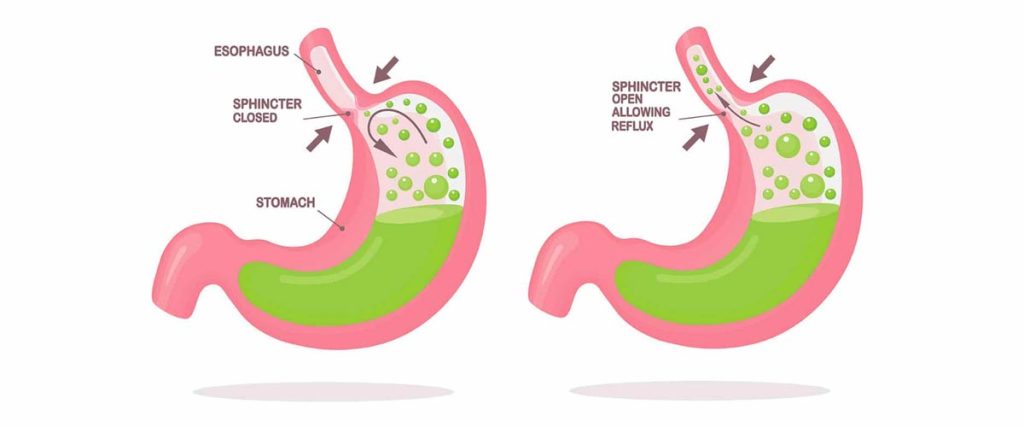
Hyperacidity and Gastroesophageal Reflux Disease (GERD) are increasingly common digestive problems affecting millions of people worldwide.
These conditions can interfere with daily comfort, disrupt sleep, and reduce productivity. Understanding what triggers them and how to control them can significantly improve quality of life.
In this detailed guide, you will learn the causes, symptoms, treatments, and practical lifestyle changes that offer long-term relief.
What is Hyperacidity?
Hyperacidity occurs when the stomach produces excess acid, leading to discomfort and irritation of the stomach lining. The condition often presents with burning sensations, bloating, and frequent belching.
Although usually temporary, untreated hyperacidity may progress into more severe digestive issues.
Moreover, hyperacidity affects individuals of all ages. Stress, poor eating habits, and prolonged hunger frequently worsen the symptoms.
While medication helps, lifestyle adjustments provide long-term protection.
What is GERD?
Gastroesophageal Reflux Disease (GERD) is a chronic digestive disorder where stomach acid repeatedly flows back into the esophagus.
The backward flow irritates the esophageal lining and causes persistent discomfort. Unlike occasional heartburn, GERD requires ongoing management and medical evaluation.
Many people confuse GERD with simple acid reflux. However, GERD lasts longer, appears more frequently, and often requires long-term treatment.
Without proper care, GERD may lead to complications such as ulcers or esophageal inflammation.
Key Differences Between Hyperacidity and GERD
Understanding the difference helps in choosing the right treatment approach.
- Hyperacidity is mostly temporary and caused by increased acid in the stomach.
- GERD is a chronic condition resulting from acid entering the esophagus due to weak sphincter muscles.
- Hyperacidity improves quickly with diet and antacids.
- GERD may require long-term lifestyle adjustments and stronger medication.
Although the two conditions relate to stomach acid, they differ in duration, severity, and long-term impact.
Common Causes of Hyperacidity and GERD
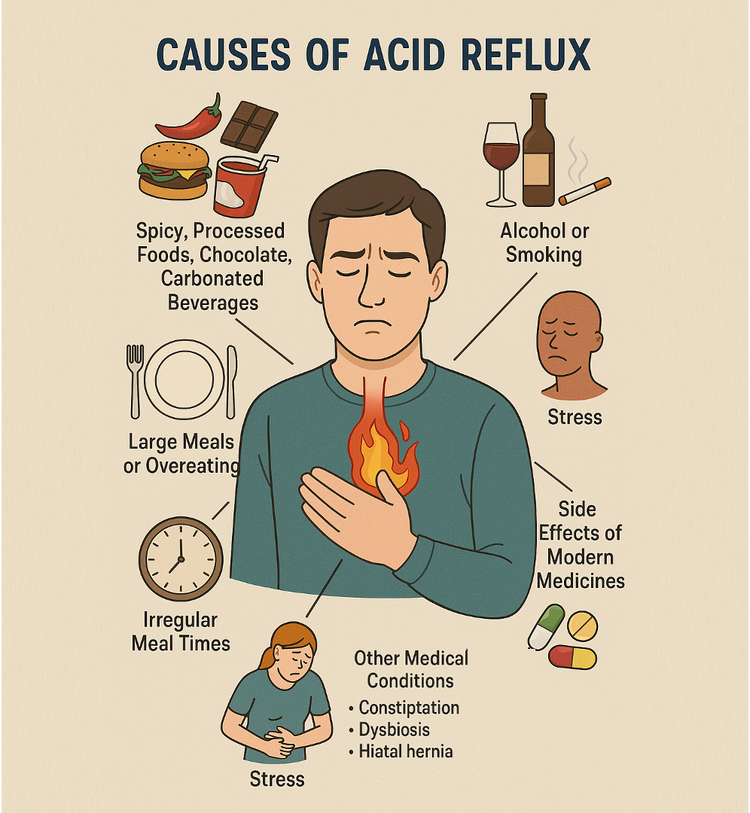
1. Poor Eating Habits
Skipping meals, eating late at night, or consuming large portions increases acid production. Fatty meals and fast food also strain the digestive system. Over time, these habits may weaken the esophageal sphincter, making reflux more likely.
2. Trigger Foods
Some foods increase stomach acid significantly. Spicy dishes, citrus fruits, coffee, carbonated drinks, and alcohol commonly trigger symptoms. Individuals with GERD often react strongly to chocolate and tomato-based meals as well.
3. Stress and Anxiety
High stress levels affect digestion and increase acid secretion. When stress becomes chronic, the digestive muscles tense up, slowing the movement of food and worsening reflux.
4. Obesity
Excess weight places pressure on the stomach and pushes acid upward. As weight increases, so does the risk of GERD. Maintaining a healthy BMI often improves symptoms dramatically.
5. Medications
Painkillers, anti-inflammatory drugs, and certain antibiotics may irritate the stomach. Long-term use of these medications may worsen hyperacidity or cause reflux.
Symptoms of Hyperacidity and GERD
Hyperacidity Signs
- Burning sensation in the stomach
- Gas, bloating, and belching
- Sour taste in the mouth
- Nausea after meals
These symptoms often appear suddenly and worsen after consuming spicy or acidic foods.
GERD Symptoms
- Heartburn that worsens at night
- Food or liquid regurgitation
- Chest discomfort after eating
- Persistent cough or sore throat
- Difficulty swallowing (in severe cases)
GERD symptoms usually appear more frequently and last longer than hyperacidity episodes.
Diagnosis
Doctors diagnose these conditions through a combination of symptom evaluation and clinical tests.
Endoscopy, pH monitoring, and X-rays help confirm GERD. Hyperacidity is often diagnosed based on symptoms alone unless complications arise.
Treatment Options for Hyperacidity and GERD
1. Antacids
Doctors commonly recommend antacids like; Neo Tablets 90's and Allucid Syrup 100mL for quick relief. These medicines neutralize stomach acid within minutes. However, they only provide temporary comfort and do not treat GERD at its root.
2. Proton Pump Inhibitors (PPIs)
PPIs like BAROLE 20 Capsules reduce acid production and are effective for long-term GERD management. Drugs like omeprazole and pantoprazole fall in this category. They help heal inflamed esophageal tissue over time.
3. H2 Blockers
H2 blockers such as ranitidine and famotidine reduce acid levels for several hours. People with nighttime symptoms particularly benefit from these medications.
4. Lifestyle Modification
Lifestyle changes are the most reliable long-term solution. Maintaining a healthy diet, reducing stress, and adjusting eating schedules help significantly. Elevating the head while sleeping reduces nighttime reflux episodes.
5. Surgery (For Severe GERD)
When GERD becomes severe or medication stops working, surgery offers a permanent solution. Procedures like fundoplication strengthen the esophageal sphincter and stop acid reflux.
Best Diet for Hyperacidity and GERD
Foods to Eat
- Oatmeal
- Non-citrus fruits
- Lean meats
- Vegetables
- Ginger
- Herbal teas
These foods reduce irritation and support digestion.
Foods to Avoid
- Coffee and carbonated drinks
- Fatty or fried meals
- Citrus fruits
- Tomatoes
- Spicy foods
- Chocolate
Avoiding these foods helps reduce flare-ups and improves digestion gradually.
Natural Remedies for Relief
Aloe Vera Juice
Aloe soothes the digestive system and reduces inflammation. Drinking small amounts before meals may prevent discomfort.
Warm Water Therapy
Warm water helps dilute stomach acid and improves bowel movement. Taking it early in the morning often brings relief.
Bananas
Bananas have natural antacid properties. They help coat the stomach lining and prevent burning sensations.
Ginger
Ginger reduces acidity and improves digestion. Adding ginger tea to your morning routine offers steady relief.
Complications If Untreated
Ignoring persistent symptoms may lead to serious complications.
Esophagitis, ulcers, and esophageal strictures can occur when GERD remains untreated.
Chronic acid reflux may also increase the risk of Barrett’s esophagus, a condition requiring close medical follow-up.
Prevention Tips
- Eat small and regular meals
- Avoid lying down immediately after meals
- Maintain a healthy weight
- Reduce stress
- Limit trigger foods
- Wear loose clothing
- Stop smoking
Consistent habits offer long-term protection and significantly reduce symptom frequency.
Hyperacidity and GERD can significantly affect your comfort, health, and daily performance.
Fortunately, with the right knowledge, lifestyle adjustments, and medical guidance, managing these conditions becomes much easier.
By following the treatment options and prevention strategies in this guide, you can maintain optimal digestive health and reduce flare-ups effectively.
FAQs
1. Can hyperacidity turn into GERD?
Yes. Frequent hyperacidity can weaken the esophageal sphincter and develop into GERD if not managed early.
2. Is GERD curable?
GERD is manageable and often controlled through lifestyle changes and medication. Some cases may require surgery for permanent correction.
3. What is the fastest relief for hyperacidity?
Antacids work within minutes. However, long-term relief comes from diet changes and proper meal timing.
4. Does milk help with acidity?
Milk may offer short relief, but full-fat milk may worsen symptoms. Low-fat milk is a better option.
5. When should I see a doctor?
Seek medical help if you experience severe pain, repeated vomiting, difficulty swallowing, or symptoms lasting more than two weeks.