Introducing Solid Foods to Babies
by Maroa Noa · 03 Feb 2026
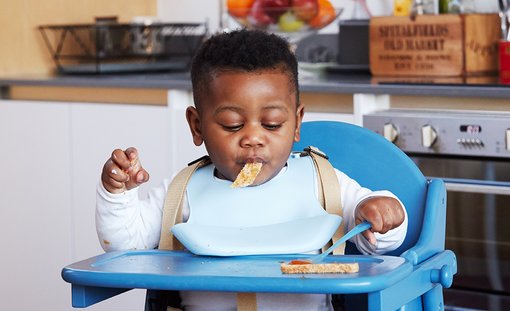
Introducing solid foods is an exciting milestone for both babies and parents. In Kenya, this stage—commonly known as weaning—often comes with many questions: When should I start? What foods are safe? How do I prepare meals that are nutritious, affordable, and culturally familiar?
This guide is designed to educate and empower parents and caregivers, offering a practical 7-day Kenyan starter feeding plan, safety tips, and trusted support products available at Pharmily Limited Kenya.
Whether you are a first-time parent or a caregiver, this article will help you begin the weaning journey with confidence.
When Should Babies Start Solid Foods?
Most babies are ready for solid foods at around 6 months of age, while continuing to breastfeed or take formula. Signs that your baby may be ready include:
- Ability to sit with minimal support
- Good head and neck control
- Showing interest in food
- Reduced tongue-thrust reflex
Principles of Safe Weaning in Kenya
Start Slow and Simple
Begin with single-ingredient foods, offered in small amounts. This helps you identify allergies or sensitivities early.
Texture Matters
Foods should be smooth, mashed, or pureed at the start to prevent choking.
Hygiene and Food Safety
- Wash hands and utensils thoroughly
- Use freshly prepared food where possible
- Store baby food safely to avoid contamination
Kenyan 7-Day Starter Feeding Plan for Babies
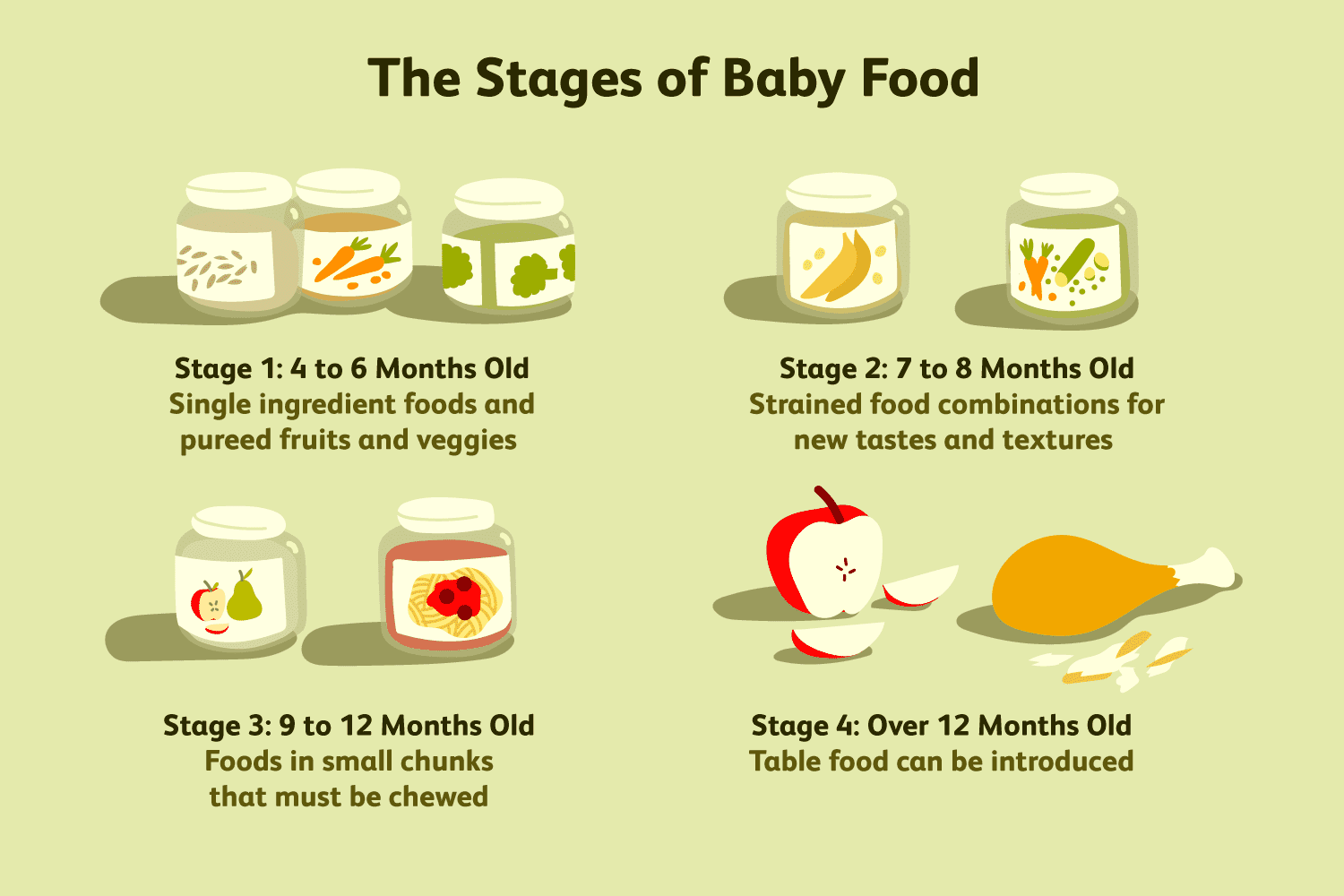
This plan uses locally available Kenyan foods that are affordable, nutritious, and easy to prepare.
Day 1: Mashed Pumpkin
Pumpkin is rich in vitamin A, supporting eye health and immunity. Steam and mash until smooth, adding breast milk or boiled water for consistency.
Day 2: Mashed Ripe Banana
Bananas are gentle on the stomach and naturally sweet. Mash thoroughly and serve plain.
Day 3: Soft Mashed Irish Potatoes
Potatoes provide energy and are easy to digest when well cooked and mashed.
Day 4: Mashed Avocado
Avocado offers healthy fats essential for brain development. Mash until creamy with no lumps.
Day 5: Soft Uji (Millet or Sorghum)
Traditional Kenyan uji is an excellent weaning food. Prepare it thin and smooth without sugar or salt.
Day 6: Mashed Carrots
Carrots are packed with beta-carotene and support immunity. Steam until soft and puree well.
Day 7: Mashed Sweet Potatoes
Sweet potatoes are nutrient-dense and naturally sweet, making them ideal for baby first foods.
Foods to Avoid During Early Weaning
- Salt and sugar
- Honey (under 1 year)
- Whole nuts and hard foods
- Cow’s milk as a main drink (before 12 months)
Managing Common Weaning Challenges
Constipation
Offer water in small amounts after meals and include fiber-rich foods like pumpkin and sweet potato.
Refusal to Eat
Babies may need multiple exposures to accept new foods. Stay patient and avoid force-feeding.
Allergic Reactions
Introduce new foods one at a time and watch for rashes, vomiting, or diarrhea.
Management Support and Products
Pharmily Limited Kenya supports parents with safe, quality-assured baby and maternal health products. Below are helpful products that complement the weaning journey.
1. Infant Multivitamin Drops
Infant multivitamin drops help fill nutritional gaps during early weaning, especially for vitamins D and A. They support healthy growth, bone development, and immunity. These supplements are easy to administer and suitable for babies transitioning to solid foods.
2. Baby Feeding Spoons and Bowls
Soft baby feeding spoons reduce the risk of gum injury and make feeding easier for beginners. Using baby-specific utensils encourages safer feeding and helps babies adapt to new textures.
3. Probiotic Drops for Infants
Probiotic drops support healthy digestion and gut balance, especially for babies experiencing mild tummy upsets during weaning. They can help reduce bloating and improve stool consistency.
4. Baby Cereal and Uji Mixes
Fortified baby cereals and uji mixes provide iron and essential nutrients needed during the weaning stage. They are convenient, nutritionally balanced, and easy to prepare.
Practical Feeding Tips for Parents
- Continue breastfeeding or formula feeding alongside solids
- Feed when the baby is alert and calm
- Follow the baby’s hunger and fullness cues
- Increase food variety gradually
Introducing solid foods is a journey of exploration, patience, and learning.
By starting with simple, nutritious Kenyan foods and using trusted support products, you give your baby a strong foundation for healthy eating.
With guidance, consistency, and care, weaning can be a positive and rewarding experience for both you and your baby.
FAQs
Q. When should I start weaning my baby in Kenya?
At around six months, while continuing breast milk or formula.
Q. How many times a day should I feed solids?
Start with once a day and gradually increase to two or three meals.
Q. Can I give my baby traditional Kenyan foods?
Yes. Foods like uji, pumpkin, and sweet potatoes are excellent when prepared safely.
Q. What if my baby refuses food?
This is normal. Keep offering without pressure and try again later.