Jaw Pain and Teeth Grinding Linked to Stress in Working Adults
by Maroa Noa · 24 Mar 2026
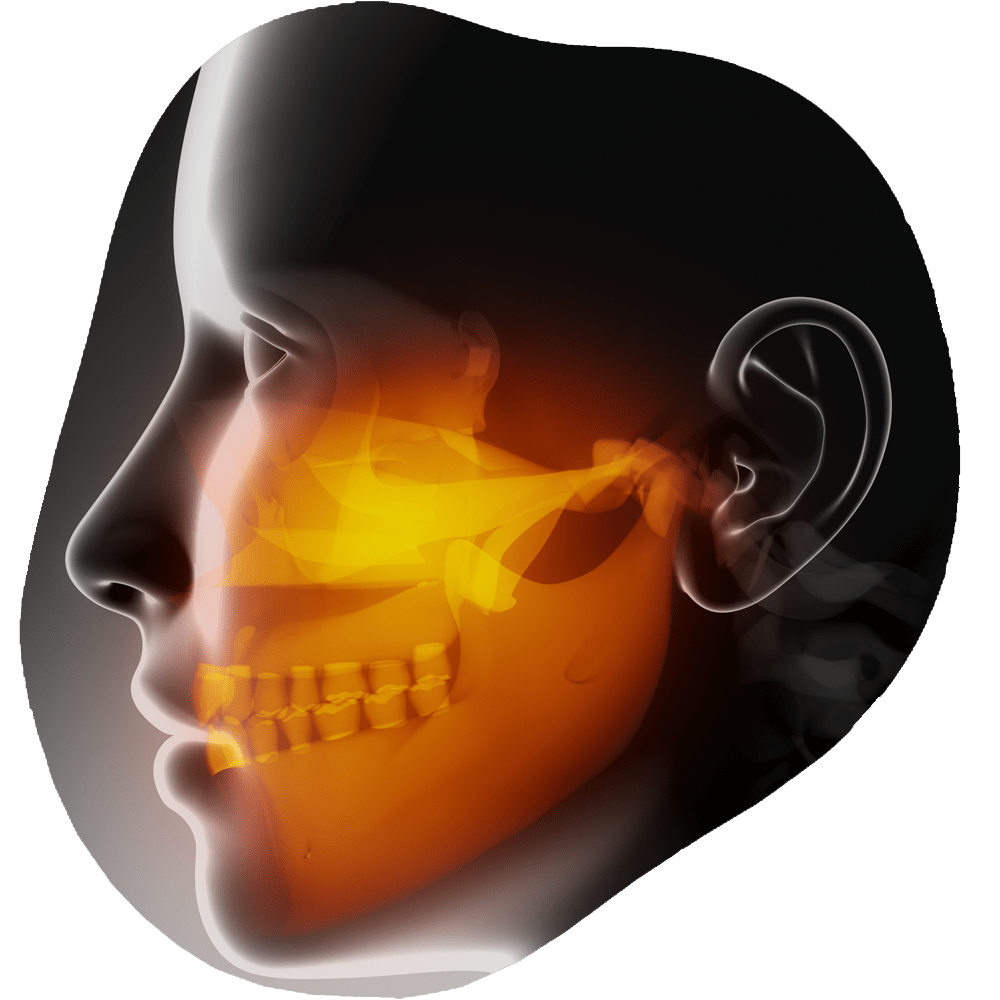
Unlike obvious injuries, bruxism and jaw pain develop quietly over time. Many adults aren’t aware they grind their teeth until a dentist notices wear or they wake up with jaw soreness.
In high-pressure work environments, the combination of deadlines, multitasking, and poor posture can make this problem worse, leading to chronic discomfort, headaches, and even dental damage.
This article explores the connection between stress, jaw pain, and teeth grinding, highlighting causes, consequences, and practical strategies for prevention and relief.
What Is Stress-Related Teeth Grinding?
Stress-related teeth grinding, or bruxism, is the unconscious clenching or grinding of teeth, often during sleep or in moments of tension.
While occasional teeth grinding is normal, chronic bruxism can wear down enamel, cause jaw pain, and affect overall oral health.
Bruxism is often triggered by psychological stress, anxiety, or high-pressure environments, but it can also be influenced by poor posture, caffeine intake, alcohol use, or misaligned teeth.
The key distinction is that stress-related bruxism typically occurs in adults facing prolonged mental or emotional strain, rather than children or teenagers who may grind teeth during growth phases.
Recognizing the Signs: Jaw Pain Beyond a Headache
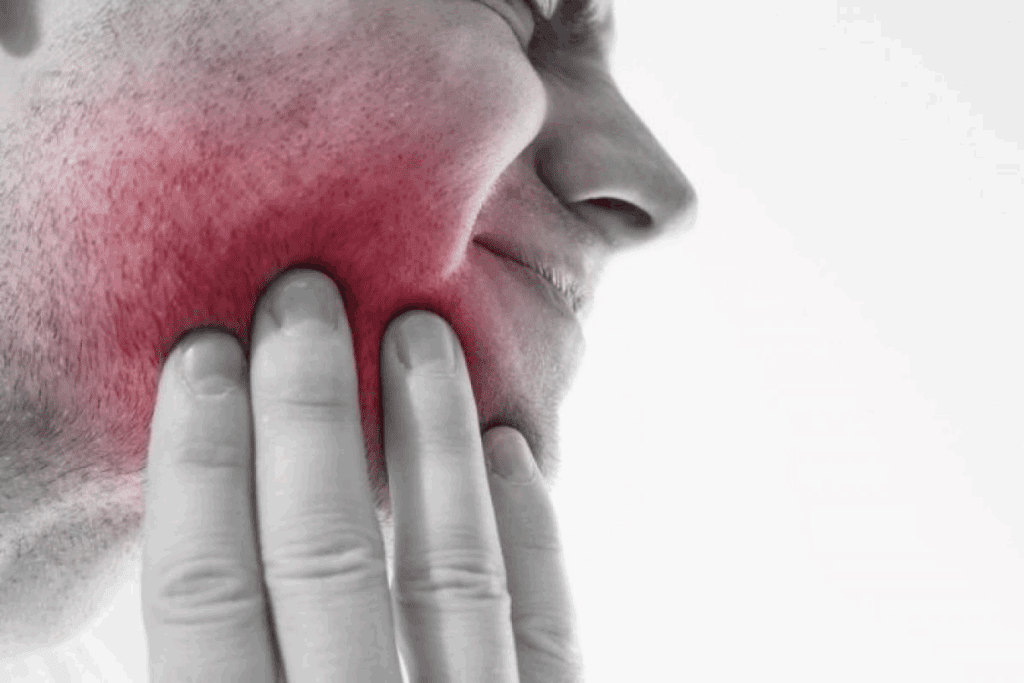
Because teeth grinding often happens unconsciously, symptoms can be subtle or misattributed. Working adults commonly ignore the early warning signs:
- Morning Jaw Soreness: Waking up with tight or sore jaw muscles is a classic indicator of overnight grinding.
- Headaches or Migraines: Frequent tension headaches, especially near temples or behind the eyes, can be caused by clenching.
- Tooth Sensitivity: Worn enamel from grinding increases sensitivity to hot or cold foods.
- Ear or Neck Pain: Jaw tension can radiate to the ears or neck, causing discomfort unrelated to dental health.
- Noisy Grinding Sounds: A partner may notice loud grinding at night even if the individual is unaware.
Pro Tip: Track symptoms in a “Jaw Diary.” Note headaches, jaw soreness, and stress levels. Patterns often reveal links between workload and teeth grinding.
Why Working Adults Are Particularly Vulnerable
Modern work environments create conditions that promote bruxism and jaw tension. Understanding these triggers is essential for prevention:
High Stress Levels
Deadlines, multitasking, and constant notifications increase psychological tension. Stress triggers the body’s fight-or-flight response, leading to unconscious jaw clenching and teeth grinding, particularly during sleep or stressful meetings.
Poor Posture and Desk Ergonomics
Hunched shoulders, forward head posture, and prolonged sitting strain jaw and neck muscles. Over time, this physical stress contributes to jaw pain and increases the likelihood of bruxism.
Caffeine and Alcohol Intake
Coffee, energy drinks, and alcohol stimulate the nervous system, making it more likely to clench teeth unconsciously. Many professionals rely on these beverages to cope with long hours, inadvertently exacerbating jaw tension.
Sleep Disruption
Irregular sleep schedules, late-night screen time, or insufficient sleep amplify bruxism risk. The body may express stress through grinding or clenching during deeper stages of sleep when muscles should be relaxed.
The Consequences of Ignoring Jaw Pain and Bruxism
Chronic teeth grinding has implications beyond dental discomfort. Ignoring these symptoms can lead to:
- Dental Damage: Cracked, chipped, or worn-down teeth that require costly repair.
- TMJ Disorders: Dysfunction of the temporomandibular joint (TMJ) causes pain, clicking, and reduced jaw mobility.
- Chronic Headaches: Persistent tension headaches can reduce focus and productivity.
- Sleep Disturbances: Bruxism can fragment sleep, leaving you tired and less resilient to stress.
- Increased Stress Feedback Loop: Pain and discomfort feed stress, which worsens bruxism—a cycle that’s difficult to break without intervention.
Practical Strategies to Reduce Jaw Pain and Teeth Grinding
While professional help is important, several lifestyle changes and home practices can reduce stress-related bruxism and protect your jaw.
Stress Management
Incorporate mindfulness, deep breathing, or meditation into daily routines. Even 5–10 minutes per day can lower tension, calm the nervous system, and reduce unconscious clenching.
Jaw Exercises and Relaxation
Gentle stretches and massage of jaw muscles help release tension. Exercises like slowly opening and closing the mouth or moving the jaw side to side can improve flexibility and relieve soreness.
Correct Desk Posture
Adjust chair height, monitor position, and keyboard placement to reduce forward head posture. Supporting the neck and shoulders reduces muscle strain that contributes to jaw tension.
Limit Stimulants
Reduce caffeine and alcohol intake, particularly late in the day. Both can increase nervous system activity, triggering nighttime grinding.
Mouthguards and Dental Appliances
Custom-fitted nightguards from a dentist protect teeth from grinding and alleviate jaw pressure. Over-the-counter options may help temporarily but are not a substitute for professional advice.
Adequate Sleep
Aim for 7–9 hours per night and establish a consistent sleep schedule. Sleep hygiene practices—such as reducing screens before bed and keeping the bedroom cool and dark—promote muscle relaxation during sleep.
Products That Can Help with Jaw Pain and Teeth Grinding
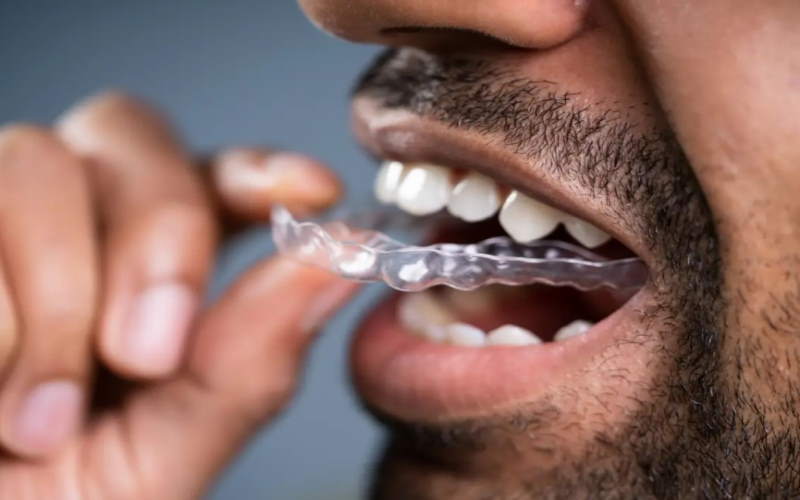
Certain products available through Pharmily Limited Kenya can help support relaxation, reduce stress, and protect your teeth from the effects of bruxism. Always consult a healthcare professional before starting any new product.
1. Dental Night Guard Silicone Mouth Guard – A protective silicone night guard that cushions teeth and reduces grinding damage. It can be used as a short‑term aid while seeking professional advice.
2. BetterYou Magnesium Oil – A topical magnesium option that may help ease muscle tension when applied to the neck and shoulder area, contributing to overall relaxation.
3. Viridian Nutrition Ashwagandha 60 Capsules – Ashwagandha is an adaptogen traditionally used to support the body’s stress response, potentially easing tension linked to bruxism.
4. Volini Pain Relief Gel 50g – A topical analgesic gel that helps soothe jaw and muscle discomfort after prolonged tension.
Creative Prevention Tips for the Busy Professional
- Desk Reminder Notes: Stick gentle reminders to relax jaw muscles and shoulders every hour.
- Chew Mindfully: Avoid constant gum chewing; overuse may exacerbate jaw tension.
- Hydration: Dry mouths are more prone to tension; drinking water reduces fatigue and stress.
- Lunch Break Walks: Moving during the day relieves neck and jaw tension caused by prolonged sitting.
- Evening Wind-Down Ritual: Light stretching, reading, or listening to music helps transition from work stress to relaxation.
Tip Box: Keep a “Jaw Relaxation Kit” at your desk — stress ball, small massage tool, and water bottle — for quick relief during high-pressure days.
Jaw pain and teeth grinding in working adults are often overlooked consequences of modern work stress. Chronic bruxism affects dental health, sleep quality, and daily productivity, but it is preventable and manageable.
By combining stress management, ergonomic awareness, proper sleep, dietary moderation, and professional dental support, working adults can protect their teeth, relieve jaw tension, and improve overall well-being.
Early recognition and consistent preventive strategies are the keys to breaking the cycle of stress-induced bruxism.
FAQs
Q1: Can stress alone cause teeth grinding?
A: Yes. Psychological stress increases muscle tension and triggers unconscious clenching or grinding during the day and night, even without dental misalignment.
Q2: How can I tell if I grind my teeth at night?
A: Morning jaw soreness, headaches, tooth sensitivity, or a partner hearing grinding sounds are common indicators. Dentists can also detect enamel wear consistent with bruxism.
Q3: Will reducing caffeine and alcohol help with jaw pain?
A: Limiting stimulants can reduce nervous system overactivation and lower the frequency of teeth grinding, helping to relieve jaw tension.
Q4: Are custom nightguards necessary?
A: Nightguards protect teeth from damage and relieve jaw pressure, particularly for chronic bruxism. Over-the-counter guards may help temporarily, but dentist-fitted options provide better protection and comfort.
Q5: Can posture correction reduce teeth grinding?
A: Yes. Poor posture strains neck and jaw muscles, contributing to bruxism. Ergonomic adjustments and posture awareness reduce tension and decrease the frequency of clenching.