Maintaining Oral Health in Elderly Patients With Limited Mobility
by Maroa Noa · 08 Apr 2026
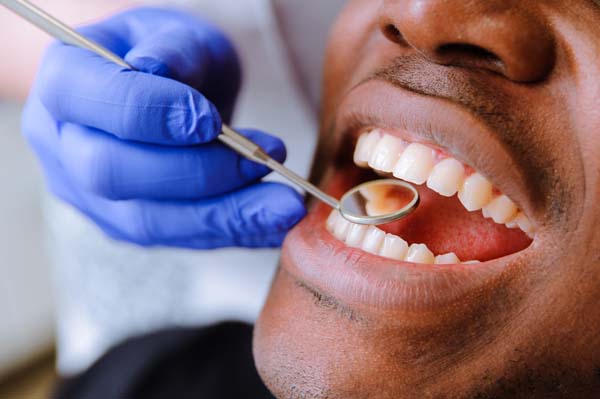
A practical guide to elderly oral care in Kenya for families, caregivers, and busy professionals
Maintaining good oral health becomes more challenging with age, and even more so when an older adult has limited mobility.
Simple daily tasks such as brushing, rinsing, or attending dental appointments may suddenly require planning, support, and the right tools. Yet oral care should never be treated as optional.
For elderly patients, oral health is closely linked to comfort, nutrition, dignity, and overall wellbeing.
For professionals caring for aging parents, supervising home care, or managing elder wellness from a busy schedule, understanding how to support oral hygiene at home is essential.
This is especially true in Kenya, where more families are combining work demands with caregiving responsibilities.
In this guide, we will look at why oral health matters in older adults, the common challenges faced by elderly patients with limited mobility, and practical steps for improving elderly oral care in Kenya.
Why Oral Health Matters in Older Adults
Oral health affects much more than teeth. In elderly patients, poor oral hygiene can contribute to gum disease, mouth infections, tooth decay, bad breath, pain while chewing, and worsening nutrition. When brushing becomes difficult, plaque and bacteria build up more easily, increasing the risk of oral complications.
For older adults with reduced mobility, these issues can escalate quickly because they may not be able to clean their mouth thoroughly, report symptoms early, or visit a dentist regularly. In some cases, pain or mouth discomfort may even reduce appetite, making it harder to maintain strength and general health.
This is why patient monitoring at home should include oral hygiene. A healthy mouth supports better eating, clearer speech, improved confidence, and a better quality of life.
Common Oral Health Challenges in Elderly Patients With Limited Mobility
Older adults with mobility limitations often face more than one oral health concern at the same time. Some of the most common include the following:
Dry Mouth
Dry mouth is common in elderly patients, especially those taking multiple medications. When saliva production drops, the mouth becomes more vulnerable to irritation, decay, and bad breath. Food may also become harder to chew or swallow comfortably.
Gum Problems
Bleeding gums, swelling, and tenderness may indicate gingivitis or early gum disease. When brushing is inconsistent or difficult, gum issues can worsen over time.
A helpful option for gum-focused care is Parodontax Toothpaste For Bleeding Gums (Daily Fluoride) 75g, which is available on Pharmily and designed for daily gum care.
Tooth Sensitivity and Discomfort
Many elderly patients experience enamel wear, gum recession, or sensitivity. This can make brushing unpleasant, leading them to avoid proper cleaning altogether.
Denture Hygiene Challenges
For elderly adults who wear dentures, cleaning should be part of daily care. Limited hand strength, arthritis, or bed rest can make denture handling difficult without assistance.
Difficulty Using Standard Oral Care Tools
A regular toothbrush may not be ideal for an elderly person with limited grip strength, arm weakness, tremors, or reduced coordination. In these cases, a gentler and easier-to-handle option is often more suitable.
Products such as the Parodontax Toothbrush Expert Gum Care Soft or Curaprox Toothbrush CS 1009 may be helpful for targeted and gentle oral cleaning.
Signs That an Elderly Patient May Need Better Oral Care Support
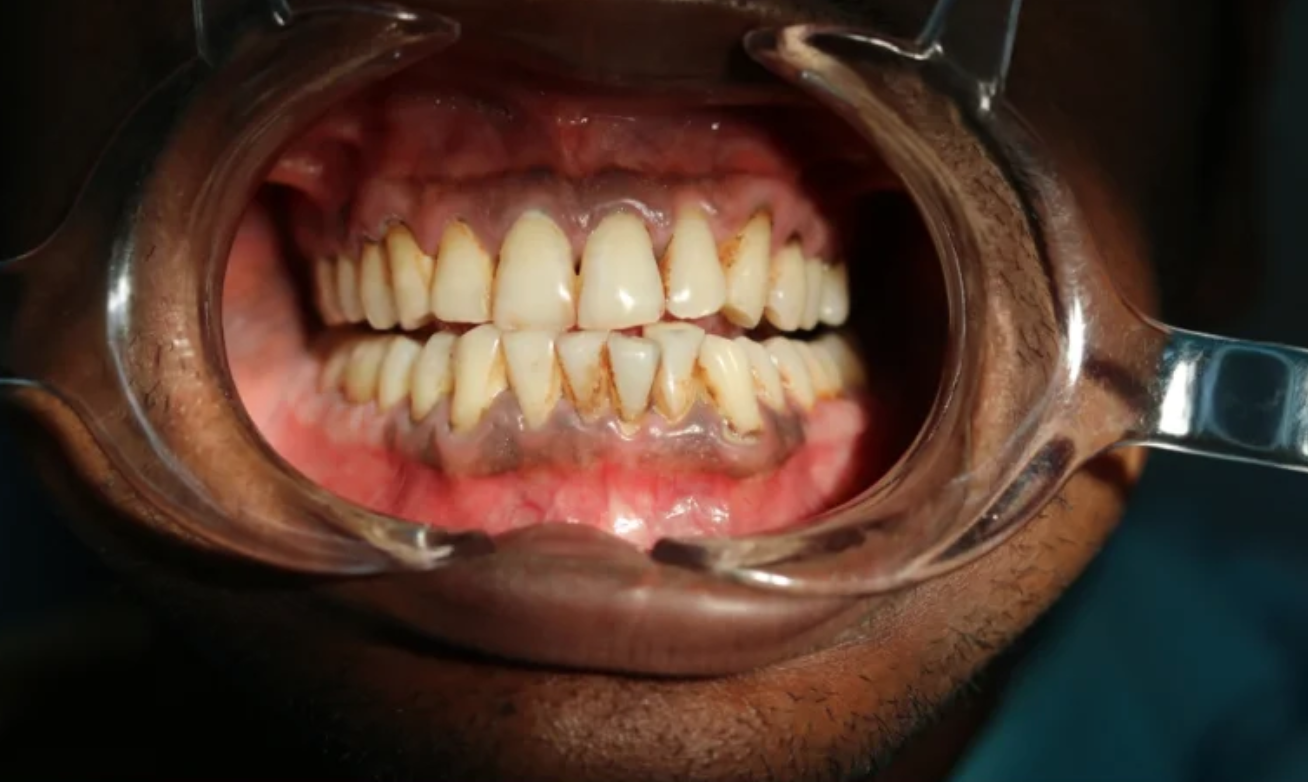
Carers and family members should watch for warning signs that suggest oral care routines need improvement. These include:
Persistent Bad Breath
Bad breath is often one of the first signs of poor oral hygiene, dry mouth, or gum disease.
Refusing Food or Complaining During Meals
If an older adult avoids certain foods, chews slowly, or appears uncomfortable while eating, mouth pain may be part of the problem.
Bleeding During Brushing
Bleeding gums should not be ignored, especially when it becomes frequent.
Visible Plaque or Coated Teeth
If teeth appear yellow, sticky, or unclean even after brushing, the patient may need a better cleaning routine or more assistance.
Cracked Lips or Dry Mouth Complaints
These may point to dryness that needs to be addressed as part of overall oral care.
Practical Tips for Maintaining Oral Health at Home
Supporting oral hygiene in elderly patients with limited mobility does not always require a complicated routine. What matters most is consistency, comfort, and using products that are gentle and practical.
1. Create a Simple Daily Oral Care Routine
A structured routine helps both the patient and caregiver stay consistent. Brushing twice daily, especially in the morning and before bed, remains the foundation of oral hygiene.
For many older adults, a soft-bristled toothbrush is a better choice because it cleans effectively without irritating sensitive gums. Options such as the Oral-B 123 40 Medium HBDC Toothbrush may be suitable for routine cleaning, although softer, gum-focused brushes are often preferred when sensitivity is present.
2. Use Mouthwash for Hard-to-Reach Areas
When mobility is limited, brushing may not reach every area effectively. A good mouthwash can help reduce bacteria, freshen breath, and support gum health.
Useful options available from Pharmily include:
- Listerine Teeth & Gum Mouthwash 250ml for targeted gum support
- Listerine Total Care Sensitive Clean Mint 500ml for sensitive mouths
- Listerine Cool Mint Zero Alcohol 500ml for a gentler, alcohol-free option
- Wisdom Fresh Effect Mouthwash Coolmint 500ml for alcohol-free daily use
Alcohol-free mouthwashes can be especially helpful for older adults with dry mouth or oral sensitivity. Pharmily notes that some of these products are gentle on the mouth while still helping reduce bacteria and plaque.
3. Pay Attention to Dry Mouth
Dry mouth should be taken seriously because it increases the risk of tooth decay and discomfort. Encourage regular sips of water where medically appropriate, and choose gentler oral care products that do not worsen dryness.
Products such as Listerine Mouthwash Green Tea 250ml and Listerine Total Care Sensitive Clean Mint 500ml are described on Pharmily as suitable for sensitive mouths, with the Green Tea option specifically noted as ideal for dry mouth and gum irritation.
4. Support Gum Health Early
Gum disease can progress quietly in elderly patients, especially if oral care has become inconsistent. Using gum-supportive toothpaste and gentle brushes can make a meaningful difference.
For example, the Parodontax Toothpaste For Bleeding Gums (Daily Fluoride) 75g and Parodontax Toothbrush Expert Gum Care Soft are practical products for daily gum care and gentle brushing. Pharmily lists both under its Parodontax range.
5. Make Oral Care Easier for the Caregiver
For professionals and family caregivers, the goal is to make daily care manageable. Keep oral care supplies in one place, schedule mouth care at consistent times, and monitor for any changes in breath, gum condition, pain, or chewing ability.
This is where health tracking in Kenya and patient monitoring principles become useful. Even a simple care log can help you note the following:
- brushing frequency
- gum bleeding
- complaints of pain
- dry mouth symptoms
- denture cleaning status
- need for dental review
A short home log can help caregivers notice trends early and make better decisions before the problem becomes urgent.
How Oral Health Supports Overall Elderly Wellbeing
Oral care is often overlooked in home-based elder care, yet it plays a central role in overall health management. An elderly patient with a clean, comfortable mouth is more likely to eat well, stay hydrated, interact confidently, and avoid unnecessary discomfort.
For working professionals balancing elder care responsibilities, investing in the right oral care routine can also reduce avoidable complications and improve day-to-day caregiving efficiency.
In short, elderly oral care in Kenya is not only about brushing teeth. It is about preserving comfort, function, and quality of life.
Maintaining oral health in elderly patients with limited mobility requires patience, consistency, and the right products. With a simple home routine, early observation, and supportive tools, families and caregivers can reduce discomfort and help older adults maintain dignity and wellness.
For professionals managing elder care in a busy environment, this is one area where small daily actions create long-term value. Good oral hygiene is not a luxury. It is a practical and essential part of healthy aging.
FAQs
Q. How often should an elderly person with limited mobility brush their teeth?
Twice a day is still the standard recommendation. If full brushing is difficult, assisted brushing and mouth rinsing can help maintain better oral hygiene.
Q. What is the best mouthwash for elderly patients with dry mouth?
Alcohol-free and gentle mouthwashes are usually better tolerated. Options such as Listerine Cool Mint Zero Alcohol 500ml and Wisdom Fresh Effect Mouthwash Coolmint 500ml may be suitable.
Q. What should I do if an elderly parent’s gums bleed during brushing?
Occasional bleeding can signal gum inflammation. Switching to a gentler brush and a gum-care toothpaste may help, but persistent bleeding should be assessed by a dental professional.
Q. Can mouthwash replace brushing in elderly patients?
No. Mouthwash supports oral hygiene, but it does not fully replace brushing. It works best as part of a broader routine that includes brushing, gum care, and denture hygiene where needed.
Q. Where can I buy elderly oral care products in Kenya?
Pharmily Limited Kenya has an oral care products section with toothbrushes, toothpaste, and mouthwashes, including gum-care and sensitivity-focused options.