Medication-Induced Vitamin Deficiencies in Long-Term Treatment Plans
by Maroa Noa · 07 Apr 2026

Long-term medication can be life-changing in the best way. It can control blood sugar, reduce acid reflux, prevent seizures, manage cholesterol, and protect heart health.
This happens when a medicine affects how the body absorbs, uses, stores, or eliminates certain nutrients. The change may be gradual, which is why many people do not notice it until fatigue, tingling, mouth sores, muscle weakness, poor concentration, or low mood begin to appear.
Research reviews and clinical references note that long-term use of several common medicines can contribute to clinically relevant micronutrient deficiencies over time.
For patients on chronic treatment plans, the goal is not to stop important medication without advice. The smarter approach is to understand the risk, monitor symptoms, test when appropriate, and use targeted nutrition support under medical guidance.
This article explains the most common medication-related vitamin deficiencies, the warning signs to watch for, and helpful support products available from Pharmily Limited Kenya.
What Is Drug-Induced Vitamin Deficiency?
Drug-induced vitamin deficiency refers to a nutrient shortage caused or worsened by the use over time. Some medicines reduce stomach acid, making it harder to absorb vitamin B12.
Others interfere with folate metabolism, affect vitamin D balance, or reduce magnesium and other minerals that work closely with vitamins in the body.
These problems may take months or years to become obvious, especially when the patient is taking more than one long-term medicine.
This is one reason why persistent symptoms should not always be dismissed as stress, aging, or “just the illness itself.” In some cases, the missing piece is nutritional depletion caused by treatment. Early recognition can improve energy, nerve health, bone health, and quality of life without compromising the benefits of the original medication.
Common Long-Term Medicines Linked to Vitamin Deficiencies

Metformin and Vitamin B12/Folate
Metformin is widely used for type 2 diabetes and insulin resistance. Long-term use has been associated with reduced vitamin B12 absorption, and some guidance also notes an effect on folate in certain patients.
Reduced B12 can contribute to fatigue, numbness, tingling in the hands or feet, memory changes, and anemia if it is not identified early.
Acid-Reducing Medicines and Vitamin B12/Magnesium
Proton pump inhibitors and other long-term acid-lowering medicines can affect nutrient absorption because stomach acid helps release and absorb certain nutrients.
Lower acid levels are linked most notably with reduced vitamin B12 absorption, and long-term use has also been associated with magnesium depletion in some patients.
Anti-Seizure Medicines and Folate/Vitamin D/B6/K
Some anti-seizure medicines can interfere with multiple nutrients, including folate, vitamin D, vitamin B6, biotin, and vitamin K.
Over time, this may affect bone health, red blood cell function, and nerve-related symptoms, depending on the medicine and the patient’s baseline nutritional status.
Cholestyramine, Orlistat, and Fat-Soluble Vitamins
Medicines that interfere with fat absorption can reduce the absorption of vitamins A, D, E, and K, which are fat-soluble. Cholestyramine and orlistat are classic examples discussed in the literature.
Deficiencies may affect vision, immunity, bone strength, bruising tendency, and general recovery over time.
Because the effects can be gradual, patients may not connect symptoms to their medication at all. That is why nutrition follow-up matters when treatment affects digestion or absorption pathways.
Corticosteroids and Vitamin D/Calcium Balance
Long-term corticosteroid use is well known for its effect on bone health, and nutrition references note links with vitamin D and related bone-support nutrients.
Over time, this may increase the risk of reduced bone density, especially in older adults, postmenopausal women, and patients with low dietary calcium or little sunlight exposure.
Symptoms That May Suggest a Medication-Induced Deficiency
Common symptoms to watch for include:
- Persistent fatigue or unusual tiredness
- Weakness or low energy levels
- Brain fog or difficulty concentrating
- Numbness or tingling in the hands and feet
- Muscle cramps or muscle weakness
- Pale skin or signs of anemia
- Mouth ulcers or a sore tongue
- Hair thinning or increased hair shedding
- Low mood or irritability
- Easy bruising or slower healing
- Bone pain or increased risk of fractures
- Poor appetite or unexplained weight changes
How to Prevent Drug-Induced Vitamin Deficiency
The best prevention plan is simple but strategic. First, know which nutrients your long-term medicines may affect. Second, do not self-diagnose based on symptoms alone, because fatigue and weakness have many causes.
Third, ask about blood tests when symptoms or risk factors suggest a deficiency. Finally, use targeted supplements only when they fit your medication profile and health needs.
Diet still matters. A balanced eating pattern with protein, leafy greens, legumes, dairy or fortified alternatives, eggs, fish, and fruits supports recovery and reduces the risk of borderline deficiencies becoming clinically significant.
Supplements work best as support, not as a substitute for proper medical review.
Products That May Help Support Recovery
Below are practical products available from Pharmily that may help manage common medication-related deficiencies.
These should be chosen based on the likely deficiency and used with professional guidance, especially for patients on complex prescriptions.
Jamieson B6 + B12 & Folic Acid Tablets 110’s—This combination is especially relevant for patients at risk of vitamin B12 deficiency or folate deficiency, such as those on long-term metformin or some other chronic therapies.
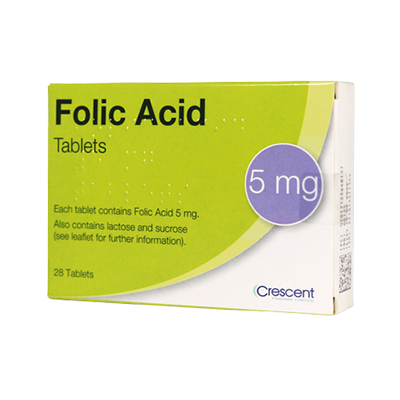
Folic Acid 5 mg Tabs 28’s - Folic acid support may be considered in patients with clinically confirmed low folate or in treatment situations where folate depletion is a recognized issue.
Jamieson Magnesium 500 mg + 500 IU Vitamin D3 Caplets 60’s - This is a useful support option where long-term therapy may contribute to magnesium depletion, low vitamin D intake, muscle cramps, or bone-support concerns.
Vitabiotics Feroglobin B12 Liquid Iron 200 ml—Some drug-related nutrient issues overlap with iron deficiency or anemia-like symptoms, especially when fatigue and poor vitality are part of the picture.
Centrum Advance 50's & 60's: A broad-spectrum multivitamin can be helpful in selected adults with multiple risk factors, limited diet variety, or polypharmacy, although it should not replace targeted treatment for confirmed deficiency.
When to See a Doctor
Medical review is important if you have numbness, burning feet, persistent fatigue, memory issues, unexplained weakness, repeated mouth sores, worsening bone pain, easy bruising, or symptoms that continue despite improving your diet.
It is also important if you have been on long-term metformin, acid reducers, anti-seizure medication, corticosteroids, or fat-blocking therapies for many months or years. These situations do not prove deficiency, but they do justify a closer look.
Do not stop prescribed medication on your own. The safer path is to talk to a clinician or pharmacist about monitoring and tailored supplementation.
Final Thoughts
Medication-induced vitamin deficiencies are common enough to matter and subtle enough to miss. The good news is that they are often manageable when patients and healthcare providers think about them early.
Long-term treatment plans should protect the condition being treated without quietly draining the nutrients the body needs to function well.
For better outcomes, pair chronic medication review with nutrition awareness, appropriate lab testing, and carefully chosen support products. That approach gives patients the best chance of maintaining energy, nerve health, bone strength, and daily well-being while staying on essential treatment.
FAQs
Q1: What is a medication-induced vitamin deficiency?
A medication-induced vitamin deficiency happens when a medicine interferes with the body’s ability to absorb, use, store, or retain important nutrients.
Q2: Which medicines commonly cause drug-induced vitamin deficiencies?
Some of the most commonly discussed medicines include metformin, proton pump inhibitors (PPIs), anti-seizure medicines, corticosteroids, and medicines that interfere with fat absorption.
Q3: What are the warning signs of vitamin deficiency caused by medication?
Common symptoms include ongoing tiredness, numbness or tingling in the hands and feet, mouth sores, muscle cramps, hair thinning, brain fog, low energy, and poor mood. Some people may also notice bone pain, easy bruising, or worsening nerve symptoms.
Q4: Can medication-induced vitamin deficiencies be prevented?
Yes, in many cases they can be reduced or prevented through regular monitoring, a balanced diet, and the appropriate use of supplements when recommended by a healthcare professional.
Q5: Can supplements from Pharmily Limited Kenya help manage drug-induced vitamin deficiency?
Yes, supplements may help support recovery when they are matched to the likely deficiency and used correctly. Products such as Jamieson B6 & B12 & Folic Acid, Folic Acid 5 mg, Jamieson Magnesium & Vitamin D3, and Nature's Aid Calcium, Magnesium & Vitamin D3 may be helpful depending on the nutrient involved.