Medication-Related Appetite Loss in Older Adults
by Maroa Noa · 08 Apr 2026

Understanding appetite loss in the elderly, medication side effects in seniors, and practical ways to support nutrition in Kenya
As people grow older, eating well can become more complicated than it sounds. For many older adults, a reduced appetite is not simply a matter of “not feeling hungry.”
In many cases, it is linked to medication use, ongoing health conditions, changes in taste and smell, or the physical and emotional challenges that often come with aging.
For families, caregivers, and professionals managing demanding work schedules, this can be easy to miss at first. An older parent may begin eating smaller portions, skipping meals, or saying food no longer tastes right.
Over time, however, poor appetite can lead to weight loss, weakness, low energy, slow recovery, and a greater risk of illness.
Understanding medication-related appetite loss in older adults is important because the issue is common, manageable, and worth addressing early. With the right approach, it is often possible to improve nutrition, support strength, and protect quality of life.
Why appetite loss in older adults matters
A poor appetite in seniors should never be dismissed as a normal part of ageing. While appetite may change with age, persistent loss of interest in food can affect nearly every aspect of health.
Older adults who do not eat enough may struggle with:
- unintentional weight loss
- muscle loss and reduced mobility
- fatigue and poor concentration
- weaker immunity
- slower healing after illness
- worsening of chronic conditions
For working professionals caring for elderly parents or relatives, this issue can be especially stressful. It often shows up gradually, which makes it harder to spot until the person has already become weaker. That is why early observation and timely action matter.
How medications can cause appetite loss in seniors
Many medicines can affect appetite directly or indirectly. Some reduce hunger. Others cause nausea, dry mouth, constipation, stomach discomfort, metallic taste changes, or drowsiness, all of which can make eating less appealing.
Common medication groups that may contribute to appetite loss in older adults include:
1. Antibiotics
Some antibiotics can leave a bitter or metallic taste in the mouth, cause nausea, or upset the stomach. When this happens, an older adult may avoid meals because eating feels unpleasant.
2. Pain medications
Certain strong pain medicines, especially opioids, may cause nausea, constipation, or sleepiness. These side effects can reduce interest in food and make meal times uncomfortable.
3. Heart and blood pressure medications
Some medicines used for hypertension and heart disease may alter taste, cause dry mouth, or lead to fatigue. In older adults already eating small portions, this can further reduce food intake.
4. Diabetes medications
Some diabetes treatments can cause nausea or stomach upset, particularly when doses are being adjusted. When blood sugar levels are poorly controlled, appetite may also fluctuate.
5. Antidepressants and other mental health medications
While some can increase appetite, others may reduce it or cause digestive side effects. Sedation may also interfere with regular eating habits.
6. Medicines for acid reflux or digestive discomfort
These are often necessary, but appetite may remain low if the underlying digestive symptoms are not fully controlled.
Because many seniors take several medicines at once, the combined effect can be significant. This is why patient monitoring is so important.
Signs that medication side effects may be affecting appetite
Families and caregivers should look out for small but meaningful changes, such as:
- eating much less than usual
- leaving favourite foods unfinished
- complaining that the food tastes strange
- nausea after taking medication
- increased bloating or constipation
- visible weight loss
- weakness or low energy
- skipping meals more often
These signs are especially important when they begin soon after starting a new medication or changing a dose.
The role of health tracking and patient monitoring
One of the most practical ways to manage medication side effects in seniors is to keep a simple home log. This does not need to be complicated. A notebook, printed chart, or phone note can help track:
- daily meals and portion sizes
- medication times
- nausea, constipation, or stomach discomfort
- weight changes
- fluid intake
- energy levels
This kind of health tracking in Kenya can help families notice patterns. For example, if an older adult consistently loses appetite after taking a certain medicine in the morning, that information becomes useful during a clinical review.
It also helps healthcare providers make better decisions about timing, dosage, or supportive treatment.
Practical ways to manage appetite loss in older adults
Supporting an older adult with poor appetite usually works best when the approach is simple, gentle, and consistent.
Offer small, frequent meals
Large meals can feel overwhelming. Smaller meals or snacks every two to three hours are often easier to manage.
Focus on nutrient-dense foods
When appetite is poor, every bite matters. Choose foods that provide more nutrition in smaller portions, such as eggs, yoghurt, milk, porridge, mashed avocado, soft fruits, peanut butter, and soups.
Make food easier to eat
Soft, moist foods are often more appealing for seniors who have chewing difficulties, mouth dryness, or fatigue.
Watch for dehydration
Some older adults with poor appetite also drink less. Dehydration can worsen fatigue and confusion, and may reduce appetite even further.
Review medicines with a healthcare professional
Never stop prescribed medication without medical advice. However, it is important to ask whether appetite loss could be a side effect and whether timing, dosage, or an alternative treatment should be considered.
A helpful option available from Pharmily is Ensure Vanilla Powder, 400 grams, which is designed to provide balanced adult nutrition and may support strength, energy, and weight maintenance in adults with poor appetite.
Pharmily describes it as a complete nutrition formula with protein, vitamins, minerals, and calories, making it relevant for older adults who need extra nutritional support.
For broader nutritional support, Pharmily also offers Seven Seas Orange Multi Vitamin Syrup 100ml, a daily multivitamin for adults and families that may help support energy and overall well-being when diet quality is poor.
It is not a replacement for meals, but it may help fill nutritional gaps when used appropriately.
When to seek medical advice urgently
Appetite loss in an older adult needs prompt medical review when it is accompanied by:
- rapid or noticeable weight loss
- vomiting
- difficulty swallowing
- dehydration
- persistent abdominal pain
- confusion or unusual drowsiness
- refusal to eat for more than a day or two
- signs of worsening chronic illness
Sometimes the issue is medication-related, but sometimes it points to infection, depression, digestive disease, or another underlying condition.
Products that may support management
Depending on the older adult’s needs and the clinician’s advice, the following product categories from Pharmily may be useful:
- Ensure Vanilla Powder, 400 grams - Best for older adults with poor appetite, weight loss, fatigue, or inadequate nutrition. Pharmily describes it as a complete balanced nutrition formula with protein, calories, vitamins, and minerals, and specifically notes it may be useful for elderly persons needing nutritional support.
- Seven Seas Orange Multi Vitamin Syrup (8 Vitamins) 100ml - Useful where appetite loss is contributing to low nutrient intake. Pharmily says it contains 8 essential vitamins and supports energy, immunity, and overall well-being, which can be helpful when diet quality has dropped.
- Lactulin Liquid 100 ml - A practical option if the reduced appetite is being worsened by constipation, which is a common medication side effect in seniors. Pharmily lists it as a gentle laxative syrup used to treat constipation and promote regular bowel movements.
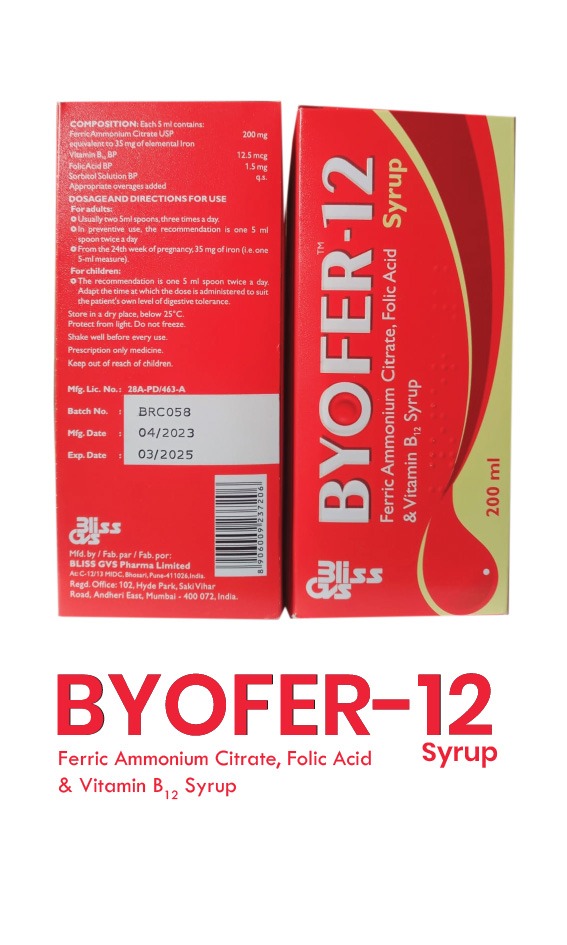
- BYOFER Syrup - This may be worth considering only where a clinician suspects or confirms iron deficiency contributing to weakness or poor intake. Pharmily says it combines iron, folic acid, and vitamin B12 and is formulated to replenish iron levels.
Medication-related appetite loss in older adults is a real and important issue, especially for families balancing elder care with busy professional lives.
The good news is that it can often be recognised early and managed well with careful observation, patient monitoring, nutritional support, and timely medical review.
When families pay attention to changes in appetite, keep simple health logs, and act early, they can help older adults stay stronger, safer, and better nourished.
In many cases, that small effort makes a very big difference.
FAQs
Q. What causes appetite loss in the elderly?
Appetite loss in older adults may be caused by medication side effects, chronic illness, depression, constipation, poor oral health, reduced taste and smell, or difficulty chewing and swallowing.
Q. Can medications really make seniors stop eating?
Yes. Many medicines can reduce appetite directly or cause nausea, dry mouth, stomach discomfort, constipation, or taste changes that make eating less appealing.
Q. How do I know if a medication is causing appetite loss?
Look for a change in eating habits soon after starting a new medicine or changing the dose. A home health log that tracks meals, medication times, and symptoms can help identify patterns.
Q. What should seniors eat when their appetite is poor?
Small, frequent, nutrient-dense meals are often best. Soft foods, soups, eggs, yoghurt, porridge, smoothies, and fortified drinks may be easier to tolerate.
Q. Are nutrition supplements helpful for older adults with poor appetite?
They can be. Products such as Ensure may help provide calories, protein, and essential nutrients when regular meals are not enough. Pharmily lists Ensure Vanilla Powder as suitable for adults needing extra nutritional support due to ageing, illness, or weight loss.
Q. Should an older adult stop medication if it affects appetite?
No. Medicines should not be stopped without guidance from a qualified healthcare professional. A clinician can review whether the medicine, dose, or timing needs adjustment