Morning vs Evening Medication Timing: Effects on Blood Pressure and Blood Sugar
by Maroa Noa · 02 Apr 2026

Taking medication consistently is essential for managing chronic conditions such as hypertension and diabetes. However, when you take your medication can be just as important as what you take.
For many patients in Kenya and beyond, understanding the right medication timing for blood pressure and blood sugar control can significantly improve treatment outcomes and reduce complications.
Whether you are managing hypertension, diabetes, or both, aligning your medication schedule with your body’s natural rhythms can enhance effectiveness, minimize side effects, and improve long-term health.
This article explores the science behind morning vs evening medication timing and provides practical guidance for creating an effective BP medication schedule in Kenya.
Why Medication Timing Matters
The human body follows a natural internal clock known as the circadian rhythm, which regulates hormone release, metabolism, blood pressure, and blood sugar levels throughout the day.
This means that the body responds differently to medications depending on the time they are taken.
For example, blood pressure tends to rise in the early morning, while insulin sensitivity and glucose metabolism fluctuate throughout the day.
Taking medications at the right time can help match these biological patterns, improving how well the medication works.
Incorrect timing, on the other hand, may reduce effectiveness or increase the risk of side effects such as dizziness, low blood sugar, or poor overnight control.
Understanding Blood Pressure Patterns
Blood pressure is not constant—it changes throughout the day in a predictable pattern:
- Early morning surge: Blood pressure rises sharply after waking
- Daytime peak: Levels remain relatively high during activity
- Nighttime dip: Blood pressure drops during sleep
This pattern is important when determining the best blood pressure medication schedule.
Morning vs Evening Blood Pressure Medication

Morning Dosing
Morning dosing is traditionally recommended for many blood pressure medications because it helps control the early morning surge, which is associated with a higher risk of heart attacks and strokes.
Benefits:
- Controls morning blood pressure spikes
- Aligns with daily routines for better adherence
- Reduces risk of daytime cardiovascular events
Best suited for:
- Patients with daytime hypertension
- Individuals who forget evening doses
- Medications that may cause nighttime urination (e.g., diuretics)
Evening Dosing
Recent research suggests that taking certain blood pressure medications at night may improve overall blood pressure control and reduce cardiovascular risk.
Benefits:
- Improves nighttime blood pressure control
- Supports natural dipping pattern during sleep
- May reduce risk of heart disease in some patients
Best suited for:
- Patients with “non-dipping” blood pressure (no nighttime drop)
- Individuals with high nighttime readings
- Certain medication classes (as advised by a doctor)
Understanding Blood Sugar Fluctuations
Blood sugar levels also follow daily patterns influenced by meals, physical activity, and hormones.
- Fasting levels: Typically higher in the morning due to hormonal changes (dawn phenomenon)
- Post-meal spikes: Occur after eating
- Nighttime levels: Can drop or rise depending on medication and food intake
Proper diabetes medication timing helps maintain stable glucose levels and prevents complications.
Morning vs Evening Diabetes Medication
Morning Dosing
Many diabetes medications are taken in the morning to manage blood sugar throughout the day, especially after meals.
Benefits:
- Controls post-breakfast and daytime glucose spikes
- Matches meal patterns
- Reduces risk of daytime hyperglycemia
Common for:
- Oral medications like metformin
- Some insulin regimens
Evening Dosing
Evening dosing is often used for medications that target overnight glucose production.
Benefits:
- Controls fasting blood sugar levels
- Reduces early morning hyperglycemia
- Supports stable overnight glucose levels
Common for:
- Long-acting insulin
- Certain oral medications prescribed for nighttime use
Key Factors That Determine Medication Timing
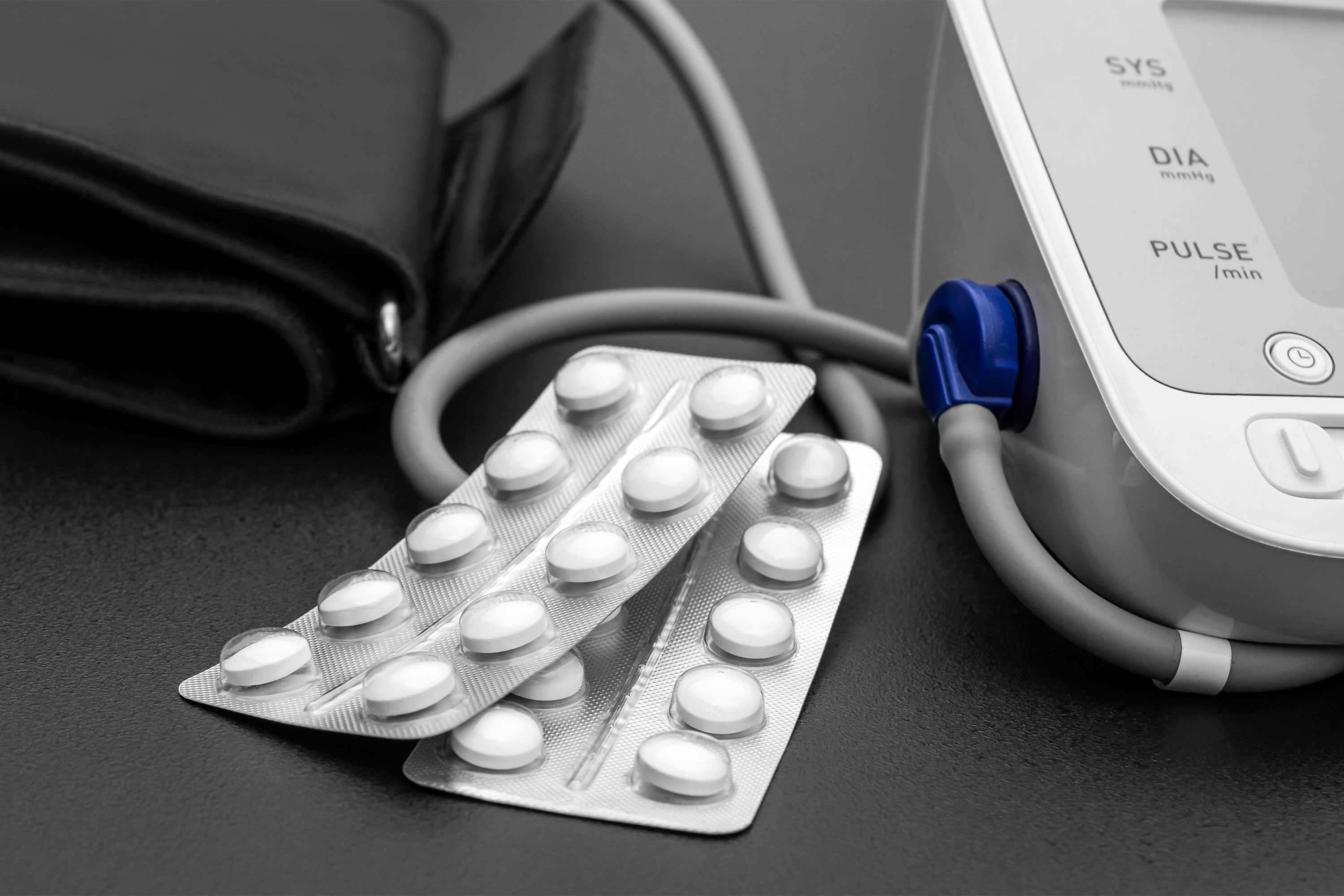
Choosing between morning and evening dosing is not one-size-fits-all. Several factors influence the best schedule:
1) Type of Medication
Different drugs work in different ways and have varying durations of action. Some are designed for once-daily use, while others require multiple doses.
2) Individual Health Profile
Your blood pressure pattern, blood sugar trends, and overall health condition determine the most effective timing.
3) Lifestyle and Routine
Consistency is critical. A schedule that fits your daily routine improves adherence and treatment success.
4) Risk of Side Effects
Some medications may cause dizziness, low blood sugar, or frequent urination, which can influence whether they are taken in the morning or evening.
Practical Tips for an Effective Medication Schedule
Maintain Consistency - Take your medication at the same time every day to maintain stable drug levels in your body.
Pair Medication with Daily Habits - Link medication timing with routine activities such as meals or bedtime to avoid missing doses.
Monitor Your Readings - Track your blood pressure and blood sugar regularly to assess how your body responds to your medication schedule.
Avoid Self-Adjustment - Never change medication timing without consulting a healthcare professional, as this may lead to poor control or complications.
When to Consult a Healthcare Professional
Seek medical advice if you experience:
- Persistent high or low blood pressure readings
- Frequent episodes of low or high blood sugar
- Side effects such as dizziness, fatigue, or palpitations
- Difficulty sticking to your medication schedule
A healthcare provider can adjust your treatment plan and optimize your medication timing in Kenya for better outcomes.
The timing of medication plays a crucial role in managing blood pressure and blood sugar effectively. Whether taken in the morning or evening, the goal is to align treatment with your body’s natural rhythms and daily routine.
For patients managing chronic conditions in Kenya, developing a consistent and personalized BP medication schedule or diabetes medication routine can significantly improve health outcomes. Always consult a healthcare professional before making any changes, and focus on consistency, monitoring, and adherence.
With the right timing and proper guidance, you can achieve better control, reduce complications, and improve your overall quality of life.
FAQs
Q1: Is it better to take blood pressure medication in the morning or at night?
A: It depends on your condition and medication type. Morning dosing helps control early spikes, while evening dosing may improve nighttime control. Consult your doctor for personalized advice.
Q2: When should I take diabetes medication for best results?
A: Many medications are taken in the morning to manage daytime glucose, while others are taken at night to control fasting levels. Timing depends on the specific medication and your glucose patterns.
Q3: Can I change my medication timing on my own?
A: No. Always consult a healthcare professional before changing your medication schedule to avoid complications.
Q4: Why is consistency important in medication timing?
A: Consistency maintains stable drug levels in your body, ensuring maximum effectiveness and reducing the risk of side effects.
Q5: What happens if I miss a dose?
A: Follow your doctor’s instructions or medication guidelines. Do not double dose without medical advice