Night-Time Fever in Babies: First-Line Care, Safe Medicines, and Emergency Signs in Kenya
by Maroa Noa · 03 Feb 2026
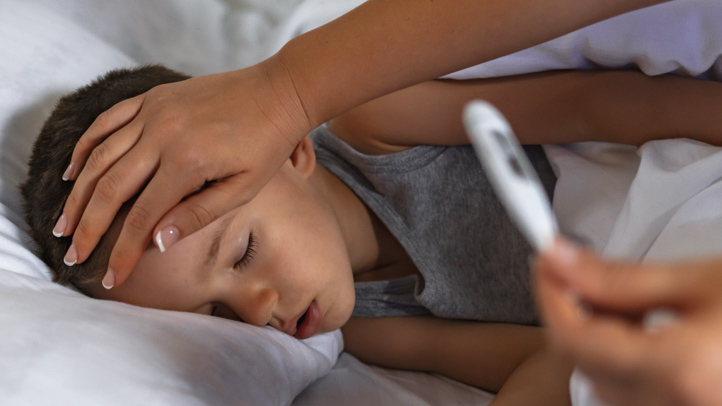
A sudden fever at night in a baby can be one of the most stressful experiences for parents. With little ones unable to tell us what’s wrong, temperatures rising, and the clock ticking past bedtime, it’s natural to feel anxious.
The good news is that with the right information, you can respond calmly and effectively — ensuring your baby gets safe first-line care and, when necessary, urgent help.
In Kenya, common causes of fever in babies include viral infections (like colds and flu), teething discomfort, post-vaccination reactions, and in some regions, malaria or other bacterial illnesses. Always monitor closely and seek professional help when needed.
What Is a Fever in Babies?
A fever is when the body temperature is higher than normal. For infants and toddlers, a fever often means a rectal temperature above 38°C (100.4°F).
Fever isn’t a disease — it’s a symptom that the bod y is fighting something. But not all fevers are serious.
Common Causes of Night-Time Fever in Babies (Kenya Context)
Viral Infections
Colds, flu, and other viral illnesses are the most common causes of fever in babies. These often worsen at night and usually resolve within a few days.
Teething
Teething may cause a slight temperature rise, irritability, and poor sleep, but it rarely causes high fever.
Post-Immunization Fever
Some vaccines trigger mild fever as the immune system responds. This usually occurs within 24–48 hours.
Bacterial Infections and Malaria
Urinary tract infections, pneumonia, ear infections, and malaria (in endemic areas) can cause persistent or high fever and require medical treatment.
First-Line Care at Home
Before turning to medicines, here are safe steps you can take:
1. Check Temperature Accurately
Use a digital thermometer for reliable readings. Rectal measurements are most accurate for babies under 3 years.
2. Keep Baby Comfortable
- Dress your baby in light clothing.
- Avoid heavy blankets.
- Ensure the room is comfortably cool.
3. Offer Fluids Often
Fever causes increased fluid loss. For breastfed babies, continue frequent feeds. For older infants, offer small amounts of water.
4. Rest
Sleep is healing — make sure other distractions are reduced and your baby can rest peacefully.
Safe Medicines for Fever in Babies (Available at Pharmily Limited Kenya)
In Kenya, paracetamol-based syrups are the first choice for reducing fever and relieving mild pain in infants. Always follow the dosage instructions based on the baby’s age and weight.
1. Calpol Suspension 60ml – Gentle Fever & Pain Relief for Babies
Calpol Suspension 60ml is a child-friendly paracetamol syrup designed to provide gentle yet effective relief from fever, headaches, teething pain, sore throat, earache, and post-immunization fever. With its pleasant strawberry flavor, it is well accepted by children, making medicine time stress-free for parents
2. Cetamol Syrup 60ml
Cetamol Syrup 60ml is a trusted pediatric pain reliever and fever reducer designed to provide quick and effective relief for children suffering from fever, headaches, toothaches, and body pain. Formulated with paracetamol, it works by lowering fever and easing discomfort without causing stomach irritation.
Paracetamol Dosage Guide for Babies
Always double-check with your doctor or pharmacist — dosing depends on weight and age.
- Babies under 2 months: Doctor’s advice only
- 3–6 months: Low-dose paracetamol as directed
- 6–12 months: Standard infant dose
- 1–3 years: Age-appropriate paediatric dose
Important safety rules:
- Space doses 4–6 hours apart
- Do not exceed 4 doses in 24 hours
- Never combine multiple paracetamol-containing products
Important: Do not give more than the recommended dose. Paracetamol products must be spaced at least 4–6 hours apart and should not exceed 4 doses in 24 hours unless directed by a healthcare provider. Excess can harm the liver.
When to Seek Emergency Care
A fever can be harmless but sometimes signals something that needs urgent medical attention. Go to the nearest clinic or hospital — especially at night — if you notice any of the following:
Emergency Signs
- Baby under 3 months with any fever
- Fever above 39°C (102.2°F)
- Difficulty breathing or fast breathing
- Persistent vomiting
- Seizure (shaking/convulsions)
- Stiff neck, severe headache, or unusual sleepiness
- Rash that doesn’t blanch when pressed
- Signs of dehydration (dry mouth, sunken eyes, little to no urine)
These symptoms can point to severe infections like malaria, meningitis, or pneumonia that need immediate attention.
Comfort Measures You Can Do at Home
Dress Lightly and Avoid Over-Bundling
When a baby has a fever, the body needs to release heat.
- Dress your baby in light cotton clothing
- Use a thin sheet instead of heavy blankets
- Avoid socks, hats, or multiple layers unless the room is cold
Over-bundling can actually raise body temperature, especially at night.
Keep the Room Comfortably Cool
A well-ventilated room helps reduce discomfort.
- Open windows slightly if weather allows
- Use a fan indirectly (not blowing directly on the baby)
- Ideal room temperature: around 20–24°C
A cooler environment supports better sleep and temperature regulation.
Offer Frequent Fluids
Fever increases fluid loss through sweating.
- Continue breastfeeding on demand
- Offer formula feeds as usual
- For older babies, give small sips of water if advised
Good hydration helps prevent dehydration and supports recovery.
Use a Lukewarm Sponge or Bath
A lukewarm bath can gently lower the temperature and soothe your baby.
- Water should feel neutral, not cold
- Sponge the arms, legs, and torso
- Stop if the baby becomes uncomfortable or starts shivering
Ensure Plenty of Rest and Sleep
Sleep helps the immune system fight infection.
- Keep lights dim and noise low
- Avoid unnecessary handling
- Let your baby sleep if comfortable
You don’t need to wake a sleeping baby just to reduce fever unless advised by a doctor.
Hold and Comfort Your Baby
Physical comfort matters just as much as medicine.
- Gentle cuddling
- Soft talking or humming
- Rocking or holding upright
Your presence helps reduce stress, which can worsen discomfort and crying.
Monitor Temperature — Don’t Obsess
Check temperature every 4–6 hours or if your baby feels hotter or seems unwell.
- Use a digital thermometer
- Focus more on behavior (feeding, alertness) than numbers alone
A baby who is feeding and responding normally is often less concerning.
Give Fever Medicine Only When Necessary
If your baby is uncomfortable:
- Use paracetamol at the correct dose for age and weight
- Space doses 4–6 hours apart
- Do not combine fever medicines without medical advice
Medicine is meant to improve comfort — not to eliminate fever completely.
FAQs
1. How high does a baby’s fever need to be before I should worry?
A temperature above 38°C (100.4°F) is considered fever. In babies under 3 months, any fever needs medical evaluation. For older babies, call your doctor if it persists beyond 24–48 hours or if there are worrying symptoms.
2. Can I use paracetamol and ibuprofen together?
In older children, sometimes they are alternated under medical guidance, but for babies under 6 months, stick to paracetamol only unless a doctor advises otherwise.
3. What if my baby refuses medicine at night?
Try a small amount at a time with the syringe. If the baby spits it up right away, consult your health provider for alternatives.
4. Is every fever dangerous?
No. Many fevers are from common viral infections. But persistent fevers, especially with behaviors like lethargy or breathing trouble, should prompt urgent care.