Postpartum Hair Loss in New Mothers: Hormonal Shifts and Recovery Support
by Maroa Noa · 25 Mar 2026

Bringing a baby into the world is one of life’s most transformative experiences, yet many new mothers notice an unexpected side effect in the months following childbirth: excessive hair shedding.
Postpartum hair loss, medically called telogen effluvium, affects a significant number of mothers and can be distressing despite being a natural part of recovery.
Understanding why hair falls out, what supports healthy regrowth, and which products available in Pharmily Limited Kenya can help is essential for new mothers seeking confidence and restoration.
This article provides a detailed guide to the causes, prevention strategies, and recovery options for postpartum hair loss.
What Is Postpartum Hair Loss?
Postpartum hair loss occurs when the natural hair growth cycle is disrupted after pregnancy.
During pregnancy, elevated estrogen levels prolong the growth phase of hair, resulting in thicker and fuller hair.
After delivery, estrogen levels drop rapidly, and many hair follicles enter the resting (telogen) phase simultaneously.
This hormonal shift causes noticeable shedding, often starting 2–4 months after childbirth. While alarming, postpartum hair loss is usually temporary, with most mothers seeing hair regrowth within 6–12 months.
Common Symptoms:
- Excessive hair shedding while washing or brushing
- Thinning at the crown, temples, or hairline
- Noticeable hair accumulation in drains, pillows, or hairbrushes
- Reduced volume and overall hair density
Recognizing these signs helps mothers differentiate between natural postpartum shedding and other causes that may require medical evaluation.
Why New Mothers Are Susceptible
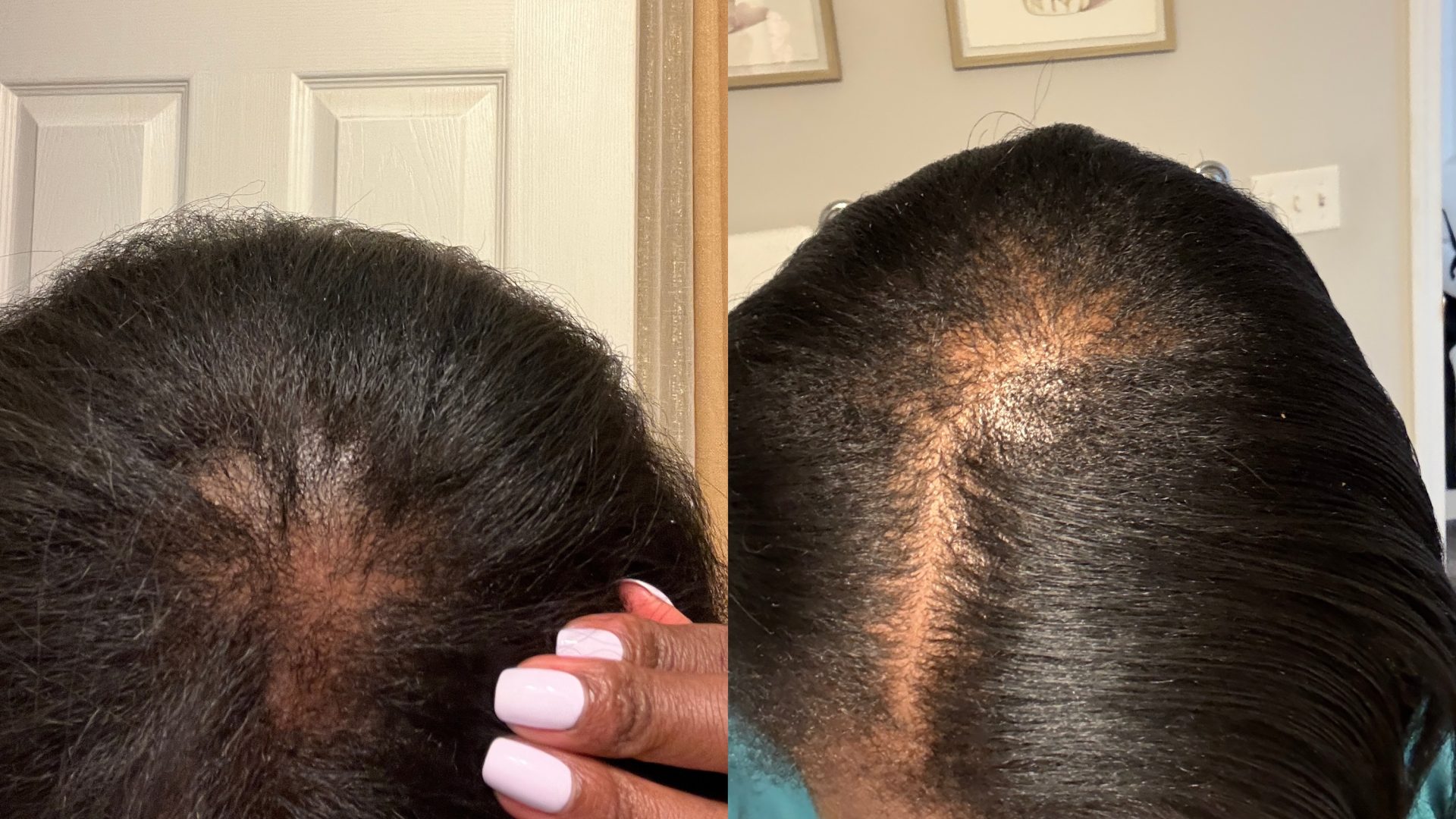
Several factors contribute to postpartum hair loss beyond hormonal changes:
1) Hormonal Fluctuations
- A rapid drop in estrogen and progesterone after delivery triggers hair follicles to enter the shedding phase.
- Thyroid hormone changes in some mothers may further exacerbate hair thinning.
2) Nutritional Deficiencies
- Pregnancy and breastfeeding increase nutrient demands, often leading to deficiencies in iron, zinc, protein, and vitamins essential for hair growth.
- Inadequate caloric intake or unbalanced diets can slow regrowth and increase shedding.
3) Physical and Emotional Stress
- Labor, sleep deprivation, and postpartum stress impact the body’s ability to maintain hair health.
- Stress can push hair follicles into the shedding phase prematurely, amplifying hair loss.
4) Hair Care Practices
- Tight hairstyles, frequent chemical treatments, or excessive heat styling can damage fragile postpartum hair.
- Gentle handling of hair during this period is crucial to prevent breakage and promote regrowth.
Nutrition and Lifestyle Strategies to Support Hair Recovery
Supporting hair regrowth involves addressing nutritional gaps, minimizing stress, and optimizing overall health. Small, consistent changes can have a measurable impact on hair thickness and strength.
Eat Hair-Healthy Foods
- Protein: Hair is primarily made of keratin, a protein; ensure adequate intake through eggs, lean meat, fish, legumes, and dairy.
- Iron-Rich Foods: Red meat, lentils, and leafy greens help prevent iron deficiency, which is linked to hair shedding.
- Vitamins and Antioxidants: Vitamins A, C, D, and E support follicle health. Fresh fruits, vegetables, nuts, and seeds are essential.
- Omega-3 Fatty Acids: Found in fish like salmon and in flaxseed, these fats promote scalp circulation and hair strength.
Stay Hydrated
- Adequate water intake helps maintain healthy scalp skin and prevents dryness, supporting stronger hair growth.
Manage Stress and Sleep
- Sleep deprivation is common postpartum but affects hormone balance. Short naps, shared caregiving, and relaxation exercises can reduce stress-related shedding.
- Meditation, deep breathing, or light postpartum yoga can improve circulation and hair follicle recovery.
Hair Care Tips for the Postpartum Period
Gentle Hair Handling
- Use wide-tooth combs and soft brushes to minimize breakage.
- Avoid tight ponytails or braids that place tension on hair follicles.
Avoid Harsh Treatments
- Limit chemical dyes, relaxers, and frequent heat styling while hair is fragile.
- Focus on natural drying and styling methods.
Scalp Care
- Regular scalp massages stimulate blood flow and encourage follicle activity.
- Using mild shampoos and conditioners helps prevent irritation and breakage.
Products Available from That Support Postpartum Hair Recovery
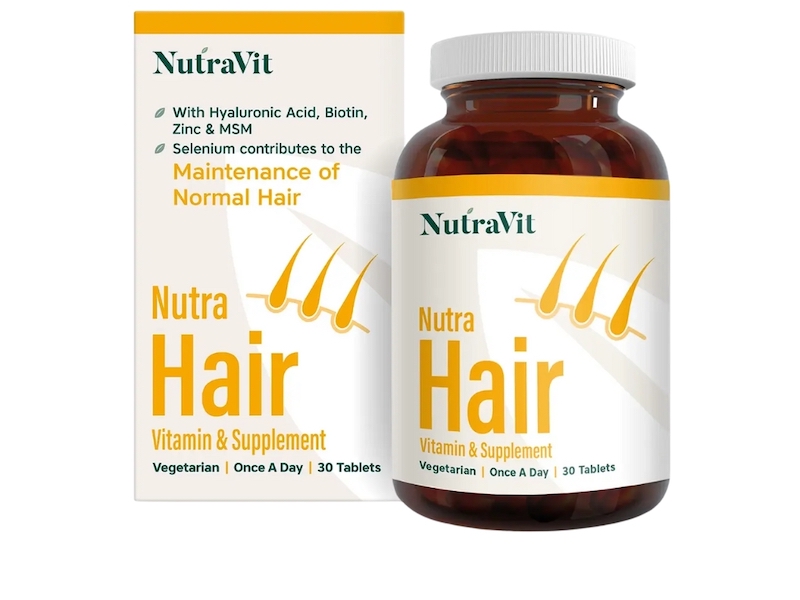
Principle Healthcare Skin, Hair, and Nails is a supplement that gives your body micronutrients that will support and nourish the building blocks of your skin, hair, and nails.
These nutrients help in optimizing the health and appearance of skin, hair, and nails thus ensuring you look radiant from the inside.
Nutra Hair Tabs - 30’s are scientifically formulated to combat hair thinning, promote growth, and support overall scalp health. Ideal for anyone experiencing hair fall, weak strands, or slow hair regrowth, these daily supplements provide the perfect blend of Biotin, Zinc, Folic Acid, and other hair-boosting nutrients to nourish your hair from within.
Tresemme Volume and Body Shampoo is uniquely formulated to ensure that hair is lifted, bumped, and body is boosted without adding weight to your hair. With Tresemme Volume and Body Shampoo, you get a head-turning, high hairstyle that is moisturized and soft.
When to Seek Medical Advice
While postpartum hair shedding is usually temporary, consult a healthcare provider if:
- Hair loss continues beyond 12 months postpartum
- Large patches of hair fall out suddenly (alopecia areata)
- You experience scalp irritation, redness, or infection
- Nutritional deficiencies are suspected
A professional can evaluate hormonal, nutritional, or thyroid issues and recommend personalized support.
Postpartum hair loss is a natural consequence of hormonal shifts after childbirth, yet it can be distressing for new mothers.
By understanding the causes, following nutritional and lifestyle strategies, practicing gentle hair care, and using supportive products from Pharmily Limited Kenya, hair regrowth can be effectively supported.
Consistency, patience, and targeted care are key. With the right approach, new mothers can restore hair strength, reduce shedding, and regain confidence while enjoying the joys of parenthood.
FAQs
Q1: Is postpartum hair loss permanent?
A: No. Most mothers experience hair regrowth within 6–12 months as hormone levels normalize.
Q2: Can supplements help with postpartum hair loss?
A: Yes. Multivitamins and biotin-rich supplements from Pharmily Limited Kenya support follicle recovery and strengthen hair.
Q3: How can I reduce hair shedding at home?
A: Gentle hair care, scalp massages, stress reduction, balanced diet, and limiting heat/chemical treatments can reduce shedding.
Q4: When should I see a doctor for postpartum hair loss?
A: If shedding persists beyond a year, is patchy, or is accompanied by scalp issues, seek medical evaluation for potential hormonal or thyroid concerns.
Q5: Can diet affect hair regrowth postpartum?
A: Absolutely. Adequate protein, iron, vitamins, and omega-3s promote follicle strength and healthy regrowth.