Pressure Sore Prevention for Bedridden Patients: A Complete Home-Based Care Guide
by Maroa Noa · 20 Feb 2026
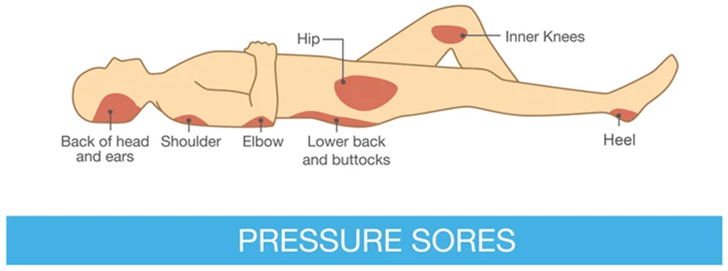
Caring for a bedridden patient at home is an act of love, patience, and commitment. Whether you’re looking after an elderly parent, a recovering patient, or a loved one with a chronic illness, one concern often comes up sooner than expected — pressure sores.
Pressure sores don’t appear overnight, but once they develop, they can be painful, slow to heal, and even life-threatening if infected. The encouraging truth is this: most pressure sores are preventable with the right knowledge, routine care, and simple tools.
This guide walks you through everything you need to know about pressure sore prevention, using clear language and practical tips you can apply at home starting today.
What Are Pressure Sores? A Simple Explanation
Pressure sores — also called bedsores or pressure ulcers — are areas of damaged skin and tissue caused by prolonged pressure. When someone stays in the same position for too long, blood flow to certain parts of the body is reduced. Without enough blood, oxygen, and nutrients, the skin begins to break down.
Pressure sores commonly develop in bedridden patients because movement is limited or absent.
Common areas where pressure sores form include:
- Heels and ankles
- Hips and tailbone
- Lower back
- Elbows and shoulders
- Back of the head
These are areas where bones press closely against the skin.
Why Bedridden Patients Are at Higher Risk
Pressure sores don’t mean poor caregiving — they mean the body is under stress. Bedridden patients are more vulnerable because:
- They cannot change position on their own
- Blood circulation may already be reduced due to illness
- Skin becomes thinner and more fragile with age
- Moisture from sweat or incontinence weakens the skin
- Poor appetite or illness may affect nutrition
Understanding these risks is the first step toward effective pressure sores prevention.
Why Preventing Pressure Sores Is So Important
Pressure sores are not just surface wounds. If ignored, they can progress from mild redness to deep open wounds affecting muscles and bones.
If untreated, pressure sores can lead to:
- Severe pain and discomfort
- Serious skin and blood infections
- Longer recovery time
- Hospital admission
- Reduced quality of life
Prevention is far easier, less costly, and far less painful than treatment.
Essential Home-Based Care Practices for Pressure Sore Prevention
1. Repositioning: The Foundation of Bedridden Care
Repositioning is the single most important step in preventing pressure sores.
A bedridden patient should be repositioned every two hours to relieve pressure and restore blood flow. Even small adjustments — turning slightly to one side or supporting the body with pillows — can make a huge difference.
Helpful tips:
- Alternate between back, left side, and right side
- Use pillows to reduce pressure on bony areas
- Avoid dragging the patient, which causes skin friction
2. Invest in Pressure-Relieving Support Surfaces
A standard mattress concentrates pressure in the same areas. Pressure-relieving mattresses are designed to distribute weight evenly.
These mattresses:
- Reduce continuous pressure
- Improve blood circulation
- Increase comfort
- Lower the risk of skin breakdown
For long-term bedridden care, this is not a luxury — it’s a necessity.
3. Keep the Skin Clean, Dry, and Protected
Skin that stays wet or dirty breaks down much faster.
Daily skin care should include:
- Gentle cleaning with mild soap
- Thorough drying, especially in skin folds
- Application of protective barrier creams
Never scrub fragile skin — gentle care preserves the skin barrier.
4. Daily Skin Checks Save Lives
Pressure sores often start quietly, with subtle signs caregivers might miss.
Check the skin daily for:
- Redness that doesn’t fade
- Warm or swollen areas
- Shiny or hard skin
- Complaints of pain or burning
Catching these signs early can stop a sore from developing.
5. Nutrition and Hydration Matter More Than You Think
Healthy skin needs fuel to stay strong.
Bedridden patients require:
- Adequate protein to repair skin
- Vitamins like A, C, and E
- Zinc for wound healing
- Enough fluids to maintain skin elasticity
Poor nutrition weakens the skin and slows healing, making pressure sores more likely.
Helpful Products from Pharmily Limited Kenya
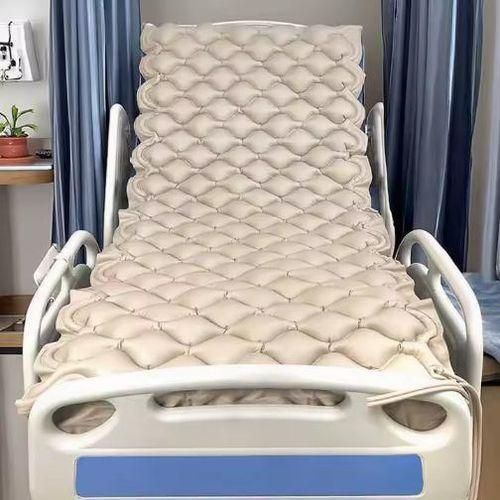
Supportive products can significantly improve bedridden care at home. Below are four products available at Pharmily Limited Kenya that help prevent, manage, and support pressure sore care.
1. Anti-Bedsore Air Mattress
This mattress alternates pressure points automatically, preventing prolonged pressure on any one area. It is one of the most effective tools for long-term pressure sore prevention in bedridden patients.
2. Zinc & Castor Oil Cream
Zinc & Castor Oil Cream combines the skin-soothing benefits of zinc oxide with the natural emollient properties of castor oil. It forms a protective layer on the skin, helping to prevent irritation from moisture, friction, or environmental factors.
3. Betadine Antiseptic Solution
For early skin damage or minor wounds, Betadine helps clean the area and reduce the risk of infection while healing begins.
4. Nutritional Supplements; Quest Once A Day Multivitamins
Nutritional supplements provide protein, calories, and essential vitamins to support skin strength, immunity, and recovery when regular meals are insufficient.
NOTE: Always consult a healthcare professional before starting new treatments or supplements.
Common Caregiving Mistakes to Avoid
- Leaving a patient in one position for too long
- Ignoring early redness
- Using harsh soaps or powders
- Skipping meals or hydration
- Assuming pressure sores are unavoidable
Pressure sores are not a normal part of bedridden care — they are largely preventable.
When to Seek Medical Help
Contact a healthcare provider immediately if:
- Skin breaks open or forms a wound
- There is pus, foul smell, or swelling
- The patient develops fever or severe pain
- The sore worsens despite proper home care
Early medical intervention prevents complications.
Pressure sore prevention is about attention, consistency, and compassion. Small daily actions — turning a patient, checking their skin, ensuring good nutrition — can prevent serious complications and unnecessary suffering.
With the right home-based care practices and supportive products from Pharmily Limited Kenya, caregivers can protect their loved ones, preserve comfort, and improve quality of life.
FAQs
Q. How often should a bedridden patient be repositioned?
Every two hours is ideal to prevent pressure buildup and skin damage.
Q. Can pressure sores be prevented completely?
In many cases, yes. With consistent repositioning, skin care, nutrition, and pressure-relieving tools, the risk is significantly reduced.
Q. Are pressure sores painful?
Yes. They can be extremely painful and become worse if infected.
Q. Do pressure sores heal at home?
Early-stage sores can heal with proper care. Advanced sores require medical treatment.
Q. Is a special mattress really necessary?
For long-term bedridden patients, a pressure-relieving mattress is one of the most effective prevention tools available.