Reproductive Health Effects of Frequent Antibiotic Use: What You Should Know
by Maroa Noa · 10 Jun 2026
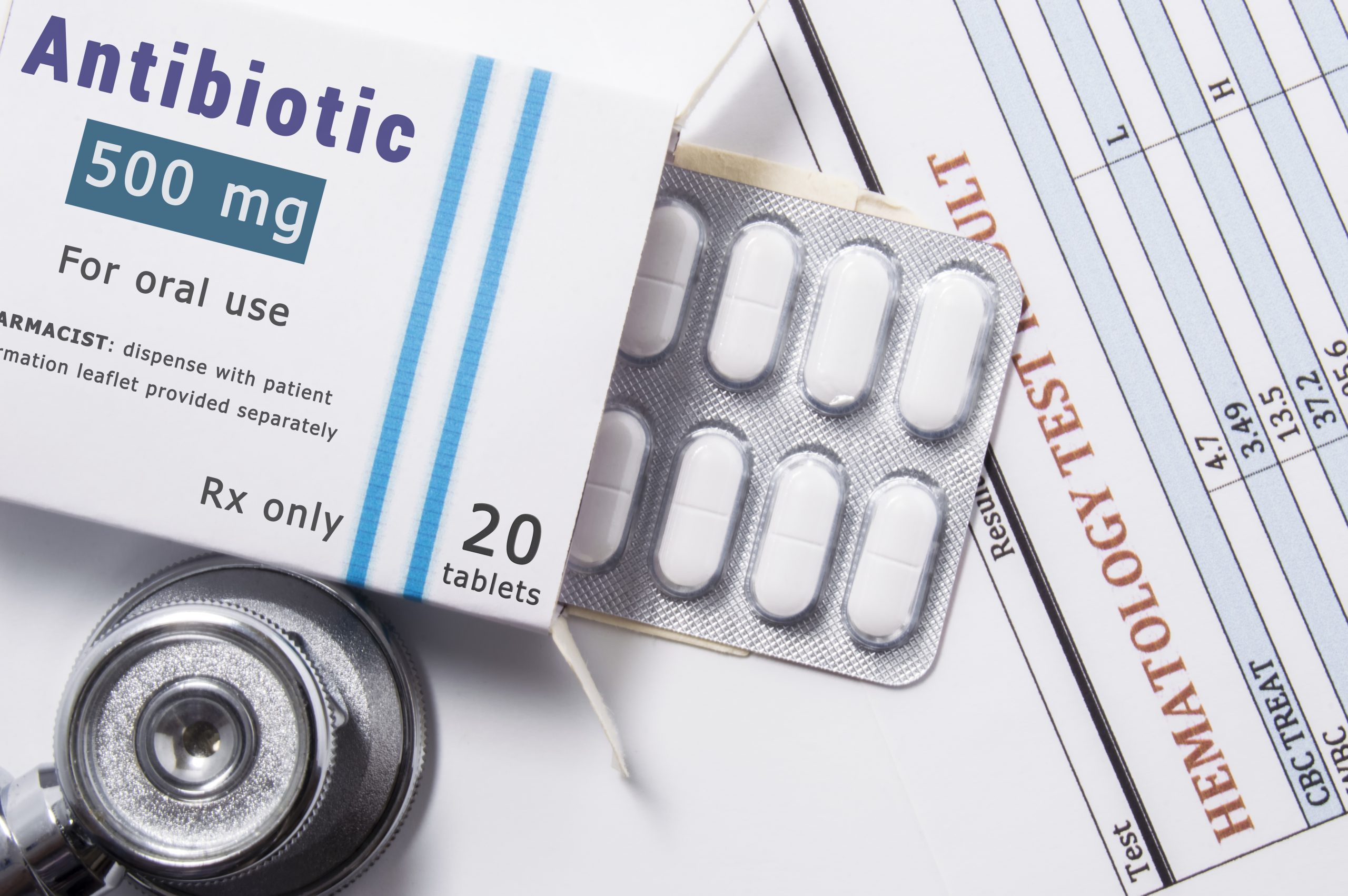
Antibiotics are some of the most commonly used medicines in Kenya. They help treat bacterial infections such as urinary tract infections (UTIs), respiratory infections, skin infections, and certain sexually transmitted infections (STIs).
When used correctly, antibiotics can prevent serious complications and help people recover faster.
But have you ever wondered whether taking antibiotics frequently can affect your reproductive health?
It's a valid question. Many people worry about whether antibiotics can cause fertility problems, affect pregnancy, interfere with birth control, or lead to recurring vaginal infections.
The good news is that most antibiotics do not directly harm fertility. However, frequent or unnecessary antibiotic use can affect the natural balance of bacteria in the body, which may lead to other reproductive health concerns.
Understanding how antibiotics interact with your body can help you use them safely while protecting your long-term reproductive health.
Can Frequent Antibiotic Use Affect Reproductive Health?
The short answer is yes—but not usually in the way most people think.
Many people worry that taking antibiotics regularly will directly affect their fertility. Fortunately, most antibiotics do not cause infertility in either men or women.
However, frequent antibiotic use can affect reproductive health in several indirect ways, including:
- Disrupting the natural balance of healthy bacteria
- Increasing the risk of vaginal yeast infections
- Contributing to antibiotic resistance
- Making certain infections more difficult to treat
- Increasing the likelihood of recurrent infections
The biggest concern is often not the antibiotic itself, but how repeated antibiotic exposure affects the body's natural protective systems.
How Antibiotics Affect the Vaginal Microbiome
Your body contains billions of beneficial bacteria that help keep harmful microorganisms under control.
In women, healthy vaginal bacteria—particularly Lactobacillus species—play an important role in maintaining reproductive health. These bacteria help:
- Maintain a healthy vaginal pH
- Prevent harmful bacteria from multiplying
- Reduce the risk of infections
- Support overall vaginal comfort
When antibiotics are used, they kill the bacteria causing the infection. Unfortunately, they may also destroy some of these beneficial bacteria.
As a result, the vaginal environment can become unbalanced, creating an opportunity for yeast and harmful bacteria to grow.
Think of It Like a Garden
Imagine your healthy bacteria are flowers in a garden.
When antibiotics remove harmful bacteria, some healthy bacteria may also be removed. This leaves empty spaces where unwanted organisms can grow more easily.
That is why some women develop vaginal infections shortly after completing an antibiotic course.
One of the Most Common Effects: Yeast Infections
If you have ever taken antibiotics and later developed itching or unusual discharge, you are not alone.
Yeast infections are one of the most frequently reported reproductive health side effects associated with antibiotic use.
Common Symptoms
Watch out for:
- Intense vaginal itching
- Burning sensation
- Thick white discharge
- Redness or irritation
- Discomfort during sexual intercourse
Why It Happens
Healthy bacteria normally help keep yeast growth under control.
When antibiotics reduce these protective bacteria, yeast may multiply rapidly and cause symptoms.
How It Can Affect Daily Life
A yeast infection can interfere with:
- Sleep quality
- Exercise routines
- Work productivity
- Sexual wellbeing
- Overall comfort
For women who frequently use antibiotics, recurrent yeast infections can become a frustrating cycle.
Can Antibiotics Affect Fertility?
This is one of the most searched questions online.
The good news is that most antibiotics do not directly affect fertility.
In fact, antibiotics often help protect fertility by treating infections before they cause complications.
For example, antibiotics are commonly used to treat:
- Chlamydia
- Gonorrhoea
- Pelvic inflammatory disease (PID)
- Urinary tract infections
Treating these infections promptly may actually reduce the risk of fertility problems later on.
What Poses a Greater Risk?
The bigger threat to fertility is often the following:
- Untreated infections
- Delayed treatment
- Recurrent infections
- Antibiotic-resistant infections
This is why seeking medical attention early is important whenever symptoms develop.
Signs You Should Speak to a Healthcare Professional
Seek medical advice if you experience:
- Frequent yeast infections
- Recurrent urinary tract infections
- Persistent pelvic pain
- Unusual vaginal discharge
- Symptoms that keep returning after treatment
- Fever accompanied by reproductive health symptoms
Early treatment can help prevent complications and improve long-term reproductive health outcomes.
Quick Summary
|
Potential Effect |
How Common Is It? |
Usually Temporary? |
|
Yeast infections |
Common |
Yes |
|
Vaginal irritation |
Common |
Yes |
|
Microbiome disruption |
Common |
Usually |
|
Fertility problems |
Rare |
Depends on underlying cause |
|
Antibiotic resistance |
Increasingly common |
Can be long-term |
The key takeaway is that antibiotics remain essential medicines. The goal is not to avoid them, but to use them appropriately and only when medically necessary.
FAQs
1. Can frequent antibiotic use affect fertility?
Most antibiotics do not directly cause infertility. In fact, antibiotics often help protect fertility by treating infections before they cause damage to the reproductive organs.
2. Can antibiotics cause vaginal yeast infections?
Yes. Antibiotics can reduce the number of healthy bacteria in the vagina, particularly Lactobacillus species that help maintain a healthy balance. When these beneficial bacteria decrease, yeast can grow more easily, leading to symptoms such as itching, irritation, and unusual discharge.
3. Do antibiotics affect hormonal birth control?
Most antibiotics do not significantly reduce the effectiveness of hormonal contraceptives such as birth control pills, implants, injections, or hormonal IUDs. However, certain medications can interact with hormonal contraception.
4. Can antibiotics cause irregular periods?
Antibiotics themselves do not usually cause changes in menstrual cycles. However, the illness being treated, physical stress, hormonal changes, or other medications may affect menstruation.
5. Are antibiotics safe during pregnancy?
Many antibiotics are considered safe during pregnancy when prescribed by a qualified healthcare provider. However, not all antibiotics are suitable during pregnancy. Pregnant women should always seek medical advice before taking any medication.
6. Why do I keep getting infections after taking antibiotics?
Repeated infections may occur if the underlying cause has not been fully addressed, if antibiotic resistance has developed, or if the body's natural bacterial balance has been disrupted.
7. Can frequent antibiotic use lead to antibiotic resistance?
Yes. Frequent or inappropriate antibiotic use can encourage bacteria to develop resistance, making future infections harder to treat. This is one of the biggest reasons healthcare professionals recommend using antibiotics only when necessary and exactly as prescribed.
8. Should I take probiotics when using antibiotics?
Some healthcare providers recommend probiotics to help support healthy bacteria during or after antibiotic treatment. However, probiotic use may not be necessary for everyone. Speak with your healthcare provider or pharmacist about the best option for your situation