Safe Skin Lightening Practices Without Long-Term Damage
by Maroa Noa · 11 Jun 2026
Brighter Skin Shouldn't Come at a Cost
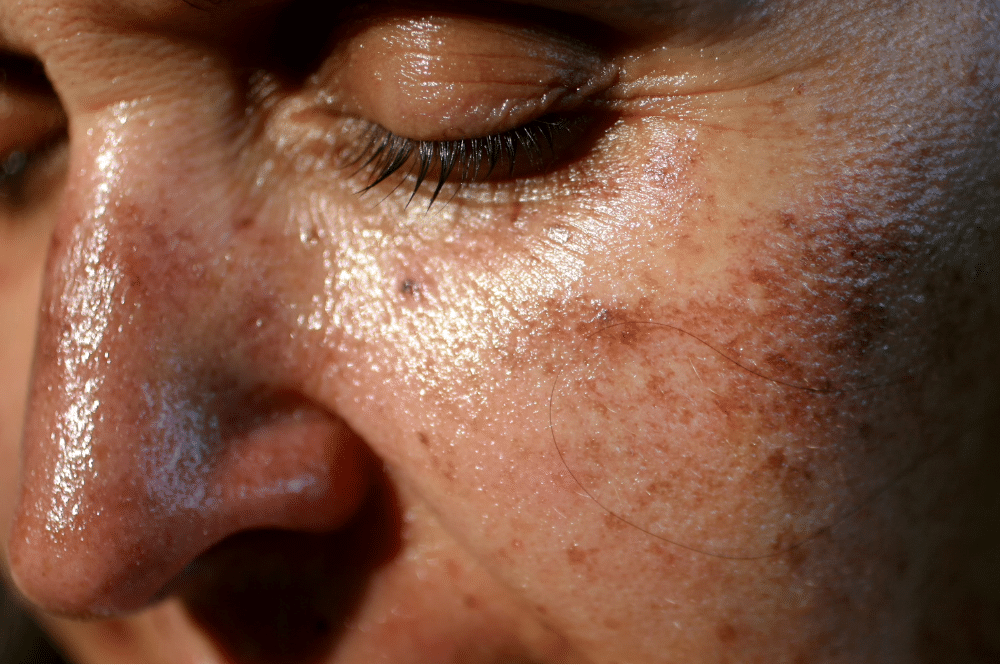
Let's be honest — at some point, most of us have looked in the mirror and wished away a dark patch, a stubborn pigmentation mark, or an uneven skin tone. Whether it's post-acne marks, sun spots, melasma, or patches that have darkened over time, the desire for a brighter, more even complexion is one of the most common skincare concerns out there.
The trouble is, "skin lightening" has picked up a bit of a reputation problem — and rightly so. For decades, the market has been flooded with products containing harsh, often banned ingredients (think hydroquinone in unregulated concentrations, mercury, and high-strength steroids) that promise dramatic results overnight but leave skin thinner, more sensitive, and sometimes permanently damaged.
Here's the good news: there is a safe, effective way to even out your skin tone, fade stubborn dark spots, and achieve a healthy glow — without putting your skin's long-term health at risk.
This guide walks you through exactly what safe skin lightening looks like, the ingredients to seek out (and the ones to avoid entirely), and the gentle, dermatologist-approved products available at Pharmily Kenya that can help you get there.
Key Takeaways
- Safe skin lightening is about fading targeted areas of hyperpigmentation gently and gradually — not altering your overall skin tone.
- Avoid mercury, high-strength unsupervised hydroquinone, potent steroids, and DIY acidic remedies entirely — these carry serious long-term risks.
- Effective, gentle ingredients include niacinamide, vitamin C, phenylethyl resorcinol, azelaic acid, and gentle exfoliating acids.
- Sunscreen is essential — without it, brightening ingredients simply can't do their job effectively.
- Results take time: expect noticeable improvement from around four to six weeks, with more significant change by twelve weeks.
- A simple, consistent routine — cleanser, targeted serum, and sunscreen — beats an aggressive, ever-changing one every time.
What Do We Actually Mean by "Skin Lightening"?
Before we go any further, it's worth clarifying something important. In this article, "skin lightening" doesn't mean changing your natural skin colour or tone overall. Rather, it refers to targeting specific areas of hyperpigmentation — dark spots, patches, or discolouration — to help even out your overall complexion.
This distinction matters enormously, both for your skin's health and for setting realistic expectations. The safest, most effective treatments work by gently fading excess pigment in specific areas, rather than altering your skin's natural melanin production across the board.
Common Causes of Hyperpigmentation
- Post-inflammatory hyperpigmentation (PIH) — dark marks left behind after acne, cuts, insect bites, or other skin injuries
- Melasma — patches of darker skin, often triggered by hormonal changes (such as pregnancy or contraceptive use) and worsened by sun exposure
- Sun damage — flat, brown spots that develop from years of UV exposure
- Ageing — naturally occurring "age spots" or "liver spots", particularly on the face and hands
Understanding why your skin is discoloured in the first place helps you choose the right approach — and manage your expectations about how quickly (and how much) improvement you're likely to see.
The Dangerous Ingredients to Avoid Entirely
Before we discuss what works, it's essential to flag what doesn't – and what can actively harm you.
1. Mercury
Mercury-based skin lightening creams, though banned in most countries, including Kenya, unfortunately still circulate through informal markets.
Mercury can be absorbed through the skin and accumulate in the body, leading to kidney damage, neurological problems, and skin discolouration that worsens over time. If a product doesn't list its full ingredients or promises results that sound too dramatic to be true, steer well clear.
2. High-Strength, Unsupervised Hydroquinone
Hydroquinone is a legitimate, effective skin-lightening ingredient when used correctly under medical supervision — typically at concentrations of 2% or below for over-the-counter use.
The problem arises with unregulated products containing far higher concentrations, used without breaks or guidance, which can cause a condition called ochronosis — a paradoxical, permanent darkening and thickening of the skin.
3. Potent Topical Steroids
Steroid creams are sometimes misused for their temporary skin-lightening side effects. Long-term, unsupervised use of strong steroids can cause skin thinning, stretch marks, visible blood vessels, increased susceptibility to infections, and — once stopped — a rebound darkening that's often worse than the original concern.
4. Harsh, Undiluted Acids and DIY "Remedies"
Lemon juice, undiluted vinegar, and other acidic DIY treatments are popular online but can cause chemical burns, increased sun sensitivity, and ironically, more pigmentation as the skin reacts to the injury. If it isn't formulated and tested for skin use, it doesn't belong on your face.
The Safe, Effective Approach: Ingredients That Actually Work
Now for the encouraging part. There's a wealth of well-researched, gentle ingredients that can visibly improve hyperpigmentation over time — without compromising your skin's barrier or long-term health.
Niacinamide (Vitamin B3)
Niacinamide is something of an all-rounder. It works by interrupting the transfer of pigment to the skin's surface, helping to fade dark spots gradually while also strengthening the skin barrier, calming redness, and regulating oil production. It's well-tolerated by virtually all skin types, including sensitive and acne-prone skin.
Vitamin C (Ascorbic Acid)
A powerful antioxidant, vitamin C brightens the complexion, helps fade dark spots, and protects the skin from further UV-induced pigmentation. It works particularly well when paired with sunscreen, as it helps neutralise free radical damage from sun exposure.
Phenylethyl Resorcinol
A newer-generation brightening ingredient, phenylethyl resorcinol, is prized for being significantly more potent than many traditional brightening agents while remaining gentle enough for regular use. It targets the enzyme responsible for melanin production, helping to fade existing dark spots and prevent new ones from forming.
Azelaic Acid
Naturally derived and well-tolerated, azelaic acid is particularly effective for post-acne marks and is safe to use during pregnancy (always check with your doctor first). It works by gently exfoliating and reducing inflammation, which helps fade discolouration over time.
Gentle Exfoliating Acids (AHAs and Lipo-Hydroxy Acid)
Ingredients like glycolic acid, lactic acid, and lipo-hydroxy acid (LHA) help to gently remove the outermost layer of pigmented skin cells, encouraging fresher, more evenly toned skin to surface. Used in moderation, these can speed up the fading process considerably.
Sunscreen — The Most Important "Treatment" of All
If there's one thing to take away from this entire article, let it be this: no skin-brightening ingredient will work effectively without daily sunscreen.
UV exposure is one of the primary drivers of hyperpigmentation, and it can undo weeks of progress in a single unprotected afternoon. Sunscreen isn't an optional extra in a brightening routine — it's the foundation everything else is built on.
Building a Safe Skin-Brightening Routine
The key to safe, sustainable results lies in consistency and patience — not potency. Here's how to structure a gentle, effective routine.
Step 1: Start With a Gentle, Brightening Cleanser
Your cleanser sets the tone for the rest of your routine. A gentle formula that supports brightening without stripping the skin is the ideal starting point.
Recommended Product: La Roche-Posay Pigmentclar Cleanser 125ml
This rich, foaming cleanser is formulated with micro-exfoliating lipo-hydroxy acid, which gently removes impurities while encouraging a brighter, more even skin tone.
It's an excellent first step in a brightening routine, leaving the skin feeling soft, smooth, and refreshed without any tightness or irritation. Suitable for daily use, morning and evening, it pairs beautifully with the brightening serums and treatments that follow in your routine.
Step 2: Apply a Targeted Brightening Serum
This is where the real work happens. Brightening serums deliver concentrated active ingredients directly to areas of concern.
Recommended Product: La Roche-Posay Pigmentclar Serum 30ml
A firm favourite for good reason, this lightweight serum combines salicylic acid, phenylethyl resorcinol, niacinamide, and ferulic acid in one formula — a genuinely well-rounded approach to fading dark spots and unifying skin tone.
The added hyaluronic acid keeps the skin hydrated and comfortable throughout treatment, while the gentle exfoliating action helps reveal brighter, smoother skin underneath.
For best results, apply to clean skin morning or evening, and introduce it gradually if your skin is on the sensitive side — perhaps every other day to begin with, building up to daily use as your skin adjusts.
Recommended Product: La Roche-Posay Niacinamide B9 Serum 30ml
If you're after a gentler entry point — or simply prefer to keep things simple — this concentrated 10% niacinamide serum, paired with vitamin B9 (folic acid), is a wonderful option.
It's specifically designed to target pigmentation and uneven tone while simultaneously strengthening the skin's barrier, making it particularly well-suited to those with sensitive or reactive skin.
Most users notice improvements in brightness and tone within one to two weeks, with more significant fading of dark spots emerging over several weeks of consistent use. It layers beautifully under moisturiser and sunscreen and can be used both morning and evening.
Recommended Product: COSMO Vitamin C 10% Serum 30ml
For those wanting to add an antioxidant boost to their morning routine, this stabilised 10% vitamin C serum is a brilliant, accessible option.
Alongside its brightening properties, it helps protect the skin from environmental damage and free radicals — particularly useful given Kenya's strong, year-round sunshine.
The formula is lightweight, hydrating, and suitable for all skin types, including oily and acne-prone skin. Apply it in the morning, underneath your moisturiser and sunscreen, for an extra layer of protection and radiance.
A quick note on layering actives: if you're using more than one brightening active (such as both a niacinamide serum and a vitamin C serum), it's generally best to alternate them — vitamin C in the morning, niacinamide in the evening — rather than layering several potent actives at once. This helps avoid irritation while still allowing each ingredient to do its job.
Step 3: Lock It All In With Sunscreen
We've said it once, but it bears repeating: sunscreen is non-negotiable. Without it, the very pigmentation you're trying to fade can return — often more stubbornly than before.
Recommended Product: La Roche-Posay Effaclar Duo (+) SPF 30, 40ml
While this product is often recommended for congested or acne-prone skin, it's equally valuable in a brightening routine thanks to its broad-spectrum SPF 30 protection combined with niacinamide and gentle exfoliating LHA.
Used every morning, it helps shield the skin from the UV exposure that drives further pigmentation, while continuing to support an even skin tone throughout the day.
If you'd prefer a dedicated, fragrance-free sunscreen without additional active ingredients, that's a perfectly valid choice too — the most important factor is simply that you wear some broad-spectrum SPF 30 (or higher) every single day, regardless of the weather or whether you're spending the day indoors.
What to Expect: A Realistic Timeline
One of the most common reasons people abandon safe skin-brightening routines — and turn to harsher, riskier alternatives — is impatience. Gentle ingredients work, but they work gradually. Here's a realistic timeline:
- Weeks 1–2: Skin may appear slightly brighter and more refreshed as exfoliating ingredients begin to work
- Weeks 4–6: Gradual fading of lighter pigmentation marks becomes noticeable
- Weeks 8–12: More significant improvement in stubborn dark spots and overall tone evenness
- Beyond 12 weeks: Continued, cumulative improvement with consistent use — and crucially, maintenance of results, provided sunscreen remains part of the daily routine
Melasma, in particular, can take longer to improve and may require ongoing management rather than a one-time fix, especially as it's often linked to hormonal factors that persist over time.
When to See a Dermatologist
While the routine outlined above is safe for most people to follow at home, there are situations where professional guidance is invaluable:
- Your pigmentation is severe, widespread, or rapidly changing
- You suspect melasma and want a tailored treatment plan, particularly if hormonal factors are involved
- Over-the-counter products haven't produced any improvement after 12 weeks of consistent use
- You're considering prescription-strength treatments, such as higher-concentration hydroquinone or tretinoin
- You have a history of keloid scarring or particularly reactive skin
- Any mole, mark, or patch changes shape, colour, or size — this should always be assessed by a doctor, regardless of your skincare goals
A dermatologist can also offer in-clinic treatments such as chemical peels or laser therapy for more stubborn pigmentation, performed safely under professional supervision.
Glowing Skin Is a Marathon, Not a Sprint
There's a quiet kind of confidence that comes with skin you've genuinely cared for — skin that's healthy, comfortable, and gradually becoming more even in tone, without the anxiety of wondering what long-term damage might be lurking beneath the surface.
Safe skin brightening isn't about chasing the fastest results on the market. It's about choosing ingredients your skin can trust, protecting the progress you make with daily sunscreen, and giving your routine the time it genuinely needs to work. Done this way, brighter, more even-toned skin isn't just achievable — it's sustainable.
Ready to get started? Shop all the gentle, dermatologist-recommended brightening products featured in this article at Pharmily Kenya — Kenya's trusted online pharmacy, offering genuine products, fair prices, and reliable delivery nationwide.
FAQs
Q: Is it safe to lighten dark spots on my skin? Yes, when done using well-formulated, gentle ingredients such as niacinamide, vitamin C, azelaic acid, and phenylethyl resorcinol — alongside daily sunscreen. The key is targeting specific areas of hyperpigmentation gradually, rather than seeking dramatic, overnight changes through harsh or unregulated products.
Q: Can I use vitamin C and niacinamide together? Yes, generally speaking, these two ingredients work well together. Many people choose to use vitamin C in the morning (for its antioxidant, protective benefits) and niacinamide in the evening, though some well-formulated products do combine both safely. If you're new to actives, introducing one at a time allows you to monitor how your skin responds.
Q: How long does it take to see results from skin-brightening products? Most people begin noticing subtle improvements within four to six weeks, with more significant fading typically visible after eight to twelve weeks of consistent use. Patience is genuinely key — products that promise results within days are often the ones that carry the greatest risk of long-term damage.
Q: Are skin-lightening creams containing hydroquinone safe? Hydroquinone can be safe and effective at low concentrations (typically 2% or below) for short-term use, ideally under the guidance of a healthcare professional. Higher concentrations, prolonged use without breaks, or unregulated products are where the risks — including a condition called ochronosis — arise. If in doubt, opt for hydroquinone-free alternatives like those featured in this guide.
Q: Why is sunscreen so important for skin lightening? UV exposure stimulates melanin production, which is precisely what causes and worsens hyperpigmentation. Without daily sunscreen, any progress made by brightening ingredients can be quickly reversed — and existing dark spots can become darker still.
Q: Can I use exfoliating acids and brightening serums on the same day? It depends on the strength and frequency. Many brightening serums, including those featured in this guide, already contain gentle exfoliating ingredients (such as LHA or salicylic acid), so additional separate exfoliation isn't usually necessary.
Q: Is melasma treatable? Melasma can be managed and visibly improved, though it's often a more persistent form of pigmentation, particularly when linked to hormonal factors. A combination of gentle brightening ingredients, strict daily sunscreen use, and — where needed — guidance from a dermatologist tends to offer the best long-term results