Seasonal Weight Gain in Urban Professionals: Causes Beyond Diet and Exercise
by Maroa Noa · 24 Mar 2026
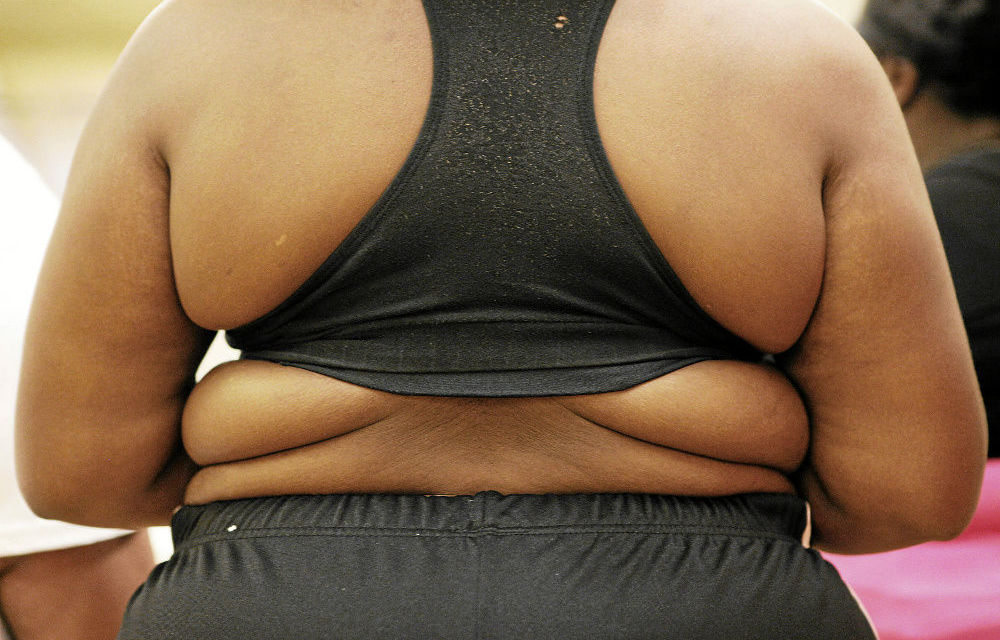
For many urban professionals, weight management is a constant challenge. Despite exercising regularly and watching what they eat, some notice their weight creeping up during certain seasons.
This phenomenon, commonly known as seasonal weight gain, affects physical health, energy levels, and even mental well-being.
Urban environments with busy work schedules, limited daylight, and heightened stress can make seasonal weight gain particularly difficult to control.
While diet and exercise play an important role, several other factors often contribute to weight fluctuations that office workers may not even realize.
Understanding the underlying causes and implementing practical strategies can help professionals maintain a healthy weight year-round.
This article explores why seasonal weight gain happens, beyond the usual diet and exercise explanations, and provides tips for prevention and management.
What Is Seasonal Weight Gain?
Seasonal weight gain refers to the gradual accumulation of body weight during certain times of the year, often in colder months.
Many people report gaining 2–5 pounds over the winter, even without major changes in their diet or activity level.
This type of weight gain is not purely behavioral. It often results from complex interactions between biology, environment, and lifestyle habits.
Urban professionals are particularly vulnerable due to sedentary jobs, commuting patterns, and stress, which can amplify seasonal effects.
Unlike sudden weight changes caused by overeating or illness, seasonal weight gain is slow and subtle, making it easy to overlook until it becomes significant over time.
Why Urban Professionals Are at Risk
Urban professionals face unique challenges that increase the likelihood of seasonal weight gain. Understanding these factors helps target solutions more effectively.
Sedentary Work and Long Hours
Sitting for extended periods slows metabolism and reduces energy expenditure. Even those who exercise regularly may not offset the effects of a desk-bound lifestyle, especially during the winter months when outdoor activity decreases.
Limited Sunlight Exposure
Shorter days in winter reduce exposure to sunlight, affecting hormone production, including melatonin and serotonin. Low serotonin levels can increase cravings for carbohydrate-rich comfort foods and reduce motivation for physical activity.
Stress and Busy Schedules
High workloads, tight deadlines, and constant digital notifications increase cortisol levels. Elevated cortisol promotes fat storage, especially around the abdomen, even in individuals who maintain a healthy diet.
Environmental and Social Factors
Seasonal weather influences indoor activities and eating habits. Winter often encourages more indoor snacking, rich meals, and less spontaneous movement, while office events and social gatherings add additional calories.
Biological Factors That Contribute to Seasonal Weight Gain
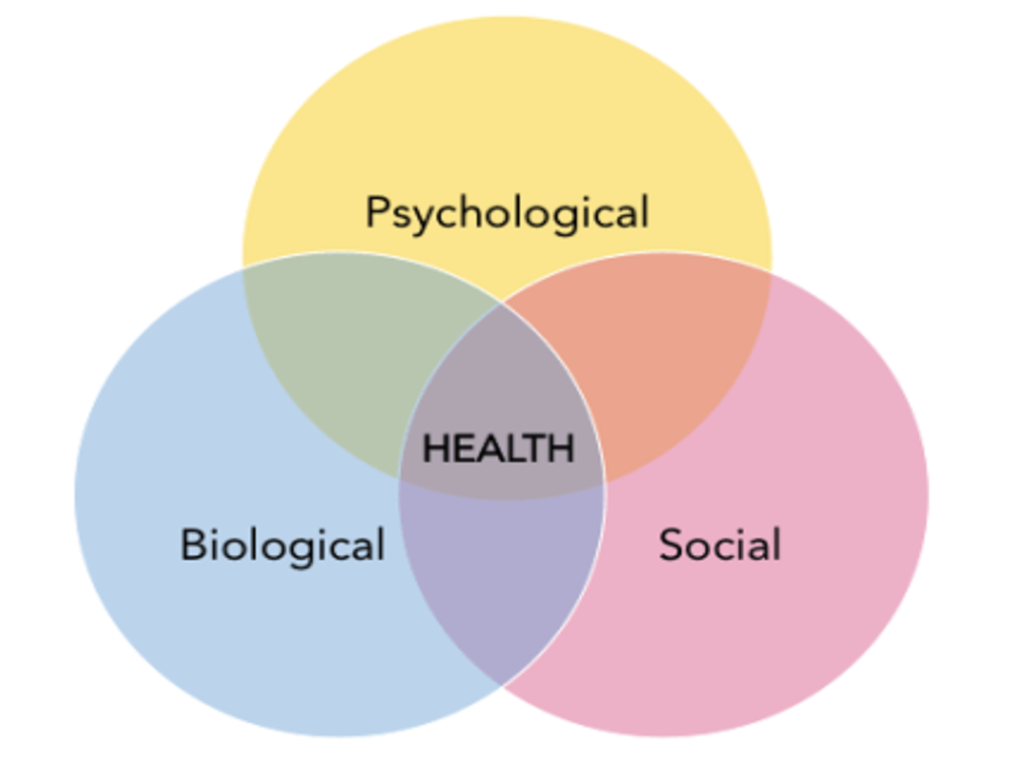
Weight fluctuations are not purely about calories in versus calories out. Several biological factors play a subtle but significant role:
Hormonal Fluctuations
Hormones like cortisol, leptin, and ghrelin influence appetite, cravings, and fat storage. Seasonal changes can disrupt circadian rhythms and affect these hormones, leading to increased appetite and fat accumulation.
Thermogenesis and Metabolism
Colder weather prompts the body to conserve energy to maintain core temperature. Reduced outdoor activity combined with energy conservation mechanisms can lead to slower metabolism and gradual weight gain.
Sleep Patterns
Shorter daylight hours often disrupt sleep schedules. Poor sleep affects appetite-regulating hormones, causing increased hunger and preference for high-calorie foods.
Lifestyle Triggers in Urban Professionals
Even with consistent exercise and healthy eating habits, certain urban lifestyle factors contribute to seasonal weight gain:
Commuting and Reduced Physical Activity
Winter weather or long commutes limit incidental movement, such as walking to public transport or taking stairs, reducing overall daily calorie expenditure.
Work-Related Eating Habits
Busy schedules encourage quick meals, often processed or high in sugar. Office snacks, coffee shop pastries, and holiday treats further add to the calorie load, especially when combined with stress-induced eating.
Social and Cultural Influences
Festive seasons, office parties, and networking events often revolve around calorie-dense foods and drinks. Regular attendance without adjustment in lifestyle can gradually increase weight.
Nutrition Strategies to Combat Seasonal Weight Gain
Dietary habits remain a critical tool for managing seasonal weight changes. However, adjustments need to go beyond “eat less, move more.”
Focus on Seasonal, Whole Foods
Incorporate fruits and vegetables that are in season, which are rich in fiber, antioxidants, and nutrients. These foods help increase satiety and reduce the tendency to overeat.
Mindful Eating
Pay attention to hunger cues, avoid eating while distracted at the desk, and control portion sizes during social events. Mindful eating reduces unconscious calorie intake.
Maintain Protein and Fiber Intake
Protein-rich foods and fiber promote satiety and stabilize blood sugar. Lean meats, legumes, whole grains, and vegetables are excellent choices to prevent cravings.
Limit High-Calorie Comfort Foods
It’s okay to enjoy seasonal treats, but moderation is key. Balance indulgences with lighter meals, and avoid habitual snacking on sugary or fried foods.
Lifestyle Strategies Beyond Diet and Exercise
While diet and exercise are essential, urban professionals can benefit from additional lifestyle adjustments to mitigate seasonal weight gain.
Optimize Sleep and Circadian Rhythm
Aim for consistent sleep schedules and adequate duration (7–9 hours per night). Good sleep helps regulate appetite hormones, reduces cravings, and improves energy for activity.
Stress Management
Engage in regular stress-relief practices, such as mindfulness, yoga, or deep breathing exercises. Lower cortisol levels reduce fat accumulation, particularly around the abdomen.
Encourage Incidental Activity
Take stairs, stretch during breaks, or walk for a few minutes every hour. Even short bouts of movement can improve metabolism and offset sedentary behavior.
Monitor Weight Regularly
Track weight weekly rather than daily. This helps identify gradual seasonal changes early and encourages proactive management before it becomes significant.
Stay Hydrated
Drinking adequate water supports metabolism and helps prevent mistaking thirst for hunger. Herbal teas can also provide warmth and satiety during colder months.
Products That Can Help with Seasonal Weight Gain in Urban Professionals

Here are effective pharmacy products you can order from Pharmily Limited Kenya to support your seasonal weight management efforts:
1. Seven Seas JointCare Active Omega‑3 Capsules - Rich in omega‑3 fatty acids, this product supports overall metabolic health and helps reduce inflammation, which may assist in weight regulation and energy balance.
2. VitaHealth Cod Liver Oil - An additional source of omega‑3s and vitamin D — important nutrients that support mood, metabolic function, and overall well‑being during seasons of limited sunlight.
3. Now Vitamin D3 1000 IU - Supplementing vitamin D may help sustain energy levels, support immune function, and improve mood — all of which contribute indirectly to healthy weight management during winter.
4. Probiotic Supplements - Supports gut health, which plays a role in digestion, metabolism, and appetite regulation — helpful for balancing seasonal metabolic changes.
5. BetterYou Magnesium Oil Spray - Magnesium supports stress regulation and promotes restful sleep — two important factors in maintaining a healthy weight and appetite.
➡ These products are available on Pharmily’s online pharmacy platform and can be conveniently delivered to your door. Always follow dosage instructions and consult a healthcare professional if unsure.
Seasonal weight gain is a multifaceted challenge, particularly for urban professionals balancing busy work schedules, limited activity, and environmental changes.
It is not solely a result of poor diet or insufficient exercise. Hormonal fluctuations, stress, sleep patterns, environmental factors, and lifestyle habits all contribute to gradual weight gain during certain seasons.
By understanding these underlying causes and implementing strategies like mindful eating, regular movement, stress management, sleep optimization, and seasonal nutrition, urban professionals can maintain a healthy weight year-round.
Awareness and small consistent adjustments are more effective than drastic, short-term efforts.
FAQs
Q1: Why do I gain weight in winter even when my diet doesn’t change?
A: Seasonal weight gain often occurs due to reduced sunlight, colder temperatures, slower metabolism, and hormonal fluctuations that increase appetite and fat storage.
Q2: Can stress contribute to seasonal weight gain in office workers?
A: Yes. Chronic stress raises cortisol levels, which can increase appetite, cravings, and abdominal fat storage, even if diet and exercise habits remain consistent.
Q3: How can I prevent seasonal weight gain without dieting excessively?
A: Focus on maintaining a balanced diet with fiber and protein, increase incidental activity, manage stress, get sufficient sleep, and monitor weight weekly.
Q4: Are supplements helpful for managing seasonal weight changes?
A: Certain supplements like vitamin D, omega-3 fatty acids, magnesium, and probiotics may support metabolism, energy, and gut health, complementing lifestyle strategies.
Q5: Does exercise alone prevent seasonal weight gain?
A: Exercise helps, but it may not fully prevent seasonal weight gain. Lifestyle factors like sleep, stress, diet quality, and incidental daily movement also play critical roles.