Skin Lightening vs. Skin Brightening in Kenya: What's the Difference and What's Safe?
by Maroa Noa · 01 Jul 2026
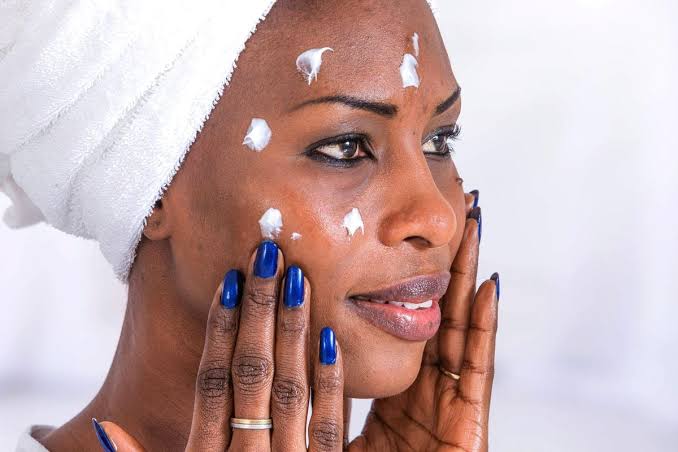
Many people dream of having radiant, even-toned skin. But in the quest for a brighter complexion, it's easy to get confused by terms like skin lightening, skin brightening, whitening, and bleaching. They're often used interchangeably in advertisements and on product labels, but they don't mean the same thing.
In Kenya, the skincare industry has grown rapidly over the past few years. Walk into any pharmacy or beauty shop or browse online, and you'll find hundreds of creams, serums, soaps, and lotions promising brighter or lighter skin.
While some of these products are perfectly safe and effective, others contain harmful ingredients that can permanently damage your skin and even affect your overall health.
So, how do you tell the difference between skin brightening and skin lightening? More importantly, which approach is actually safe?
This guide explains everything you need to know to make informed skincare choices and achieve healthy, glowing skin without putting yourself at risk.
Skin Lightening vs. Skin Brightening: What's the Difference?
Although they sound similar, skin brightening and skin lightening have very different goals.
Skin brightening focuses on improving your skin's overall appearance by reducing dullness, fading dark spots, and creating a more even skin tone. It doesn't change your natural skin colour—instead, it helps your skin look healthier and more radiant.
Skin lightening, on the other hand, is designed to reduce melanin (the pigment that gives skin its natural colour) to make the skin appear lighter. While some medical treatments safely lighten specific dark patches under a doctor's supervision, many over-the-counter "bleaching" products aim to lighten the entire complexion and may contain unsafe ingredients.
In simple terms:
|
Skin Brightening |
Skin Lightening |
|
Enhances your natural glow |
Changes your natural skin colour |
|
Fades dark spots and pigmentation |
Reduces melanin production |
|
Improves overall skin health |
May carry health risks if misused |
|
Suitable for most skin types |
Should only be used under professional guidance |
Why Do People Experience Uneven Skin Tone?
Before trying to "fix" your skin, it's important to understand why pigmentation happens in the first place.
Your skin naturally produces melanin, which protects it from harmful ultraviolet (UV) rays. Sometimes, your body produces extra melanin in certain areas, leading to dark patches or uneven skin tone.
Common causes include:
- Acne scars
- Sun exposure
- Hormonal changes during pregnancy
- Melasma
- Ageing
- Skin injuries
- Certain medications
- Inflammation from eczema or rashes
The good news is that many of these concerns can be improved with safe skincare products and healthy habits.
What Is Skin Brightening?

Skin brightening is all about restoring your skin's natural radiance.
Think of it as helping your skin become the healthiest version of itself rather than trying to change its natural colour.
Brightening products work by:
- Reducing dullness
- Evening out skin tone
- Fading acne marks
- Improving skin texture
- Supporting skin renewal
- Protecting the skin from environmental damage
Most dermatologists recommend skin brightening over skin bleaching because it focuses on skin health rather than altering your natural complexion.
Ingredients That Actually Work
When shopping for brightening products, look for ingredients backed by scientific research.
Vitamin C
Vitamin C is one of the most popular skincare ingredients worldwide. It helps brighten the skin, reduce pigmentation, and protect against damage caused by pollution and UV rays.
Niacinamide
Niacinamide (Vitamin B3) strengthens the skin barrier while helping reduce redness, enlarged pores, and uneven pigmentation.
Alpha Arbutin
Alpha Arbutin gently reduces the appearance of dark spots by slowing excess melanin production without damaging healthy skin.
Azelaic Acid
Ideal for people with acne-prone skin, Azelaic Acid helps treat breakouts while reducing post-acne pigmentation.
Kojic Acid
Derived from certain fungi, Kojic Acid is commonly used to fade stubborn pigmentation and sun spots when used correctly.
Hyaluronic Acid
Although it doesn't brighten directly, Hyaluronic Acid keeps the skin hydrated and plump, making it appear healthier and more radiant.
What Is Skin Lightening?
Skin lightening aims to reduce your skin's natural pigment.
Some dermatologists prescribe skin-lightening treatments for medical conditions such as:
- Melasma
- Severe hyperpigmentation
- Certain birthmarks
- Post-inflammatory pigmentation
These treatments are carefully monitored and usually involve prescription-strength creams or procedures.
Problems arise when people use unregulated bleaching creams purchased from informal markets or unknown online sellers.
Many of these products promise unrealistic results, such as:
- "Whiten your skin in 7 days"
- "Permanent skin bleaching"
- "Instant white complexion"
These claims are not only misleading—they can also be dangerous.
Is Skin Lightening Safe?
The answer depends on how it's done.
Medical skin-lightening treatments prescribed by qualified healthcare professionals can be safe for specific conditions.
However, using unknown creams or mixing products without proper guidance can lead to long-term complications.
Healthy skin should never be sacrificed for a lighter complexion.
If Your Goal Is Brighter, Healthier Skin, Here's a Simple Routine
You don't need dozens of products to achieve healthier-looking skin. A simple routine with the right ingredients can help fade dark spots, improve skin tone, and protect your skin from future pigmentation.
Step 1: Start with a Gentle Cleanser
Every effective skincare routine begins with cleansing. A cleanser removes dirt, excess oil, sunscreen, and impurities without stripping your skin.
For rough, dull, or uneven skin, consider CeraVe SA Smoothing Cleanser 236ml. It contains salicylic acid and ceramides that gently exfoliate while supporting the skin's natural barrier, making it a great choice for people dealing with post-acne marks and uneven texture.
Step 2: Treat Dark Spots with Brightening Ingredients
Once your skin is clean, apply a targeted treatment serum or cream.
A good option is Dark Spots Corrector Serum 30ml, which combines Vitamin C, Niacinamide, and Hyaluronic Acid to help fade acne marks, brighten dull skin, and improve hydration. It's suitable for most skin types and is designed for daily use.
If you're looking for a premium treatment for stubborn pigmentation, La Roche-Posay Mela B3 Cream 40ml is formulated with Melasyl™ and Niacinamide (Vitamin B3) to visibly reduce dark spots while strengthening the skin barrier.
Step 3: Moisturise and Protect Your Skin
Hydration helps maintain a healthy skin barrier, while sunscreen prevents pigmentation from becoming darker.
The La Roche-Posay Pigmentclar Daily Moisturiser SPF 30 is an excellent two-in-one product. It hydrates the skin, helps reduce the appearance of dark spots, and provides SPF 30 protection against UV rays—the leading cause of hyperpigmentation.
Step 4: Support Overnight Skin Renewal
Your skin repairs itself while you sleep, making nighttime the ideal opportunity to use a targeted brightening cream.
Bioderma Pigmentbio Night Renewer 50ml is designed to work overnight to brighten the complexion, improve skin texture, and gradually reduce the appearance of pigmentation with consistent use.
Recommended Pharmily Products for Hyperpigmentation and Skin Brightening
|
Skin Concern |
Recommended Product |
|
Uneven skin texture |
|
|
Acne marks and dark spots |
|
|
Stubborn hyperpigmentation |
|
|
Daily moisturiser with sun protection |
|
|
Overnight brightening |
Choosing Safe Skincare Products in Kenya
With so many products on the market, buying from trusted sources is essential.
When shopping:
- Buy from licensed pharmacies.
- Choose reputable skincare brands.
- Check the ingredient list.
- Avoid products with no manufacturer details.
- Don't be influenced by unrealistic promises.
If you're unsure about a product, ask a pharmacist or dermatologist before using it.
FAQ
- Can Vitamin C lighten my skin?
No. Vitamin C doesn't bleach the skin. It helps reduce dark spots and restores a brighter, more even complexion.
- How long does skin brightening take?
Most people notice improvements within 6 to 12 weeks with consistent use.
- Can men use brightening products?
Absolutely. Healthy skincare isn't limited by gender. Men can benefit from the same brightening ingredients as women.
- Is sunscreen necessary indoors?
Yes. UV rays can penetrate windows, and daily sunscreen helps prevent pigmentation from worsening.
- Are expensive skincare products always better?
Not always. The ingredients matter far more than the price tag.