The Essential Drug List
by Maroa Noa · 07 Apr 2026
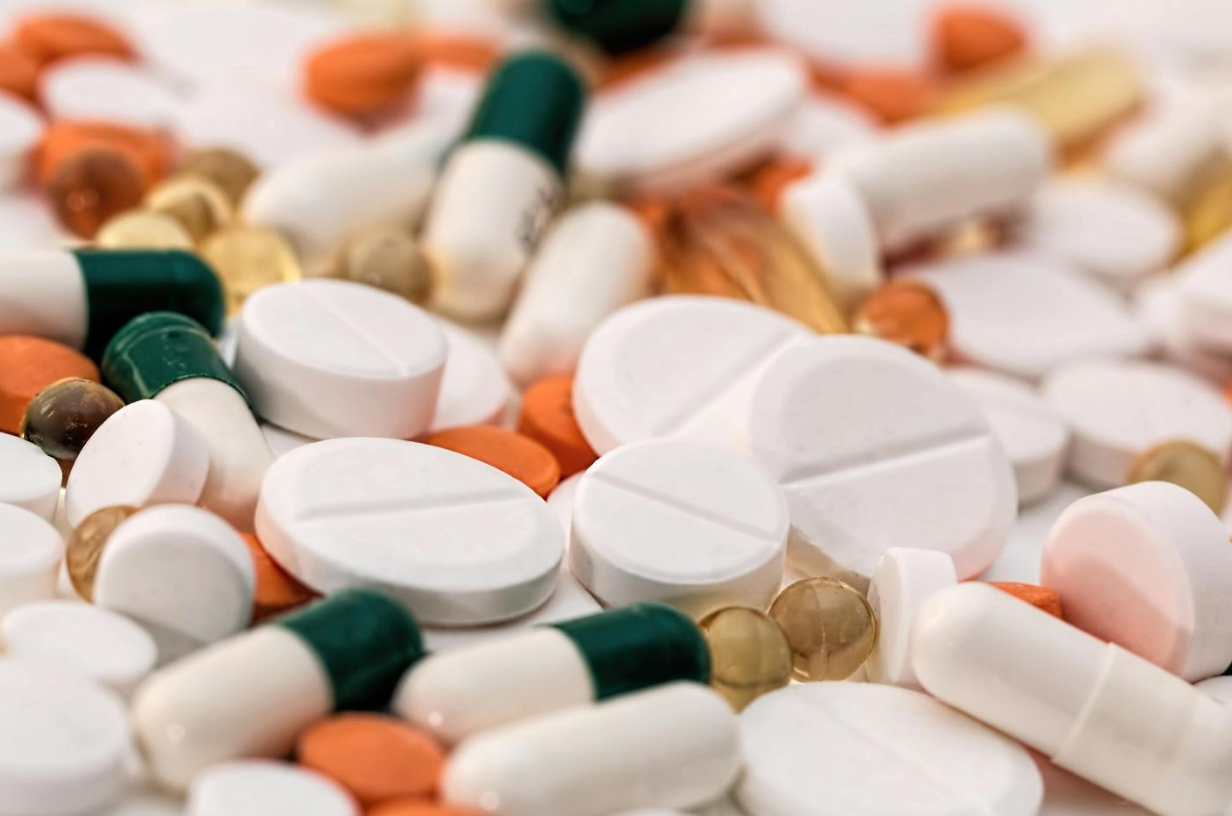
Common Medications Every Healthcare Worker — and Every Patient — Should Know
General Medicine Reference | 25 Conditions | 100+ Drugs
Why This Matters
Whether you are a medical student cramming for finals, a nurse on a busy ward, or a patient trying to understand a prescription, knowing core drugs for common conditions is invaluable.
A note of caution: knowing a drug's name is not the same as knowing when, how, and in what dose to use it. Always follow your doctor's or pharmacist's instructions.
|
How to Use This Guide Each section covers a condition, lists the main drugs used, and explains in plain language what class they belong to and why they are used. Clinical notes are included for healthcare workers. |
Pain & Inflammation
Arthritis / Pain
Pain is one of the most common reasons people seek medical care. Most pain and inflammation medicines work by blocking chemicals called prostaglandins, which signal pain and cause swelling.
- Diclofenac, Ibuprofen, Naproxen, Aceclofenac — Non-Steroidal Anti-Inflammatory Drugs (NSAIDs). Reduce pain, fever, and swelling. Always take with food to protect the stomach.
- Tramadol — a mild opioid analgesic for moderate-to-severe pain. Use with caution: risk of dependence and dizziness.
Migraine
Migraines are severe, often one-sided headaches with nausea and light sensitivity. Treatment either stops an attack or prevents future ones.
The International Headache Society recommends triptans for acute moderate-to-severe migraine, with treatment taken early at onset for best efficacy.
- Sumatriptan, Rizatriptan — triptans; constrict blood vessels in the brain and block pain signals. Take at the first sign of migraine.
- Ergotamine — an older vasoconstrictor; effective but with more side effects than triptans.
- Propranolol, Topiramate — for migraine prevention (prophylaxis), not acute attacks.
|
Condition |
Drug Class |
Key Examples |
Main Action |
|
Arthritis/Pain |
NSAIDs |
Ibuprofen, Diclofenac |
Block prostaglandin synthesis |
|
Arthritis/Pain |
Opioid |
Tramadol |
Central pain receptor agonist |
|
Migraine (acute) |
Triptans |
Sumatriptan, Rizatriptan |
Serotonin agonist, vasoconstriction |
|
Migraine (prevention) |
Beta-blocker / AED |
Propranolol, Topiramate |
Neuronal stabilisation |
Infections
Typhoid
Typhoid is a bacterial infection caused by Salmonella typhi, spread through contaminated food and water. WHO recommends fluoroquinolones or third-generation cephalosporins for typhoid fever, with azithromycin as an alternative (WHO, 2023). It remains common in parts of Africa, Asia, and South America.
- Cefixime — third-generation cephalosporin; now first-line in many settings due to resistance to older drugs.
- Azithromycin — a macrolide antibiotic useful in resistant cases; well tolerated orally.
- Ceftriaxone — IV cephalosporin for severe typhoid requiring hospitalisation.
- Ofloxacin, Ciprofloxacin — fluoroquinolones; historically first-line but now limited by resistance.
Pneumonia
Pneumonia is an infection of the lung tissue. Treatment depends on severity and whether care is in the community or hospital.
- Amoxicillin — first-line oral antibiotic for mild community-acquired pneumonia (CAP).
- Azithromycin — covers atypical organisms (Mycoplasma, Chlamydophila) missed by penicillins.
- Ceftriaxone — IV cephalosporin for moderate-to-severe pneumonia.
- Levofloxacin — respiratory fluoroquinolone; covers both typical and atypical organisms in one drug.
- Doxycycline — tetracycline; useful for atypical pneumonia in outpatient settings.
Tuberculosis (TB)
TB requires multi-drug therapy to prevent resistance. The classic regimen is 2HRZE/4HR (6 months). The new 2025 WHO regimen is 2HPZM/2HPM (4 months) (WHO, 2025).
- Isoniazid (H) — kills actively dividing TB bacteria.
- Rifampicin (R) — sterilising agent; turns urine/sweat orange — reassure patients this is normal.
- Pyrazinamide (Z) — kills bacilli in acidic environments inside macrophages.
- Ethambutol (E) — bacteriostatic; monitor vision (optic neuritis risk).
Urinary Tract Infection (UTI)
UTIs are among the most common bacterial infections, particularly in women. Most are caused by E. coli. IDSA 2011 guidelines recommend nitrofurantoin and TMP-SMX as first-line for uncomplicated cystitis, reserving fluoroquinolones for complicated cases (James et al, 2021).
- Nitrofurantoin — first-line for uncomplicated lower UTI; acts only in the urinary tract.
- Norfloxacin, Ofloxacin — fluoroquinolones for complicated UTIs.
- Piperacillin/Tazobactam — IV combination for hospital-acquired or complicated UTI.
Malaria
Malaria is caused by Plasmodium parasites from Anopheles mosquito bites. Treatment depends on species and severity.
- Chloroquine — first-line for P. vivax; widespread resistance in P. falciparum limits use.
- Artemether + Lumefantrine — WHO-recommended artemisinin-based combination therapy (ACT) for P. falciparum. Must complete the full course.
|
Infection |
First-Line Drug(s) |
Route |
Notes |
|
Typhoid (mild) |
Cefixime or Azithromycin |
Oral |
Watch for fluoroquinolone resistance |
|
Typhoid (severe) |
Ceftriaxone |
IV |
Hospitalise |
|
CAP (mild) |
Amoxicillin ± Azithromycin |
Oral |
Cover atypicals |
|
CAP (moderate/severe) |
Ceftriaxone + Azithromycin |
IV |
Consider ICU criteria |
|
TB (standard) |
2HRZE / 4HR |
Oral |
6 months; DOT recommended |
|
TB (new 2025) |
2HPZM / 2HPM |
Oral |
4 months; eligible patients |
|
Uncomplicated UTI |
Nitrofurantoin |
Oral |
3-7 days; avoid in renal failure |
|
Malaria (P. falciparum) |
Artemether/Lumefantrine |
Oral |
Complete the full 3-day course |
Gastrointestinal Conditions
Diarrhoea
Most diarrhoea is self-limiting. Treatment focuses on rehydration, with antibiotics reserved for bacterial or protozoal causes.
- ORS (Oral Rehydration Salts) — WHO guidelines prioritise ORS as a cornerstone of diarrhoea management (WHO 2006). Replaces water and electrolytes. Life-saving in children; drastically underused.
- Zinc — reduces duration and severity in children under 5.
- Metronidazole, Tinidazole — for protozoal causes (Giardia, amoeba).
- Loperamide — reduces gut motility; avoid bloody or infectious diarrhoea.
Gastritis / GERD
Gastritis and GERD cause burning upper abdominal pain and heartburn due to excess stomach acid.
- Pantoprazole, Omeprazole, Esomeprazole — Proton Pump Inhibitors (PPIs); most effective for acid suppression. Take 30 minutes before meals.
- Ranitidine, Famotidine — H2 receptor blockers; less potent than PPIs, useful for mild symptoms.
Vomiting
- Ondansetron — 5-HT3 antagonist; highly effective antiemetic for nausea from surgery, chemotherapy, or gastroenteritis.
- Metoclopramide, Domperidone — dopamine antagonists and prokinetics; promote gut motility.
- Promethazine — an antihistamine with antiemetic properties; good for motion sickness and pregnancy nausea.
Constipation
NICE guidelines recommend lifestyle modification first, followed by osmotic laxatives as first-line pharmacotherapy (NICE 2024).
- Lactulose — osmotic laxative; safe in pregnancy and liver disease.
- Bisacodyl, Senna — stimulant laxatives; not for long-term use.
- Polyethylene Glycol (PEG) — osmotic laxative; effective for chronic constipation.
Cardiovascular & Metabolic
Heart Failure
Heart failure occurs when the heart cannot pump adequately. Treatment removes fluid, protects the heart, and improves pumping function. The 2021 ESC Heart Failure Guidelines define four pillars of HFrEF therapy: ACE inhibitors/ARNi, beta-blockers, MRAs, and SGLT2 inhibitors (ESC, 2021).
- Furosemide — loop diuretic; rapidly removes excess fluid, reducing breathlessness and leg swelling.
- Spironolactone — potassium-sparing diuretic; reduces heart remodelling in HF.
- Enalapril, Ramipril — ACE inhibitors; reduce cardiac workload and improve survival.
- Metoprolol — beta-blocker; slows heart rate and reduces cardiac workload.
- Digoxin — strengthens contractions and slows heart rate; used in AF with HF.
Hypertension
Hypertension is asymptomatic but is a leading cause of stroke, heart attack, and kidney failure. WHO/ISH 2020 guidelines recommend thiazides, ACE inhibitors, ARBs, and CCBs as first-line antihypertensive agents. See our antihypertensive drugs article for the full guide (WHO, 2020).
- Amlodipine — calcium channel blocker; first-line, especially in elderly and Black patients.
- Enalapril — ACE inhibitor; first-line with diabetes or CKD.
- Hydrochlorothiazide — thiazide diuretic; first-line in salt-sensitive hypertension.
Diabetes Mellitus
Type 2 diabetes is caused by insulin resistance. Management involves lifestyle changes and glucose-lowering medications. ADA Standards of Care in Diabetes 2024 recommend metformin as foundational therapy. SGLT2 inhibitors and GLP-1 agonists are preferred add-ons in patients with cardiovascular or renal disease (ADA, 2024).
- Metformin — first-line for type 2 DM; reduces liver glucose production; cheap and effective.
- Glimepiride, Gliclazide — sulphonylureas; stimulate pancreatic insulin release; risk of hypoglycaemia.
- Sitagliptin, Vildagliptin — DPP-4 inhibitors; enhance incretin hormones to lower blood sugar.
- Insulin — essential in type 1 DM; used in type 2 when oral drugs are insufficient.
Dyslipidaemia
Elevated cholesterol and triglycerides increase cardiovascular risk. ACC/AHA 2018 guidelines recommend statins as first-line for LDL reduction (Grundy, 2019). Ezetimibe is added for further LDL lowering.
- Atorvastatin, Rosuvastatin — high-intensity statins; first-line for reducing LDL and cardiovascular risk.
- Ezetimibe — reduces cholesterol absorption in the gut; used as add-on therapy.
- Fenofibrate — primarily lowers triglycerides.
AHA
|
Condition |
Key Drug(s) |
Class |
Watch For |
|
Heart Failure |
Furosemide, Enalapril, Spironolactone |
Diuretic, ACEi, K-sparing |
Electrolytes, renal function |
|
Hypertension |
Amlodipine, Enalapril, HCTZ |
CCB, ACEi, Thiazide |
BP targets: cough with ACEi |
|
Diabetes Type 2 |
Metformin, Glimepiride, Insulin |
Biguanide, Sulphonylurea, Hormone |
Hypoglycaemia, renal function |
|
Dyslipidaemia |
Atorvastatin, Ezetimibe |
Statin, Absorption inhibitor |
Myopathy, liver enzymes |
Respiratory, Neurology & Allergy
Chronic Obstructive Pulmonary Disease (COPD)
Bronchodilator monotherapy (LABA or LAMA) is recommended as initial pharmacological treatment for COPD (Global Initiative for Chronic Obstructive Lung Disease, 2024). ICS is added only in patients with eosinophilia or frequent exacerbations.
- Salbutamol — SABA; the rescue inhaler for acute breathlessness.
- Tiotropium — LAMA; daily maintenance to reduce breathlessness.
- Budesonide — inhaled corticosteroid; reduces airway inflammation in combination inhalers.
Asthma
GINA 2024 guidelines emphasise ICS-containing therapy as the cornerstone of asthma management at all steps.
- Salbutamol — reliever; take when symptoms occur.
- Salmeterol — LABA; controller medication — never use alone without an inhaled steroid.
- Budesonide — inhaled steroid; prevents attacks.
- Montelukast — leukotriene antagonist; oral tablet useful in allergic asthma.
(Global Initiative for Asthma, 2024)
Epilepsy
NICE NG217 (2022) recommends sodium valproate or lamotrigine for generalised epilepsy, and carbamazepine or lamotrigine for focal seizures.
- Sodium Valproate — broad-spectrum; very effective but teratogenic — avoid in women of childbearing age.
- Carbamazepine — first-line for focal seizures.
- Lamotrigine — preferred in women of childbearing age; slow titration required.
- Levetiracetam — modern broad-spectrum AED; few interactions; increasingly first-line.
Depression
NICE NG222 (2022) and WHO guidelines recommend SSRIs as first-line pharmacotherapy for depression. CBT should be offered alongside medication for moderate-to-severe depression.
- Sertraline, Escitalopram, Fluoxetine, Paroxetine — SSRIs; first-line for depression and anxiety. Allow 2-4 weeks for full effect.
- Venlafaxine — SNRI; used when SSRIs are insufficient.
Anxiety
- Diazepam, Alprazolam, Clonazepam, Lorazepam — benzodiazepines; rapid relief; for short-term use only due to dependence risk.
- Propranolol — a beta-blocker useful for physical symptoms of anxiety (tremor, palpitations).
Allergy / Cold & Fever
- Cetirizine, Loratadine, Fexofenadine, Levocetirizine — second-generation antihistamines; non-sedating.
- Diphenhydramine, Chlorpheniramine — first-generation; sedating; useful at bedtime.
Anaemia
- Ferrous Sulfate, Ferrous Fumarate — oral iron; first-line for iron deficiency. Can cause dark stools and constipation.
- Folic Acid — essential in pregnancy to prevent neural tube defects; treats megaloblastic anaemia.
- Vitamin B12 — treats pernicious anaemia; may need IM injection if absorption is impaired.
- Iron Sucrose — IV iron for patients who cannot absorb oral iron.
|
Important Reminder Never self-medicate with antibiotics. Using antibiotics without a prescription drives drug resistance — one of the most serious global health threats of our time. Always inform your doctor and pharmacist about every medication you are taking, including herbal supplements, to avoid dangerous interactions. |
Frequently Asked Questions (FAQs)
Q1: What is the difference between a generic and a brand-name drug?
A generic drug contains the same active ingredient at the same dose as the original brand-name drug. It is bioequivalent — it works identically in the body. Generics are typically much cheaper because manufacturers do not repeat original clinical trials. Regulatory agencies ensure generics meet strict quality, safety, and efficacy standards.
Q2: Why do some drugs need to be taken with food and others on an empty stomach?
Some drugs (like metronidazole, metformin, and ibuprofen) can irritate the stomach lining, so taking them with food reduces nausea and discomfort. Others (like rifampicin and some antibiotics) are absorbed better on an empty stomach because food slows gastric emptying and reduces drug absorption. Always follow the specific instructions on the prescription label.
Q3: Can I stop taking antibiotics once I feel better?
No — and this is one of the most important points in medicine. Stopping antibiotics early means bacteria that are not yet fully eliminated may survive, develop resistance, and cause relapse. This is especially critical for TB (6-month course) and typhoid. Always complete the full prescribed course unless your doctor instructs otherwise.
Q4: What does 'first-line' treatment mean?
A first-line treatment is the medication recommended as the best initial option based on clinical evidence of efficacy, safety, tolerability, and cost. If it is ineffective, not tolerated, or contraindicated, a second-line agent is used. The WHO Essential Medicines List and national treatment guidelines define first-line choices for each condition.
Q5: Are herbal remedies safe to take alongside prescription medicines?
Not always. Some herbal products have significant drug interactions. For example, St John's Wort reduces the effectiveness of antiretrovirals, warfarin, and oral contraceptives by inducing liver enzymes. Grapefruit juice inhibits enzymes that metabolise many common drugs, raising their blood levels. Always inform your doctor or pharmacist about all herbal or traditional medicines you are taking.
References
[1] World Health Organization. WHO Model List of Essential Medicines, 23rd list. Geneva: WHO; 2023. https://www.who.int/publications/i/item/WHO-MHP-HPS-EML-2023.02
[2] World Health Organization. WHO Model Formulary 2023. Geneva: WHO; 2023.
[3] Derry S, et al. Oral NSAIDs for acute low back pain. Cochrane Database Syst Rev. 2013;(2): CD004234.
[4] Headache Classification Committee of the IHS. ICHD-3. Cephalalgia. 2018;38(1):1-211.
[5] World Health Organization. WHO Guidelines for the Treatment of Enteric Fever. Geneva: WHO; 2018.
[6] McDonagh TA, et al. 2021 ESC Guidelines for heart failure. Eur Heart J. 2021;42(36):3599-3726.
[7] Unger T, et al. 2020 ISH Global Hypertension Practice Guidelines. Hypertension. 2020;75(6):1334-1357.
[8] World Health Organization. The Treatment of Diarrhoea. 4th ed. Geneva: WHO; 2005.
[9] Grundy SM, et al. 2018 AHA/ACC Guideline on Blood Cholesterol. J Am Coll Cardiol. 2019;73(24):e285-e350.
[10] American Diabetes Association. Standards of Care in Diabetes 2024. Diabetes Care. 2024;47(Suppl 1).
[11] National Institute for Health and Care Excellence. Constipation. NICE CKS. 2023. https://cks.nice.org.uk
[12] Global Initiative for Chronic Obstructive Lung Disease. GOLD 2024 Report. https://goldcopd.org
[13] Global Initiative for Asthma. GINA 2024. https://ginasthma.org
[14] National Institute for Health and Care Excellence. Epilepsies. NICE NG217. 2022.
[15] World Health Organization. WHO Consolidated Guidelines on TB Treatment, Module 4. Geneva: WHO; 2022.