Typhoid Fever: Causes, Symptoms, Diagnosis, Treatment, and Prevention
by Maroa Noa · 17 Dec 2025
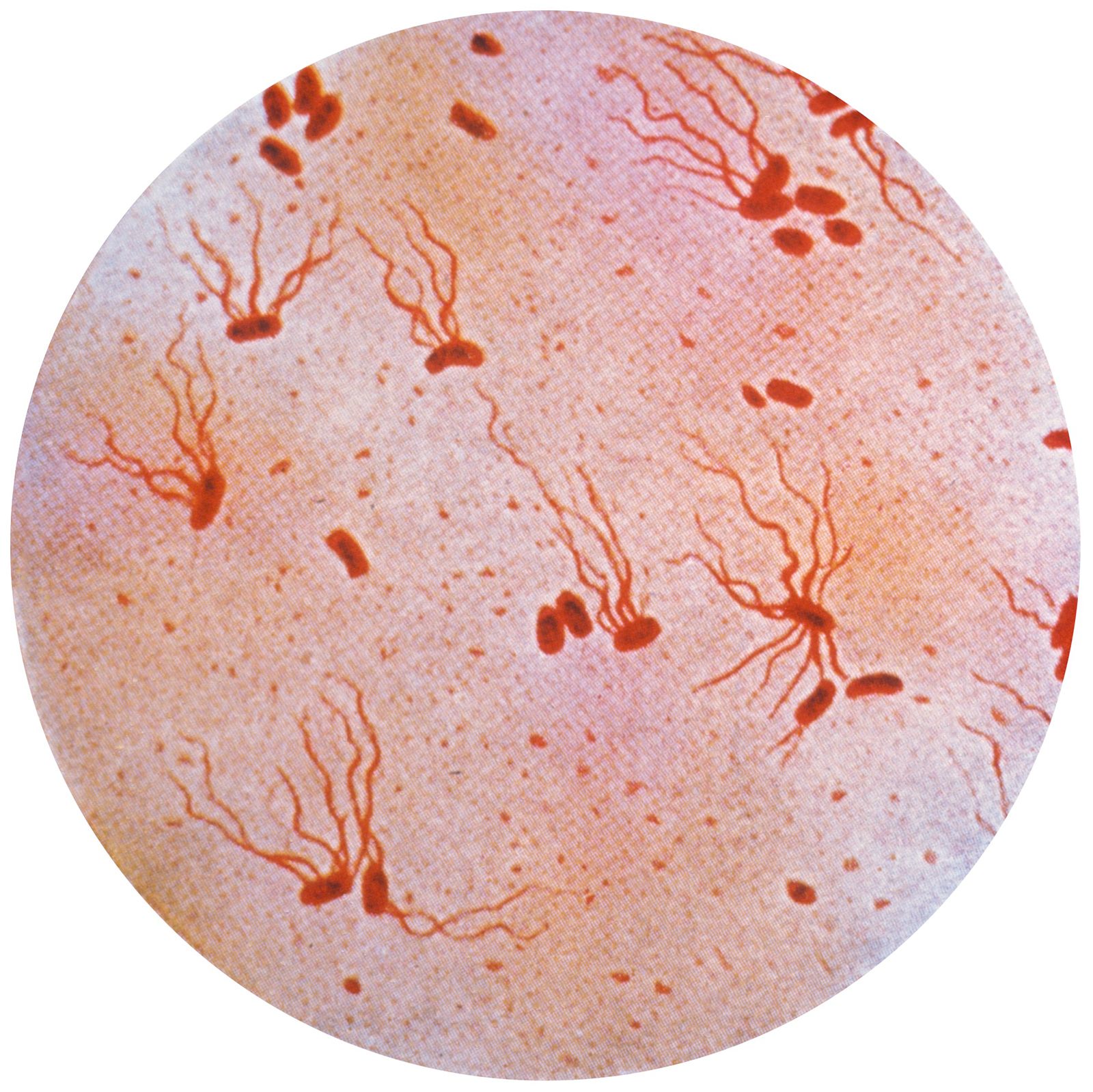
Typhoid fever remains a major public health concern, especially in regions with limited access to clean water and proper sanitation. The infection spreads easily and can cause life-threatening complications when left untreated.
Understanding its causes, symptoms, and prevention strategies helps individuals protect themselves and their families more effectively. Moreover, increased awareness contributes to improved community health standards and reduces disease transmission.
What Is Typhoid Fever?
Typhoid fever is a bacterial infection caused by Salmonella enterica serotype Typhi. The disease primarily affects the intestinal tract and bloodstream, leading to a range of symptoms that may escalate rapidly without timely medical care.
Although it spreads through contaminated food and water, improved hygiene practices significantly lower the risk.
How Typhoid Fever Spreads
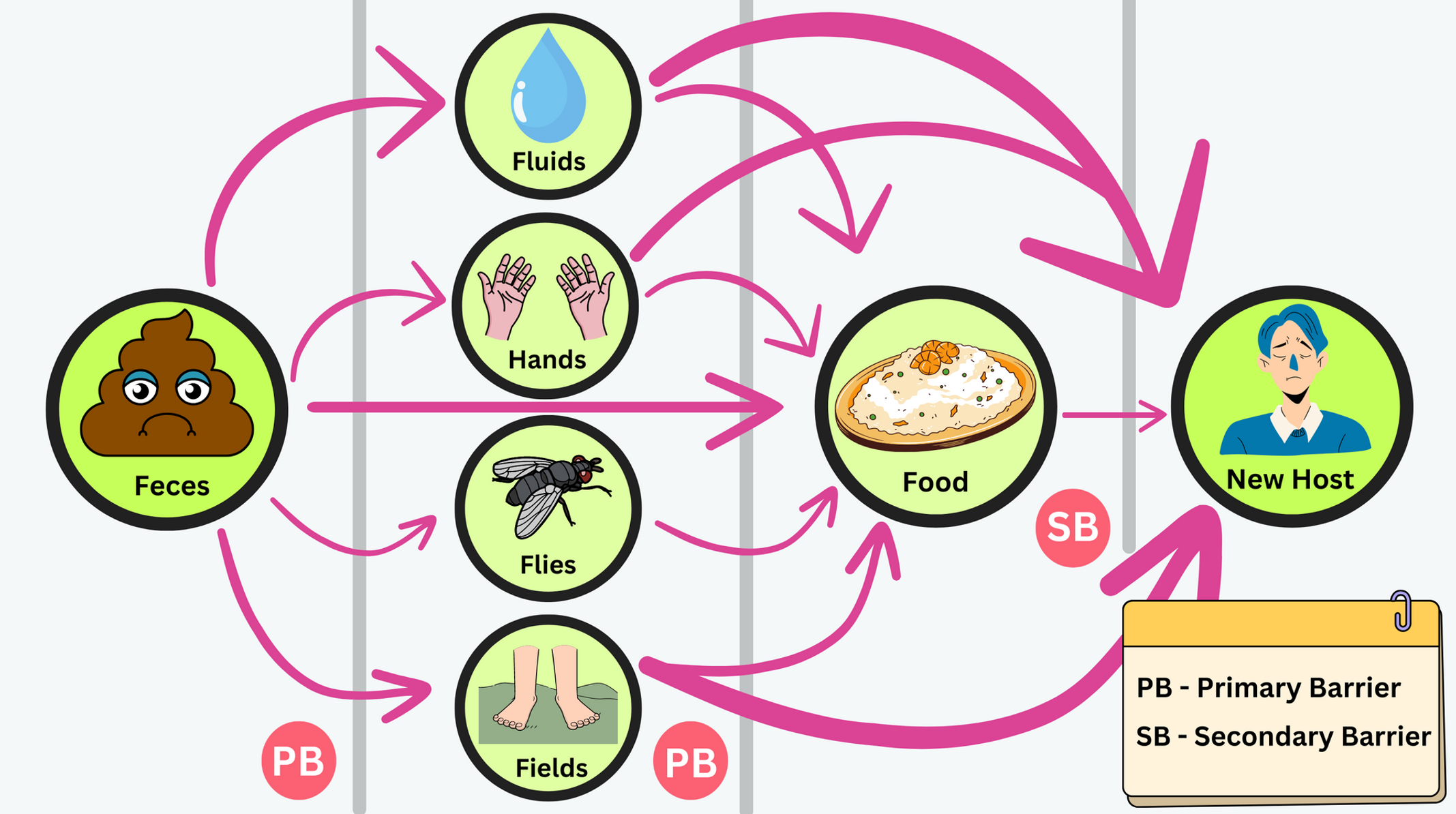
Typhoid spreads through the fecal-oral route, meaning the bacteria enter the body when a person consumes contaminated water or improperly prepared food. In many cases, infection occurs in areas where sanitation systems are poor, and waste disposal is inefficient. Additionally, individuals who carry the bacteria without symptoms can unknowingly transmit it to others.
Major Causes and Risk Factors
Several factors increase the risk of acquiring typhoid fever. First, living in crowded environments with unsafe water sources raises the likelihood of exposure.
Second, poor handwashing practices contribute significantly to bacterial transmission. Third, traveling to high-risk regions without proper vaccination increases vulnerability.
These risks highlight the importance of strong public health systems and individual hygiene responsibility.
Common Symptoms of Typhoid Fever
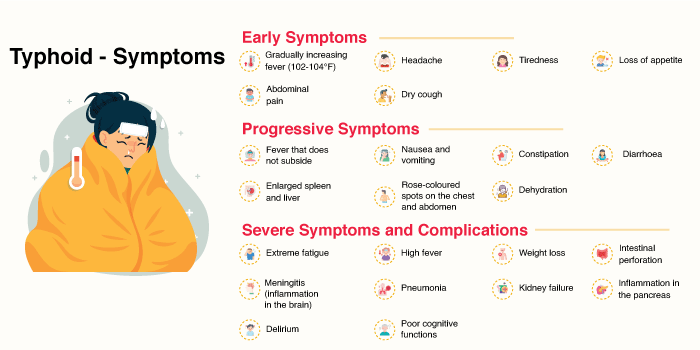
Typhoid fever presents a wide range of symptoms that develop gradually over days.
- Persistent fever: Temperatures may rise progressively, often reaching 39°C to 40°C.
- Headache and fatigue: Many patients experience overwhelming tiredness and difficulty concentrating.
- Abdominal pain: The infection affects the intestines, leading to discomfort and sometimes swelling.
- Loss of appetite: Reduced appetite often accompanies persistent nausea or stomach upset.
- Rashes: Some individuals develop rose-colored spots on the skin.
Because symptoms resemble those of malaria or other febrile illnesses, early medical evaluation becomes essential.
How Typhoid Fever Is Diagnosed
Healthcare providers use several diagnostic methods to confirm typhoid fever. Blood tests remain the most common and detect the bacteria during early infection. Stool and urine tests may also help identify the bacteria as the illness progresses.
In severe cases, bone marrow testing offers the most accurate diagnosis. Quick and reliable diagnosis ensures timely treatment and reduces the risk of complications.
Available Treatment Options
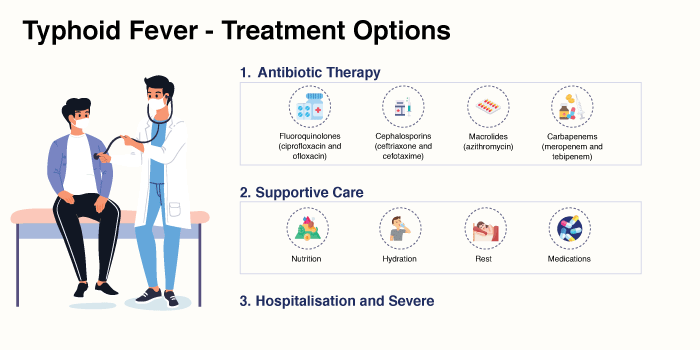
Doctors treat typhoid fever using antibiotics that eliminate Salmonella Typhi bacteria from the body. However, antibiotic resistance has become a serious challenge in many regions. Therefore, medical professionals carefully select drugs based on local resistance patterns.
Alongside medication, patients must stay hydrated and maintain proper nutrition to support recovery. In advanced cases, hospitalization becomes necessary for close monitoring and supportive care.
Complications Associated With Typhoid Fever
Untreated typhoid fever can lead to severe complications that threaten a patient’s life. Intestinal perforation is among the most dangerous outcomes, causing internal bleeding and widespread infection. Additionally, typhoid may trigger inflammation in vital organs such as the liver, kidneys, or heart. When these complications develop, emergency medical attention becomes crucial.
Prevention Strategies
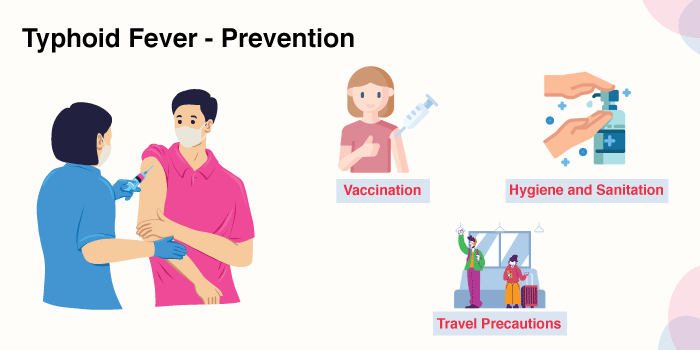
Effective prevention requires consistent hygiene practices and community-wide sanitation improvements. Always wash hands with soap before eating or preparing meals.
Drink boiled or treated water, especially in areas with insufficient water treatment systems. Vaccination also offers significant protection for individuals living in or traveling to high-risk regions.
Importance of Safe Food and Water Handling
Safe food preparation plays a major role in preventing typhoid outbreaks. Rinse fruits and vegetables thoroughly before eating. Keep raw and cooked foods separate to avoid cross-contamination.
Additionally, ensure that meals are cooked at appropriate temperatures to kill harmful bacteria. When food vendors follow these guidelines, community risk levels drop significantly.
Typhoid Fever in Children
Children remain highly vulnerable to typhoid fever due to developing immune systems and frequent exposure to contaminated environments. They often present symptoms such as irritability, persistent fever, and poor feeding habits.
Early diagnosis prevents the disease from worsening and helps protect their long-term health. Parents must ensure children drink safe water and practice consistent hand hygiene.
Recovery and Post-Treatment Care
After completing treatment, patients may take several weeks to regain full strength. Doctors advise adequate rest and a nutritious diet to help the body heal completely.
Follow-up tests may be necessary to confirm full recovery and rule out carrier status. Patients must also avoid preparing food for others until cleared by a healthcare provider.
When to Seek Immediate Medical Attention
Anyone who experiences persistent fever, severe abdominal pain, or bloody stools should seek urgent medical care.
These signs may indicate complications that require quick medical intervention. Early response saves lives and prevents long-term consequences.
Typhoid fever remains a preventable disease despite its widespread prevalence. Taking simple precautions—such as washing hands regularly, drinking safe water, and handling food responsibly—greatly reduces the risk.
Communities benefit when individuals stay informed, seek early treatment, and adopt proper hygiene habits. By promoting awareness, we protect ourselves and contribute to healthier societies.
FAQs
1. Can typhoid fever cure itself without treatment?
No. Typhoid fever does not resolve on its own and can cause life-threatening complications without proper treatment.
2. How long does typhoid treatment take?
Most patients recover within 7–14 days of antibiotics, depending on severity and bacterial resistance.
3. Is typhoid contagious through touch?
Not directly. However, it can spread through contaminated hands if an infected person handles food or water.
4. Can vaccinated individuals still get typhoid?
Yes, but the risk is significantly lower. Vaccination reduces severity and likelihood of infection.
5. Is it safe to travel to areas with frequent typhoid cases?
Yes, as long as you follow preventive measures such as vaccination, safe drinking water, and good hygiene practices.