Understanding Cancer Treatment Options
by Maroa Noa · 27 Jan 2026
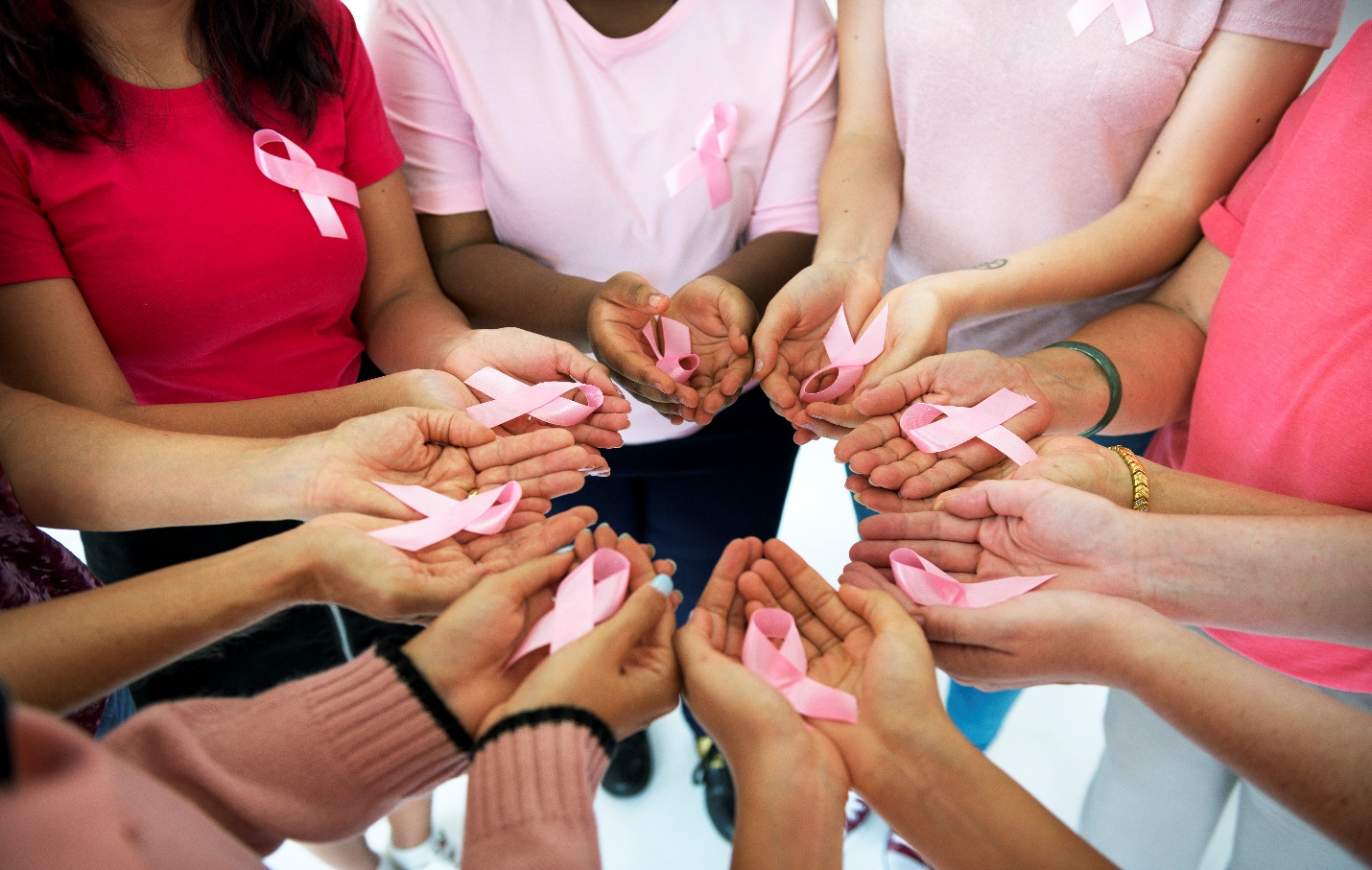
Receiving a cancer diagnosis can be overwhelming and frightening. Suddenly, you're faced with medical terminology you've never heard before, treatment options you don't understand, and decisions that feel impossible to make.
Whether you've just been diagnosed, are supporting a loved one through cancer treatment, or simply want to understand more about cancer care, knowledge is power.
Cancer treatment has evolved dramatically over the past decade. Today, many cancers that were once considered fatal are now manageable chronic conditions or even curable.
Treatment success depends on many factors including cancer type, stage at diagnosis, overall health, and how well the cancer responds to treatment.
In Kenya, cancer treatment is available at major hospitals including Kenyatta National Hospital, Moi Teaching and Referral Hospital, and private facilities like Aga Khan Hospital and Nairobi Hospital.
However, navigating the treatment journey requires understanding your options, knowing what to expect, and having access to the medications and support services you need.
Types of Cancer Treatment

Cancer treatment has become increasingly personalized, with doctors creating treatment plans tailored to each patient's specific cancer type, stage, and individual circumstances.
Most patients receive a combination of treatments rather than just one approach.
Surgery
Surgery is one of the oldest and most common cancer treatments. The goal is to physically remove the tumor and, in some cases, surrounding tissue or lymph nodes where cancer may have spread.
What to Expect:
Recovery time varies from days to weeks depending on the extent of surgery. Modern minimally invasive techniques often mean smaller incisions, less pain, and faster recovery compared to traditional open surgery.
Chemotherapy
Chemotherapy uses powerful drugs to kill rapidly dividing cancer cells throughout the body.
Unlike surgery or radiation that target specific areas, chemotherapy travels through the bloodstream to reach cancer cells anywhere in the body.
Common Side Effects:
Side effects depend on the specific drugs used but may include fatigue, nausea, hair loss, increased infection risk, anemia, and mouth sores.
Many side effects can be managed with medications and supportive care.
Radiation Therapy
Radiation therapy uses high-energy particles or waves to destroy or damage cancer cells. It's a localized treatment, meaning it affects cancer cells only in the treated area.
When Radiation Is Used:
Radiation can be the primary treatment for certain cancers, or it may be combined with surgery or chemotherapy.
It's often used after surgery to kill any remaining cancer cells, before surgery to shrink tumors, or for symptom relief in advanced cancer.
What to Expect:
Each radiation session lasts only a few minutes, though preparation and positioning take longer.
The treatment itself is painless. Side effects typically develop gradually and may continue for weeks after treatment ends, but most resolve over time.
Immunotherapy
Immunotherapy is a newer approach that helps your immune system recognize and attack cancer cells.
Your immune system normally fights infections and diseases, but cancer cells can sometimes hide from immune detection. Immunotherapy helps overcome this.
Targeted Therapy
Targeted therapy uses drugs designed to attack specific characteristics of cancer cells, such as particular proteins or genetic mutations that help cancer grow and spread.
How Targeted Therapy Differs from Chemotherapy:
While chemotherapy affects all rapidly dividing cells, targeted therapy focuses on specific molecular targets associated with cancer.
This often means fewer side effects on healthy cells, though targeted therapies still cause side effects.
Personalized Medicine:
Genetic testing of your tumor helps doctors identify which targeted therapies might work for your specific cancer. This represents a major shift toward personalized cancer care.
Hormone Therapy
Some cancers, particularly breast and prostate cancers, need hormones to grow.
Hormone therapy blocks the body's ability to produce hormones or interferes with how hormones behave, slowing or stopping cancer growth.
Stem Cell Transplant
Stem cell transplant, also called bone marrow transplant, replaces diseased or damaged bone marrow with healthy stem cells. It's primarily used to treat blood cancers like leukemia, lymphoma, and multiple myeloma.
How It Works:
High doses of chemotherapy or radiation destroy cancer cells along with normal bone marrow.
Healthy stem cells (either your own collected earlier or from a donor) are then infused into your bloodstream, where they travel to bone marrow and begin producing new blood cells.
This is an intensive treatment requiring hospitalization and careful monitoring for weeks or months. Recovery is gradual but can offer long-term remission or cure for certain blood cancers.
Creating Your Treatment Plan
Your oncology team will consider multiple factors when recommending treatment:
Cancer Type and Stage: Different cancers respond to different treatments. Stage indicates how far cancer has spread.
Cancer Characteristics: Genetic testing reveals specific mutations that may respond to targeted therapies.
Overall Health: Your ability to tolerate treatment depends on your general health and other medical conditions.
Treatment Goals: Are you seeking cure, controlling cancer growth, or managing symptoms? Goals affect which treatments are appropriate.
Personal Preferences: Your values, lifestyle, and priorities should inform treatment decisions. Don't hesitate to discuss concerns about side effects, quality of life, or treatment impact on daily activities.
How Pharmily Supports Cancer Patients
Managing cancer treatment involves more than just primary therapies.
Supporting medications, nutritional supplements, and symptom management products play crucial roles in treatment success and quality of life. Pharmily provides comprehensive support for cancer patients throughout Kenya.
Prescription Medication Delivery
Cancer treatment requires multiple medications taken on strict schedules. Missing doses or delays can affect treatment effectiveness.
Benefits of Pharmily's Prescription Service:
Convenient Home Delivery: Your Prescription medications delivered directly to your home in Nairobi, Mombasa, Kisumu, Nakuru, Eldoret, and other major towns across Kenya.
Automatic Refills: Set up monthly refills for ongoing medications, ensuring you never run out of critical treatments.
Licensed Pharmacists: Access to professional advice on medication timing, interactions, and side effect management.
Fast Processing: Orders processed within 4 hours in major cities, with delivery completed within 24 hours.
Supportive Care Products
Anti-Nausea Support: While prescription anti-nausea medications require doctor's orders, ginger supplements and other natural remedies available at Pharmily can provide additional relief.
Nutritional Supplements: High-protein supplements, multivitamins, and appetite stimulants help maintain nutrition when eating is difficult.
Skin Care Products: Gentle moisturizers, sunscreen, and specialized products for sensitive skin help manage treatment-related skin changes.
Oral Care: Soft toothbrushes, gentle mouthwashes, and products for mouth sore relief maintain oral health during treatment.
Pain Management: Over-the-counter pain relievers and comfort items complement prescription pain medications.
Convenience When It Matters Most
Cancer treatment is exhausting. Traveling to pharmacies for medications and supplies adds burden during an already difficult time. Pharmily eliminates this stress:
- Order online or by phone 24/7
- Multiple payment options including MPESA, card, and cash on delivery
- Free delivery for orders over Ksh 2,999 in Nairobi
- Discreet packaging respects your privacy
- Customer support available to answer questions
Contact Information:
Location: Muthaiga Business Center, Nairobi
Phone: +254726669898
Website: www.pharmily.co.ke
The Bottom Line
Cancer treatment is complex and often challenging, but medical advances mean more people are surviving and thriving after cancer than ever before.
Understanding your treatment options, actively participating in decisions, managing side effects effectively, and building a strong support system all contribute to better outcomes.
Remember that every person's cancer journey is unique. What works for someone else may not be right for you.
Trust your medical team, ask questions when you don't understand something, and advocate for your needs throughout treatment.
Pharmily is here to support you with convenient medication delivery, quality supportive care products, and professional pharmaceutical guidance when you need it most. Fighting cancer takes a village—let us be part of yours.
Your cancer diagnosis doesn't define you. You are still the same person with the same dreams and relationships that matter.
With proper treatment, excellent support, and determination, many cancer patients go on to live full, meaningful lives. Take it one day at a time, celebrate each milestone, and never lose hope.
FAQs
1. How long does cancer treatment typically last?
Treatment duration varies widely depending on cancer type, stage, and treatment approach. Some treatments last just a few weeks, while others continue for months or even years. Chemotherapy might involve 4-6 cycles over several months, radiation therapy typically runs 5-7 weeks, and hormone therapy may continue for 5-10 years.
2. Can I work during cancer treatment?
Many people continue working during treatment, while others need time off. The answer depends on your job demands, treatment intensity, and how you feel. Some patients work full-time throughout treatment; others reduce hours or take leave during intensive treatment phases.
3. Will I lose my hair with cancer treatment?
Not all cancer treatments cause hair loss. Chemotherapy is most commonly associated with hair loss, but not all chemotherapy drugs cause it. Radiation therapy causes hair loss only in the treated area. Targeted therapies and hormone therapies usually don't cause complete hair loss but may cause hair thinning. If hair loss will occur, your doctor can tell you what to expect. Remember that hair loss from treatment is almost always temporary—hair regrows after treatment ends.
4. How do I know if my treatment is working?
Your doctor monitors treatment effectiveness through physical exams, imaging tests (CT scans, MRI, PET scans), blood tests, and tumor markers. The frequency of testing depends on your cancer type and treatment. Sometimes you'll feel better as treatment works, but other times you won't notice changes—that's why medical monitoring is essential.