UTI Symptoms During Work Hours
by Maroa Noa · 31 Jan 2026

Urinary tract infections (UTIs) can strike at the most inconvenient times — including during work hours. A sudden urge to urinate, burning pain, or discomfort in the lower abdomen can disrupt your day, concentration, and productivity.
Although UTIs are common and often uncomplicated, knowing how to recognise the symptoms, manage immediate discomfort, and when to seek medical care is essential.
This guide is especially useful for professionals in Kenya who may experience UTI symptoms at work and want clear, practical advice.
Understanding Urinary Tract Infections (UTIs)
A urinary tract infection affects part of your urinary system, which includes the kidneys, bladder, ureters, and urethra.
Most UTIs involve the lower urinary tract — the bladder and urethra — and are usually caused by bacteria entering and multiplying in these areas.
Women are more likely to get UTIs than men because their urethra is shorter, making it easier for bacteria to reach the bladder. If left untreated, UTIs can spread to the kidneys and cause serious complications.
Common UTI Symptoms You Might Notice at Work

Symptoms of a UTI can vary from mild to more intense, but there are several common signs that can alert you to an infection while you’re at work:
- A strong and persistent urge to urinate, even when little urine comes out.
- A burning sensation or pain during urination (dysuria).
- Urine that appears cloudy, dark, or has a strong smell.
- Lower abdominal discomfort, pressure, or cramping around the pelvic area.
- In some cases, blood in the urine — which can appear bright red, pink, or cola-coloured.
These symptoms can range from mild irritation to severe discomfort. Recognising them early can help you take action and get relief faster.
Why UTIs Can Flare Up During the Workday
UTI symptoms during work hours are often triggered or worsened by factors common in busy office environments:
- Delaying bathroom breaks because of meetings or workload increases bacterial growth in the urinary tract.
- Inadequate fluid intake during the day can concentrate your urine, allowing bacteria to multiply more easily.
- Caffeine and sugary drinks, which many professionals sip at their desks, can irritate the bladder and worsen symptoms.
Recognising these triggers helps you modify habits that make UTIs more likely or more uncomfortable.
Immediate Relief Options You Can Use at Work
While antibiotics are necessary to treat the bacterial infection behind a UTI, there are safe ways to reduce discomfort and support your body while you wait for medical treatment.
1. Hydration and Frequent Urination
Drinking plenty of water throughout the day helps flush bacteria from your urinary tract. Staying hydrated encourages frequent urination, which can aid in removing bacteria before they multiply further. Aim for regular sips of water between meetings and tasks.
2. Pain Relief and Soothing Solutions from Pharmily Kenya
Pharmily Limited Kenya offers several products that can help ease discomfort:
- Alkasol Syrup – A urinary alkaliser that can help soothe burning sensations by making urine less acidic. Alkasol may provide temporary relief from irritation
- Paracetamol or Ibuprofen Tablets – UTIs can be treated with a short course of paracetamol antibiotics. If you are experiencing more serious symptoms, a longer course can be admitted. You can take them for the pain and you should drink plenty of fluids. Treatment for a UTI is only required if the person has UTI symptoms.
- Cranberry-based Supplements or D-Mannose – May help reduce bacterial adhesion in the urinary tract and support urinary health when combined with proper medical care.
These options can reduce discomfort and help you manage symptoms until you see a healthcare provider.
3. Warm Compress or Comfort Break
Applying a warm compress or heating pad to your lower abdomen can relieve bladder pressure and ease irritation. Even 10–15 minutes of heat can reduce discomfort and help you stay calm while you work.
When to Seek Medical Care for UTI Symptoms
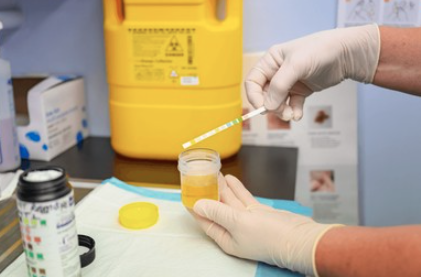
It’s important to understand that home remedies and over-the-counter products only relieve symptoms and do not cure the infection.
A proper medical evaluation is needed to confirm a UTI and prescribe the right treatment. Antibiotics are often required to clear the bacteria causing the infection.
Urgent Medical Care Is Needed If:
- Symptoms do not improve within 24–48 hours.
- You develop a fever, chills, or nausea.
- You notice blood in your urine or severe lower abdominal pain.
- Pain radiates to your back, just below the ribs (a possible sign of kidney infection).
These are signs that the infection may be spreading or more serious. In such cases, seeing a clinician promptly can prevent complications like kidney damage.
Simple Preventive Habits for Office Workers
Preventing UTIs is easier when you adopt habits that support urinary health during the workday. Some helpful practices include:
- Drinking water regularly throughout the workday.
- Avoiding holding urine for long periods.
- Reducing intake of caffeine and highly acidic drinks.
- Urinating after sexual activity to help flush out bacteria.
- Practising good hygiene, such as wiping from front to back.
These habits make your urinary system less hospitable to bacteria and can reduce the frequency of infections.
FAQs
1. Can a UTI go away without treatment?
Mild cases sometimes improve with hydration and self-care, but most UTIs require medical evaluation and antibiotics to fully clear the bacteria and prevent complications.
2. How soon after starting treatment will symptoms improve?
Many people notice relief within 24–48 hours of starting antibiotics, but it’s essential to complete the full prescribed course.
3. Is cranberry juice effective for UTIs?
While cranberry juice and supplements may help reduce bacterial adhesion, evidence is mixed and they should not replace medical treatment.
4. Are UTIs common in men and women?
UTIs are more common in women because of anatomical differences, but men can also develop UTIs, especially with other health conditions.