What Your Sputum Color Is Telling You
by Maroa Noa · 07 Apr 2026
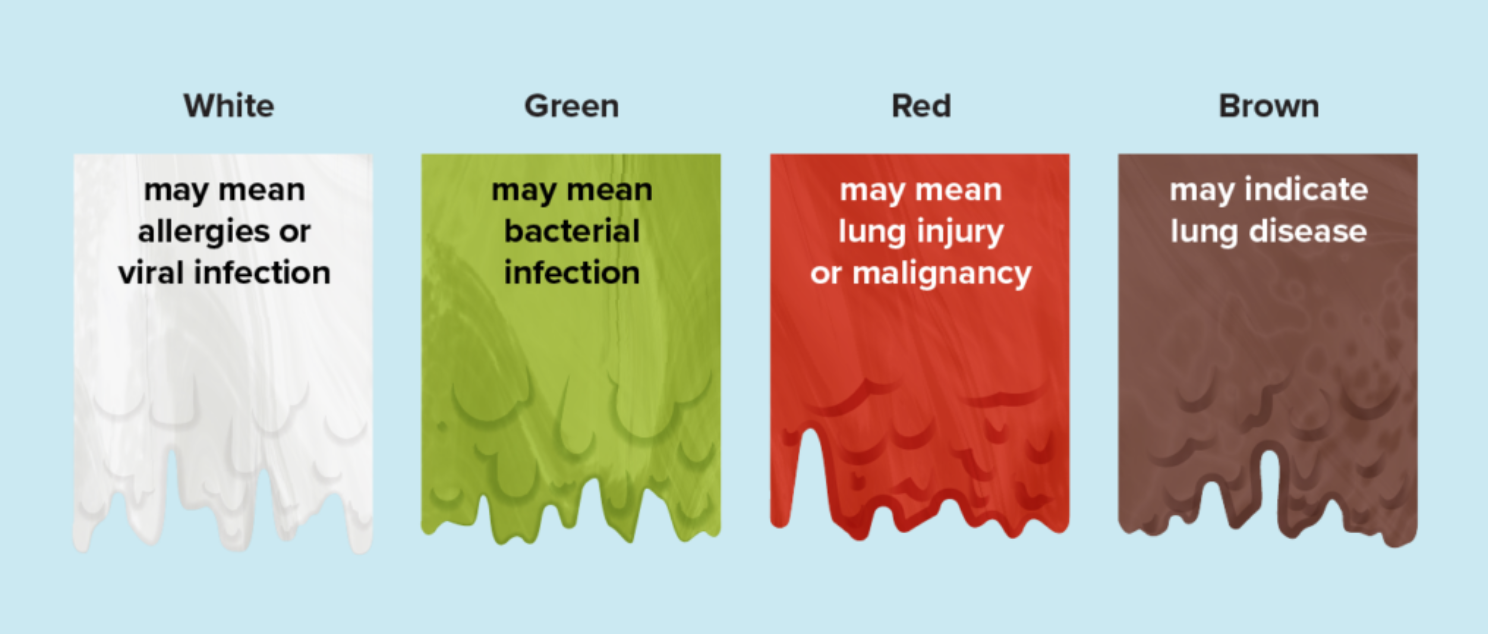
A Guide to Sputum Appearance and Its Clinical Significance
Respiratory Medicine | For Clinicians, Nurses & Patients
Introduction: The Forgotten Diagnostic Sign
Sputum, the mucus we cough up from our airways may seem unpleasant, but it is a remarkably informative clinical sign.
For centuries before laboratory tests existed, physicians used sputum appearance to diagnose lung disease.
Today, with all our technology, sputum colour remains a rapid, zero-cost, first-line clinical indicator that every healthcare worker should know and every patient should understand.
This guide walks through each sputum colour, what it may indicate, the underlying biological mechanism, and what action it should prompt.
|
Important Caveat Sputum colour alone is NEVER diagnostic. It must be interpreted alongside the patient's history, duration of symptoms, fever, examination findings, and investigation results (chest X-ray, sputum culture, blood tests). Colour is a clue not a conclusion. |
Clear / Transparent Sputum
What It Looks Like
Thin, watery, and colourless or slightly white. No visible inflammatory cells.
What It Suggests
- Viral upper respiratory tract infection (common cold, influenza), the most common cause of clear mucus.
- Asthma, the airway inflammation in asthma produces clear, sometimes stringy mucus.
- Allergic rhinitis, postnasal drip can produce clear sputum.
Clinical Significance
Clear sputum is generally non-infective and mucoid in character. The absence of white cells (pus) means bacterial infection is unlikely. In most cases, this does not require antibiotics. Management is supportive.
For patients: Clear phlegm during a cold or allergy is normal and not a reason to seek antibiotics. Rest, hydration, and symptomatic relief are the right approach.
White / Grey Sputum
What It Looks Like
Thick, opaque, and white or greyish. More viscous than clear sputum.
What It Suggests
- Chronic bronchitis, persistent mucus hypersecretion with some early inflammatory response.
- COPD (Chronic Obstructive Pulmonary Disease), a common finding between exacerbations.
- Mild asthma, especially in the morning.
Clinical Significance
White or grey sputum indicates mucoid sputum with some cellular content but not yet frankly purulent. It suggests chronic airway irritation.
In a known COPD patient, a change from white to yellow or green sputum is a red flag for bacterial exacerbation requiring antibiotics.
Yellow Sputum
What It Looks Like
Yellow or pale green-yellow. Noticeably thicker and opaque.
What It Suggests
- Acute bacterial respiratory infection, pneumonia, acute exacerbation of COPD, acute bronchitis.
- Early purulent infection, the yellow colour comes from the presence of inflammatory (white) cells, particularly neutrophils.
The Science
Neutrophils, the white blood cells that rush to sites of infection, contain enzymes including myeloperoxidase. As neutrophils die and break down fighting bacteria, these enzymes are released, turning the sputum yellow.
Clinical Significance
Yellow sputum in the context of fever, productive cough, and breathlessness strongly suggests bacterial infection. A sputum culture is valuable to identify the organism and guide antibiotic choice. This presentation typically warrants antibiotic treatment.
Green Sputum
What It Looks Like
Frank green colour, darker and thicker than yellow sputum.
What It Suggests
- Severe or established bacterial infection, a more advanced bacterial pneumonia or bronchitis.
- Bronchiectasis, a condition of permanently dilated, scarred airways that chronically harbour bacteria and produce large quantities of purulent sputum.
The Science
Green sputum contains higher concentrations of myeloperoxidase from neutrophils, the enzyme that gives the greenish pigment. It indicates a higher bacterial load and more intense inflammatory response.
Clinical Significance
Green sputum in a new presentation is a strong indicator for antibiotic therapy. In bronchiectasis, regular green sputum is expected, and the decision to treat is based on a change in volume, colour, or consistency (indicating an exacerbation). Sputum culture is essential.
Rusty / Brown-Red Sputum
What It Looks Like
Reddish-brown, like rust or dried blood mixed into the mucus.
What It Suggests
- Pneumococcal pneumonia, the classic association. This is pathognomonic (highly specific) for infection with Streptococcus pneumoniae.
The Science
Red blood cells enter the alveolar spaces due to lung inflammation. As haemoglobin breaks down over time, it converts to haemosiderin, a brown iron-storage pigment, producing the characteristic rusty colour.
Clinical Significance
Rusty sputum with fever, consolidation on chest X-ray, and pleuritic chest pain is a classic presentation of lobar pneumococcal pneumonia. Treatment is Amoxicillin (oral) or Benzylpenicillin/Ceftriaxone (IV) for more severe cases.
Pink Frothy Sputum
What It Looks Like
Pale pink, frothy (bubbly), watery sputum, often produced in large quantities. The patient may appear severely unwell and distressed.
What It Suggests
- Pulmonary oedema, fluid from the bloodstream flooding the air sacs (alveoli) of the lungs. This is a MEDICAL EMERGENCY.
The Science
In acute pulmonary oedema (most commonly from acute left heart failure or flash pulmonary oedema), high pressure in the pulmonary capillaries forces fluid into the alveolar spaces. This fluid mixes with air and proteins to create frothy, pink-tinged sputum.
Clinical Significance, EMERGENCY ACTION REQUIRED
Any patient with pink frothy sputum, severe breathlessness, and distress should be treated as a cardiac emergency. Sit the patient upright.
Give high-flow oxygen. Call for urgent medical help. Treatment includes IV diuretics (furosemide), nitrates, and sometimes NIV (non-invasive ventilation). This is potentially fatal within minutes if untreated.
Blood-Tinged Sputum (Haemoptysis)
What It Looks Like
Streaks, flecks, or frank blood mixed into sputum. Can range from minor specks to frank haemoptysis (coughing up blood).
What It Suggests
- Tuberculosis, haemoptysis is a classic symptom; can be due to cavitary disease or Rasmussen's aneurysm.
- Lung cancer, haemoptysis in a smoker over 40 requires urgent chest imaging and investigation.
- Bronchiectasis, rupture of fragile dilated blood vessels in scarred airways.
- Pulmonary embolism, infarction of lung tissue causes haemoptysis.
- Severe pneumonia, lung abscess, fungal infections.
Clinical Significance
Blood-tinged sputum (haemoptysis) always requires clinical evaluation. Even a single episode of unexplained haemoptysis in an adult warrants a chest X-ray, sputum culture/AFB staining, and in many cases a CT scan and bronchoscopy. The two most important diagnoses to exclude are TB and lung cancer. Do not dismiss it as 'nothing'.
Brown Sputum
What It Looks Like
Dark brown, like dried coffee grounds or old blood.
What It Suggests
- Old blood, blood that has broken down over time, turning haemoglobin into haemosiderin.
- Lung abscess, a pocket of pus within the lung, often with anaerobic bacteria; produces foul-smelling, dark sputum.
- Chronic infection, conditions where bleeding has occurred earlier and the blood has since degraded.
Clinical Significance
Brown sputum particularly with a foul odour suggests lung abscess, this requires urgent chest imaging, culture, and IV antibiotic therapy, sometimes with drainage. Common pathogens include Klebsiella (in alcoholics and diabetics) and anaerobic organisms.
Black Sputum
What It Looks Like
Dark grey to black. Can be mixed with other colours.
What It Suggests
- Coal workers' pneumoconiosis (black lung disease), caused by chronic inhalation of coal dust; the lungs deposit black pigment (coal dust and carbon).
- Fungal infection, especially Aspergillus niger or other melanin-producing fungi; rare but described.
- Heavy smoking, carbon deposits from cigarette smoke can darken sputum in heavy smokers.
- Occupational inhalation, miners, chimney sweeps, or workers exposed to carbon-laden environments.
Clinical Significance
Black sputum in a worker with occupational dust exposure should prompt investigation for pneumoconiosis. Enquire about occupational history in every respiratory patient. There is no curative treatment for pneumoconiosis, management is supportive and focuses on preventing further exposure.
|
Sputum Colour |
Key Diagnoses |
Mechanism |
Typical Action |
|
Clear / Transparent |
Viral infection, Asthma, Allergy |
Mucoid, no pus cells |
Supportive care; no antibiotics |
|
White / Grey |
Chronic bronchitis, COPD |
Mucoid, thick |
Monitor; treat if changes |
|
Yellow |
Acute bacterial infection, COPD exacerbation |
Neutrophil enzymes (early) |
Sputum culture; consider antibiotics |
|
Green |
Severe bacterial infection, Bronchiectasis |
High myeloperoxidase concentration |
Culture; antibiotics usually needed |
|
Rusty |
Pneumococcal pneumonia (classic) |
Degraded haemoglobin (haemosiderin) |
Antibiotics; CXR; blood cultures |
|
Pink Frothy |
ACUTE pulmonary oedema (cardiac) |
Alveolar flooding with plasma |
EMERGENCY, sit up, O2, IV diuretics |
|
Blood-Tinged |
TB, Lung cancer, Bronchiectasis |
Vascular bleeding into airways |
Urgent CXR, CT, AFB sputum, bronchoscopy |
|
Brown |
Old blood, Lung abscess |
Degraded blood (haemosiderin), anaerobes |
Culture, imaging, IV antibiotics |
|
Black |
Pneumoconiosis, Fungal, Heavy smoking |
Carbon/coal dust, melanin pigment |
Occupational history; imaging; spirometry |
For Patients: When to See a Doctor
While most coughs and phlegm are harmless and self-limiting, certain features should prompt you to seek medical attention promptly:
- Any blood or blood streaks in your sputum, even once, without obvious cause.
- Green or yellow sputum with fever, chest pain, or shortness of breath lasting more than a few days.
- Pink frothy sputum with severe breathlessness, this is an emergency; call for help immediately.
- Dark brown or black sputum without a known occupational exposure.
- Any change in your chronic sputum if you have known lung disease (COPD, bronchiectasis).
Remember: a chest infection that doesn't improve in 5–7 days with treatment deserves re-evaluation. Never ignore persistent respiratory symptoms.
FAQs
Q1: Is yellow or green sputum always a sign of bacterial infection?
Not necessarily. Studies have shown that viral respiratory infections, including influenza, can produce yellow or even green sputum due to neutrophil degranulation. Antibiotic prescribing should not be based on colour alone — clinical severity, temperature, CRP/procalcitonin levels, and overall patient status should guide the decision.
Q2: When should I be worried about coughing up blood?
Any haemoptysis (coughing up blood or blood-stained sputum) should be medically evaluated. Key red flags include: more than 1 teaspoon of blood, blood in a smoker over 40, blood with weight loss or night sweats (possible TB or malignancy), blood with one-sided pleuritic chest pain (possible pulmonary embolism), or recurrent haemoptysis. A chest X-ray and sputum culture are the first investigations.
Q3: What is pink frothy sputum and why is it an emergency?
Pink frothy sputum occurs when the lungs fill with fluid (pulmonary oedema), most commonly from acute heart failure. The fluid becomes aerated by breathing, forming pink froth coloured by red blood cells. It is life-threatening because gas exchange is severely impaired. Immediate treatment includes sitting up, high-flow oxygen, and urgent diuretic and vasodilator therapy.
Q4: What is a sputum culture and when is it needed?
A sputum culture involves sending a freshly expectorated sputum sample (not saliva) to the laboratory for microscopy, Gram stain, and culture to identify the specific causative organism and its antibiotic sensitivities. It is indicated in: severe or hospitalised pneumonia, suspected tuberculosis (at least 3 early morning samples for AFB smear and culture), bronchiectasis exacerbations, and any infection not responding to initial antibiotics.
Q5: Can COPD patients have permanently discoloured sputum?
Yes. Patients with COPD often produce chronic mucoid (white/grey) sputum from mucus hypersecretion — this is a defining feature of chronic bronchitis. A change in sputum colour from the patient's usual baseline (e.g., white to yellow or green) is more clinically significant than the absolute colour, as it may indicate an acute exacerbation requiring treatment.
References
[1] Bhowmik A, et al. Relation of sputum colour to nature and outpatient management of acute exacerbations of COPD. Thorax. 2007;62(6):569-571.
[2] Sethi S, Murphy TF. Infection in the pathogenesis and course of chronic obstructive pulmonary disease. N Engl J Med. 2008;359(22):2355-2365.
[3] Miravitlles M, et al. Sputum colour and bacteria in chronic bronchitis exacerbations. Eur Respir J. 2003;21(6):971-976.
[4] Stockley RA, et al. Relationship of sputum colour to nature and outpatient management of acute exacerbations of COPD. Chest. 2001;117(6):1638-1645.
[5] Chastre J, Fagon JY. Ventilator-associated pneumonia. Am J Respir Crit Care Med. 2002;165(7):867-903.
[6] Faris JG, Laks MM. Pulmonary edema: current understanding of clinical pathogenesis. J Am Coll Cardiol. 2007;50(18):1755-1757.
[7] Bartlett JG. Diagnostic accuracy of transtracheal aspiration bacteriologic studies. Am Rev Respir Dis. 1977;115(5):777-782.
[8] Fahy JV, Dickey BF. Airway mucus function and dysfunction. N Engl J Med. 2010;363(23):2233-2247.
Disclaimer: This article is for educational purposes only and does not constitute medical advice. Always consult a qualified healthcare professional for clinical decisions.