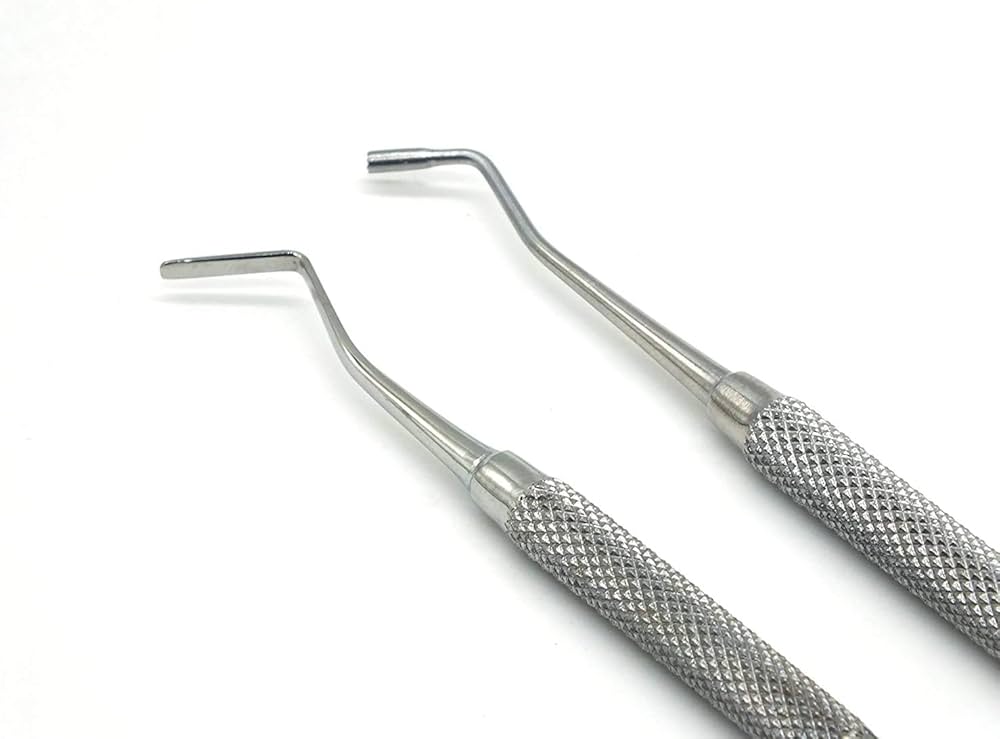
Dycal Dental Condensers - Precision Instruments for Effective Liner Placement & Restorative Procedures
Key Benefits of Dycal Dental Condensers
-
Accurate Placement of Dycal & Liners – Designed to precisely carry and condense calcium hydroxide liners into cavity preparations.
-
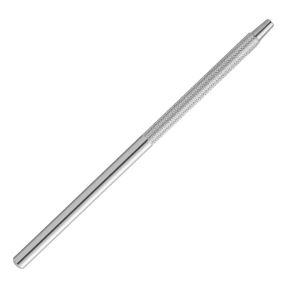
Optimized Working Ends – Smooth, well-shaped tips allow controlled application in small or deep cavities.
-
Durable Stainless Steel Construction – Corrosion-resistant and suitable for repeated sterilization.
-
Ergonomic Handle Design – Provides enhanced grip and tactile control during delicate restorative procedures.
-
Ideal for Restorative Dentistry – Supports efficient cavity lining before composite or amalgam restorations.
Dycal Dental Condensers – Reliable Tools for Restorative Dentistry
Dycal Dental Condensers are specialized dental instruments used to place and condense calcium hydroxide liners (such as Dycal) into prepared cavities. They play a critical role in protecting the dental pulp by ensuring accurate and controlled liner application before final restorations.
Crafted from high-quality medical-grade stainless steel, these condensers provide durability, precision, and ease of sterilization—making them essential tools in dental clinics, hospitals, and training institutions.
Whether performing routine restorations or deep cavity treatments, Dycal Dental Condensers enhance procedural accuracy and clinical outcomes.
Why Choose Dycal Dental Condensers?
-
Precision Application – Designed for accurate liner placement in small or confined cavity areas.
-
Smooth Finishing – Helps achieve uniform liner thickness for optimal pulp protection.
-
Reusable & Autoclavable – Built to withstand repeated sterilization cycles.
-
Balanced & Lightweight – Ensures comfort during extended procedures.
-
Professional-Grade Quality – Suitable for dentists, dental therapists, and restorative specialists.
Common Uses of Dycal Dental Condensers
-
Placement of calcium hydroxide liners
-
Pulp capping procedures
-
Deep cavity preparations
-
Restorative treatments prior to composite or amalgam filling
-
Protective base application under restorations
How to Use Dycal Dental Condensers
-
Ensure the instrument is properly sterilized before use.
-
Mix the Dycal or liner material as per manufacturer instructions.
-
Use the condenser tip to carry a small amount of material into the cavity.
-
Gently condense and adapt the liner to the prepared area.
-
Clean and sterilize the instrument after use according to clinic protocols.
Who Should Use Dycal Dental Condensers?
-
General dentists
-
Restorative dentistry specialists
-
Dental clinics and hospitals
-
Dental training institutions
-
Oral health professionals performing cavity lining procedures
Key Features at a Glance
-
Medical-grade stainless steel
-
Double-ended design (varies by model)
-
Smooth, precision tips
-
Autoclavable and reusable
-
Ergonomic, easy-grip handle
Warnings & Precautions
-
For professional dental use only.
-
Always sterilize before and after each procedure.
-
Inspect instrument tips regularly for wear or damage.
-
Handle with care to avoid contamination or injury.
-
Store in a clean, dry, sterile environment.
Buy Dycal Dental Condensers at the Best Price from Pharmily
Equip your dental practice with high-quality Dycal Dental Condensers—available at Pharmily, Kenya’s trusted online pharmacy and medical equipment supplier.
Why Shop with Pharmily?
-
100% genuine professional dental instruments
-
Reliable quality for clinics and hospitals
-
Fast and secure delivery across Kenya
-
Dedicated customer support
Order today from Pharmily and enhance precision in your restorative procedures.
FAQs
Q: What are Dycal Dental Condensers used for?
They are used to place and condense calcium hydroxide liners during restorative dental procedures.
Q: Are the instruments reusable?
Yes, they are made of stainless steel and are fully autoclavable for repeated use.
Q: Can they be used for composite placement?
They are primarily designed for liner placement, but may assist in certain restorative procedures depending on clinical preference.
Q: Are they suitable for dental students?
Yes, they are appropriate for both professional dentists and dental training institutions.
There are no product reviews yet.