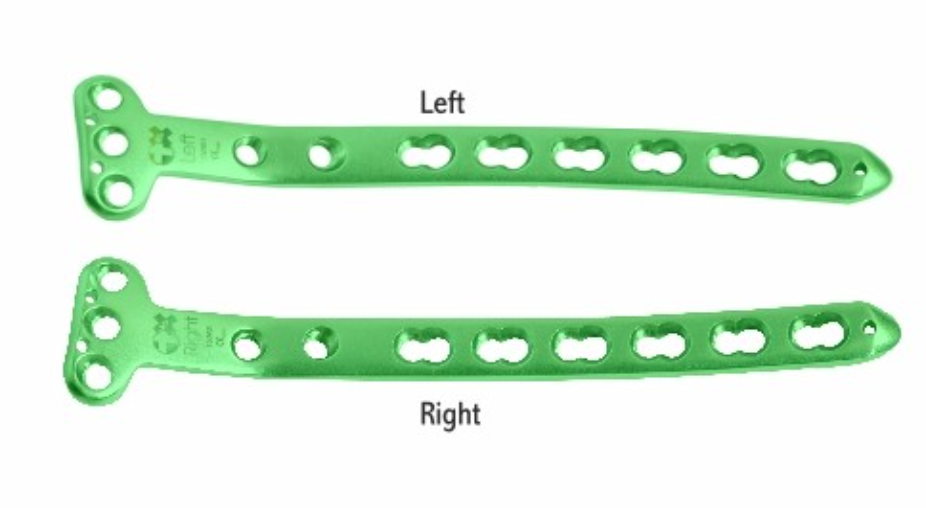
Proximal Medial Tibia Locked Plate (Left/Right) – Stable Fixation for Tibial Fractures
Key Benefits of Proximal Medial Tibia Locked Plate
Strong Fracture Stabilization – Provides secure fixation for proximal tibia fractures.
Anatomically Contoured Design – Designed to match the natural shape of the tibia for improved fit.
Locked Screw Technology – Enhances stability and minimizes screw loosening.
Supports Faster Recovery – Helps maintain proper bone alignment during healing.
Available for Left and Right Leg – Ensures accurate anatomical placement and surgical precision.
Proximal Medial Tibia Locked Plate – Reliable Orthopedic Support for Fracture Management
The Proximal Medial Tibia Locked Plate (Left/Right) is an advanced orthopedic implant designed for the fixation of fractures involving the proximal tibia. It is commonly used in orthopedic trauma surgeries to stabilize complex fractures, osteotomies, and bone injuries around the upper part of the tibia.
Manufactured using high-quality medical-grade materials, this locked plate system offers excellent strength, durability, and compatibility for surgical use. The locking mechanism improves fixation stability, especially in patients with weak or osteoporotic bone.
Its anatomically shaped design helps surgeons achieve accurate placement while minimizing soft tissue irritation and improving patient outcomes.
Why Choose a Proximal Medial Tibia Locked Plate?
Enhanced Stability – Locking screws provide fixed-angle support for better fracture fixation.
Precision Fit – Anatomically contoured to fit the proximal medial tibia.
Durable Medical-Grade Material – Designed for long-term orthopedic performance.
Improved Surgical Outcomes – Helps maintain alignment and bone healing.
Suitable for Complex Fractures – Effective for trauma-related and reconstructive procedures.
How the Proximal Medial Tibia Locked Plate is Used
Implanted surgically by a qualified orthopedic surgeon.
Positioned along the proximal medial side of the tibia.
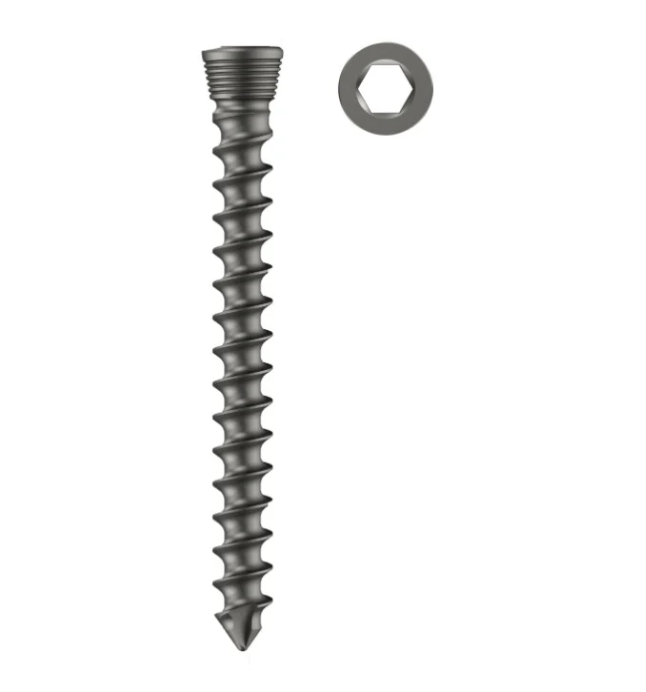
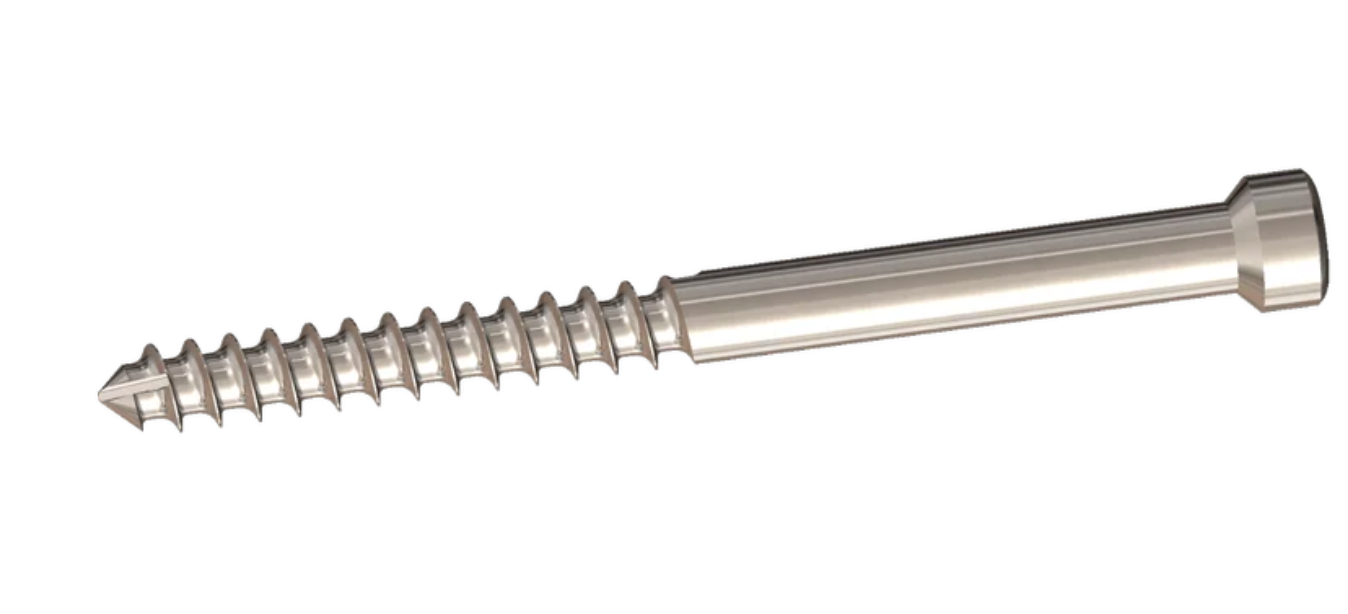
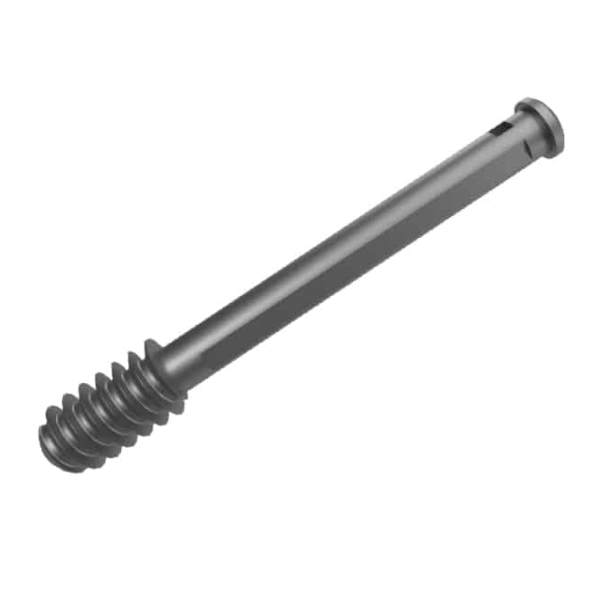
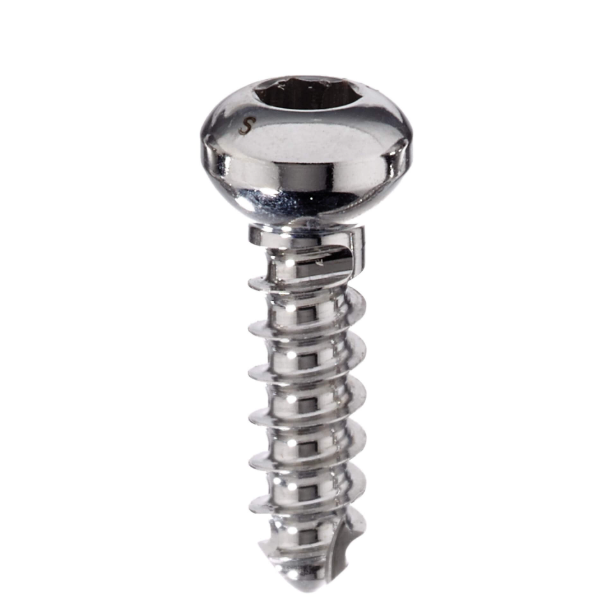
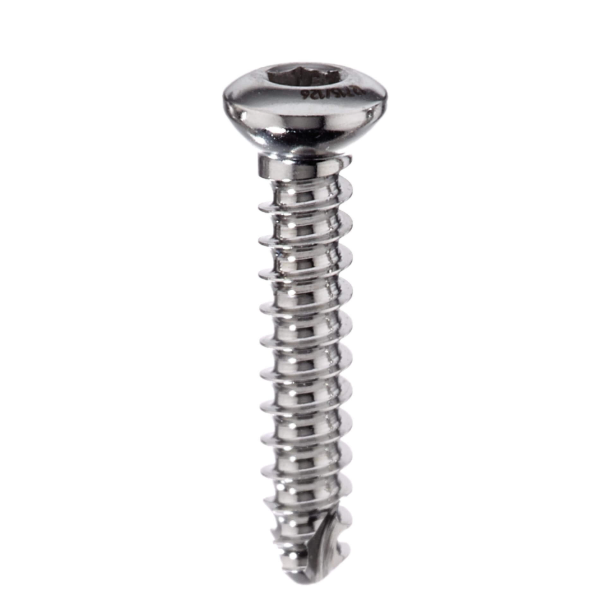
Fixed using compatible locking and cortical screws.
Used according to fracture type and patient anatomy.
Who May Require a Proximal Medial Tibia Locked Plate?
Patients with proximal tibial fractures.
Individuals with complex or unstable tibia injuries.
Patients requiring orthopedic reconstructive surgery.
Cases involving osteoporotic or weakened bone structure.
Key Features at a Glance
Anatomically contoured plate
Locking screw compatibility
Strong and durable construction
Available in left and right configurations
Designed for proximal tibia fixation
Warnings & Precautions
For professional medical use only.
Must be implanted by a trained orthopedic surgeon.
Use only compatible surgical instruments and screws.
Follow proper sterilization and surgical protocols.
Patients should follow post-operative care instructions carefully.
Buy Proximal Medial Tibia Locked Plate (Left/Right) at the Best Price in Kenya
Get high-quality orthopedic implants from Pharmily, your trusted supplier of genuine medical and surgical products in Kenya.
High-quality orthopedic fixation solutions
Reliable performance for surgical procedures
Fast and dependable delivery across Kenya
Order today from Pharmily for trusted orthopedic care products and surgical supplies.
FAQs
Q1: What is a proximal medial tibia locked plate used for?
It is used to stabilize and fix fractures of the upper part of the tibia during orthopedic surgery.
Q2: What does “locked plate” mean?
A locked plate uses locking screws that secure firmly into the plate, providing stronger and more stable fixation.
Q3: Is this implant available for both legs?
Yes, it is available in both left and right configurations for accurate anatomical placement.
Q4: What material is the plate made from?
Most plates are manufactured from medical-grade stainless steel or titanium alloy for strength and biocompatibility.
Q5: Can this plate be used in osteoporotic bone?
Yes, locking plate systems are especially useful in patients with weak or osteoporotic bone due to improved fixation stability.
There are no product reviews yet.