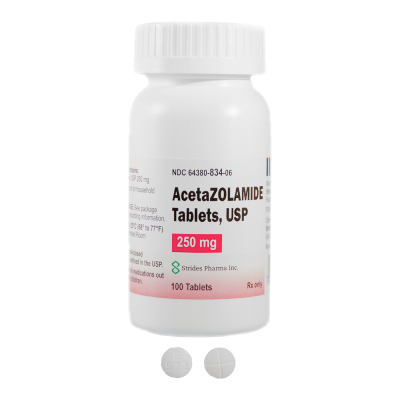
1. What is Acetazolamide and What Is It Used
For?
Acetazolamide works by inhibiting
the enzyme carbonic anhydrase, which is found in the kidneys, eyes, and brain.
By blocking this enzyme, it reduces fluid production in the eye (lowering
intraocular pressure), alters the acid-base balance to suppress seizures,
increases urine output, and helps the body acclimatise to high altitude.
Acetazolamide 250 mg tablets are
used to treat: Glaucoma (open-angle and pre-operative acute-angle closure) — to
reduce raised intraocular pressure; Epilepsy — as an adjunct to other
anticonvulsants; Altitude sickness (acute mountain sickness) prevention and
treatment; Oedema (fluid retention) associated with heart failure or medicines;
and Idiopathic intracranial hypertension (raised pressure in the brain).
2. How to Take This Medicine
Open-angle Glaucoma
•
250 mg 1–4 times daily (up
to 1 g/day).
Altitude Sickness Prevention
•
250 mg twice daily,
starting 24–48 hours before ascent and continuing for 48 hours after reaching
altitude.
Altitude Sickness Treatment
•
250 mg twice daily until
symptoms resolve.
Take tablets with food to reduce
stomach upset. Swallow whole with plenty of water.
3. Side Effects
Common Side Effects
•
Increased urination
(diuretic effect) — to be expected.
•
Tingling or numbness in the
hands, feet, and face (paraesthesia).
•
Nausea, vomiting, loss of
appetite.
•
Altered taste (especially
for carbonated drinks).
•
Drowsiness and fatigue.
Serious Side Effects — Seek Medical Attention
•
Signs of low potassium:
muscle weakness, cramps, irregular heartbeat.
•
Kidney stones — flank pain,
blood in urine.
•
Severe skin reactions
(Stevens-Johnson syndrome): blistering, peeling rash.
•
Blood disorders: unusual
bruising, pale skin, persistent fatigue.
4. Contraindications — Who Should NOT Take
This Medicine
|
Do not take
Acetazolamide if you: •
You are allergic to
acetazolamide or sulphonamide antibiotics (e.g.,
trimethoprim-sulfamethoxazole). •
You have low sodium or
low potassium blood levels. •
You have severe kidney
disease or are unable to urinate. •
You have severe liver
disease or cirrhosis. •
You have Addison's
disease (adrenal gland insufficiency). •
You are taking high-dose
aspirin therapy (risk of serious interaction). |
5. Safety Warnings and Special Precautions
•
Kidney stones: Drink at
least 2 litres of water daily during treatment.
•
Potassium loss: Eat
potassium-rich foods (bananas, oranges, potatoes) or take potassium supplements
as directed.
•
Elderly patients are more
susceptible to electrolyte imbalances — monitor more closely.
•
Pregnancy: Avoid in the
first trimester; use with caution in later pregnancy. Not recommended for
altitude sickness prevention in pregnancy.
•
Breastfeeding: Passes into
breast milk; discuss with your doctor.
•
Driving: Can cause
drowsiness — use caution when driving or operating machinery.
6. Drug Interactions
•
High-dose aspirin —
potentially serious interaction causing metabolic acidosis and CNS toxicity.
Avoid if on high-dose aspirin therapy.
•
Lithium — acetazolamide
increases lithium excretion; may reduce lithium levels.
•
Methotrexate —
acetazolamide may reduce methotrexate excretion, increasing toxicity risk.
•
Anticonvulsants
(carbamazepine, phenytoin) — acetazolamide may raise levels of these drugs.
•
Digoxin — increased risk of
digoxin toxicity if potassium levels fall.
•
Other diuretics — risk of
excessive fluid and electrolyte loss.
7. Storage Instructions
•
Store below 25°C, away from
moisture and direct sunlight.
•
Keep in original packaging.
•
Keep out of reach of
children.
8. Prescription Status in Kenya
Acetazolamide is a
prescription-only medicine (POM) in Kenya. It should only be dispensed on a
valid prescription from a registered medical practitioner.
9. Patient Guidance
|
Important Reminders for
Patients •
Take with food if the
tablets cause stomach upset. •
Drink plenty of water (at
least 2 litres daily) to reduce kidney stone risk. •
Do not suddenly stop
taking acetazolamide without speaking to your doctor first (especially for
epilepsy). •
Tell your doctor if you
notice numbness, tingling, or unusual muscle weakness. •
Carry a list of your
medicines to every appointment. •
For altitude sickness:
start tablets at least 1–2 days before ascent. |
10. Pharmacist / Prescriber Notes
•
Monitor electrolytes (Na+,
K+), bicarbonate, and renal function, especially in elderly patients.
•
Avoid in severe renal
impairment (CrCl <10 mL/min).
•
Alkaline urine produced by
acetazolamide can reduce the efficacy of urinary tract antiseptics (e.g.,
methenamine).
•
Cross-sensitivity with
sulphonamides exists — screen for allergy history.
•
May cause false-positive
urine protein tests.
11. Frequently Asked Questions (FAQs)
What is acetazolamide used for?
Acetazolamide is used to treat
glaucoma, epilepsy, altitude sickness, and fluid retention. It works by
reducing fluid production in the eyes and body and altering brain chemistry to
control seizures.
Can I take acetazolamide before
climbing Kilimanjaro?
Yes. Acetazolamide is commonly
used to prevent altitude sickness. Start at 250 mg twice daily, beginning 1–2
days before your ascent, and continue for 2 days after reaching your highest
altitude.
Why do my hands and feet tingle
when I take acetazolamide?
Tingling or numbness
(paraesthesia) is a very common, harmless side effect of acetazolamide related
to how it affects the acid-base balance in your body. It usually decreases
after the first few days.
Will acetazolamide make me
urinate more?
Yes, increased urination is an
expected effect of this medicine. Drink plenty of water to stay hydrated and
reduce the risk of kidney stones.
Can I drink alcohol while
taking acetazolamide?
Alcohol may worsen drowsiness and
increase the risk of low blood pressure. It is best to limit or avoid alcohol
during treatment.
Is acetazolamide safe in
pregnancy?
Acetazolamide should be avoided in
the first trimester. In later pregnancy, it should only be used if clearly
needed and prescribed by your doctor. It is not recommended for altitude
sickness prevention during pregnancy.
Can acetazolamide cause kidney
stones?
Yes, there is an increased risk of
kidney stones with long-term use. Drinking at least 2 litres of water per day
significantly reduces this risk.
Will soft drinks taste strange
on acetazolamide?
Yes — many patients notice that
carbonated (fizzy) drinks taste flat or metallic. This is a harmless and
temporary side effect.
There are no product reviews yet.