What is CARDESINE and What Is It Used For?
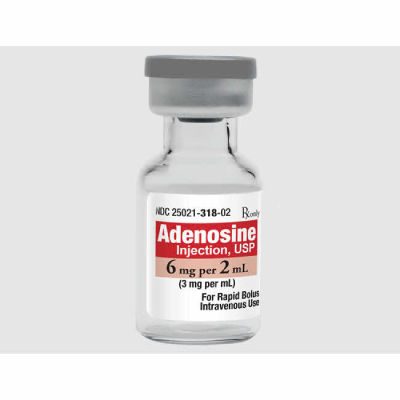
Cardesine (adenosine) is a naturally occurring substance found in every
cell of the human body. As an injectable medicine, it is used in emergency
cardiac situations to rapidly terminate a type of abnormally fast heart rhythm
called paroxysmal supraventricular tachycardia (SVT/PSVT) — a rapid, irregular
heartbeat originating in the upper chambers of the heart.
Adenosine works within seconds by temporarily slowing electrical
conduction through the heart's AV node, effectively 'resetting' the heart to a
normal rhythm. Its extremely short half-life (less than 10 seconds) means any
side effects are brief and transient. It is administered only in hospital with
continuous cardiac monitoring and resuscitation equipment available.
Approved Uses
• Rapid conversion to normal sinus
rhythm of paroxysmal supraventricular tachycardia (PSVT/SVT) in adults and
children — including SVT associated with Wolff-Parkinson-White (WPW) syndrome
• Diagnostic aid in broad or narrow
complex supraventricular tachycardias — helps identify the type of arrhythmia
by revealing the underlying atrial activity
• Adjunct to electrophysiological
(intracavitary) investigations
2. How to Take This Medicine
|
⚠ This medicine is ALWAYS given by a trained
healthcare professional in a hospital cardiac setting with continuous ECG
monitoring. It must NEVER be self-administered. |
Adults
• Initial dose: 6 mg as a RAPID IV
bolus over 1–3 seconds into a large peripheral vein (antecubital or larger),
followed immediately by a 20 mL normal saline flush
• If no conversion within 1–2 minutes:
12 mg IV bolus
• If still no conversion: a second 12
mg dose may be given
• Maximum total dose: 30 mg
Children (under 50 kg)
• 0.05–0.1 mg/kg as a rapid IV bolus.
Maximum single dose: 0.3 mg/kg or 12 mg
Special Populations — REDUCE DOSE to 3 mg
• Cardiac transplant recipients
(adenosine sensitivity is greatly increased)
• Patients on dipyridamole or
carbamazepine
• When administered via central venous
access
CRITICAL: Administer only as a RAPID IV BOLUS — slow infusion is
completely ineffective due to the drug's 10-second half-life.
3. Side Effects
Common — Almost Universal but Transient (lasting 10–30
seconds only)
• Facial flushing, warmth or redness
• Chest tightness or discomfort
• Shortness of breath
• Dizziness or lightheadedness
• Nausea
• Brief palpitations, sense of heart
'fluttering'
• Transient ECG changes: bradycardia,
brief pauses, or short runs of other rhythms — expected and self-limiting
within seconds
Serious — Report to Medical Team
• Severe bronchospasm: especially in
patients with asthma — bronchodilators must be available
• Prolonged asystole (cardiac
standstill): rare but possible — most dangerous with dipyridamole
co-administration
• Ventricular arrhythmias: may be
triggered in susceptible patients
• Severe hypotension
4. Contraindications — Who Should NOT Receive
This Medicine
• Second- or third-degree AV block
(without a functioning pacemaker)
• Sick sinus syndrome (without a
functioning pacemaker)
• Severe asthma or bronchospasm —
adenosine can trigger dangerous bronchospasm
• Known hypersensitivity to adenosine
• Concurrent dipyridamole use —
potentiates adenosine 4-fold (risk of asystole); stop dipyridamole 24 hours
before if essential
5. Safety Warnings and Special Precautions
Asthma / COPD
CONTRAINDICATED in active bronchospasm. Use with extreme caution in any
respiratory disease — have bronchodilators (salbutamol) available at bedside.
Cardiac Monitoring
Continuous ECG monitoring and full cardiorespiratory resuscitation
equipment MUST be available during and after administration. A brief period of
asystole after conversion is expected and usually self-terminating.
Pregnancy
Limited human data available. Adenosine is naturally present in the body
and is not thought to pose significant fetal risk. Use only when benefit
clearly outweighs risk.
6. Drug Interactions
• Dipyridamole: ABSOLUTELY
CONTRAINDICATED — inhibits adenosine breakdown, causing 4-fold potentiation.
Risk of asystole.
• Theophylline, aminophylline, caffeine
(xanthines): Block adenosine receptors and completely antagonise its effect —
avoid for 24 hours before adenosine administration
• Carbamazepine: Enhances AV block
effect — reduce adenosine dose to 3 mg
• Beta-blockers, calcium channel
blockers, digoxin: May potentiate AV conduction effects — use with caution and
have resuscitation ready
7. Storage
• Store below 25°C. Do NOT refrigerate
or freeze (precipitation may occur)
• Do not use if particulate matter or
discolouration is present
• For single use only — discard any
unused solution immediately after use
8. Prescription Status
POM — Prescription Only Medicine. Hospital emergency/cardiac use only.
Requires continuous ECG monitoring and resuscitation availability.
9. Patient Guidance
The brief side effects you experience during adenosine administration —
flushing, chest tightness, and shortness of breath — are expected and last only
10–30 seconds. They are caused by the drug momentarily slowing your heart and
are not dangerous. Tell the medical team immediately if you have a history of
asthma before receiving this medication.
10. Pharmacist / Prescriber Notes
• Half-life is <10 seconds — must be
administered as a very rapid IV bolus followed immediately by a saline flush to
reach the central circulation before the drug is metabolised
• SVT termination rate with standard
dosing: approximately 90–95% for AV-nodal re-entrant tachycardia (AVNRT) and AV
re-entrant tachycardia (AVRT); lower for other SVT types
• Diagnostic value: Even when adenosine
fails to terminate the rhythm, the transient AV block it causes reveals the
underlying atrial activity on the ECG, aiding diagnosis
• Xanthine antagonism: Patients who
regularly consume high amounts of caffeine (strong coffee, energy drinks) may
require higher doses — theophylline renders adenosine completely ineffective
• Dipyridamole alert: Commonly used in
pharmacological stress testing — check medication history before administration
• Central line dosing: Halve the dose —
drug reaches the heart faster via central access
11. Frequently Asked Questions (FAQs)
Q: Why did I feel so strange when I received adenosine?
A: The flushing, chest tightness, and
breathlessness you felt are common and expected with adenosine. They typically
last only 10–30 seconds — no longer — because the drug is broken down extremely
quickly in the body. These sensations are caused by the drug temporarily
slowing your heart and are not a sign of danger.
Q: Will adenosine work every time my SVT comes back?
A: Adenosine is very effective (over
90% success rate) for the most common types of SVT that rely on a circuit
running through the AV node. If your SVT is caused by a different mechanism,
adenosine may help diagnose but not convert it. Discuss long-term rhythm
management with your cardiologist.
Q: Can I go home right away after receiving adenosine?
A: No. You will be observed and
monitored for a period after treatment to ensure your heart rhythm remains
stable and normal. Your doctor will advise when it is safe to be discharged.
There are no product reviews yet.