WHAT IS THIS MEDICINE?
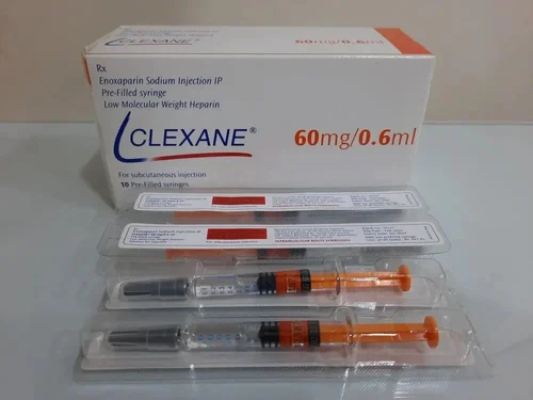
Clexane 60mg is typically used as part of a weight-based
therapeutic (treatment) regimen for deep vein thrombosis (DVT) or pulmonary
embolism (PE). The usual therapeutic dose is 1mg/kg twice daily or 1.5mg/kg
once daily — so 60mg is the twice-daily dose for a patient weighing
approximately 60kg.
2. HOW TO TAKE THIS MEDICINE
Administer subcutaneously twice daily at 12-hourly intervals
(when used as 1mg/kg twice daily) or once daily (1.5mg/kg regimen). Treatment
of acute DVT/PE typically continues for 5–10 days, overlapping with oral
anticoagulation (warfarin or a DOAC) until therapeutic levels are reached.
Inject into the anterolateral or posterolateral abdominal wall.
3. POSSIBLE SIDE EFFECTS
Common side effects include the following. Contact your
doctor or pharmacist if any side effect worries you.
|
Side Effect |
Frequency |
What To Do |
|
Bleeding (minor to major) |
Common |
Report any unusual bleeding to doctor urgently |
|
Injection site bruising |
Very common |
Rotate sites; do not rub |
|
Anaemia |
Common |
Report fatigue and pallor |
|
Thrombocytopenia |
Uncommon |
Platelet monitoring required |
|
Elevated liver enzymes |
Common |
Usually reversible; monitored |
|
HIT |
Rare |
New clots or falling platelets — stop &
consult |
|
Hypersensitivity |
Rare |
Rash, urticaria — seek medical advice |
|
⚠ IMPORTANT WARNING |
|
At therapeutic doses, the bleeding risk is
higher than with prophylactic doses. Call your doctor immediately if you
notice blood in your urine, black tarry stools, coughing up blood, sudden
severe headache, or unusual bruising. |
4. WHO SHOULD NOT TAKE THIS MEDICINE
Contraindicated in active haemorrhage, recent haemorrhagic
stroke, severe thrombocytopenia, known HIT, and allergy to enoxaparin or pork
products. Reduce dose or avoid in severe renal impairment (CrCl <30ml/min).
5. DRUG INTERACTIONS
Same as Clexane 40mg. At therapeutic doses, the interaction
with antiplatelet drugs and NSAIDs is even more clinically significant —
ideally, avoid concurrent NSAIDs.
6. HOW TO STORE
Store below 25°C. Do not freeze. Single-use pre-filled
syringes. Protect from light.
7. PRESCRIPTION STATUS
Prescription Only Medicine (POM). Therapeutic anticoagulation
must be initiated and monitored by a physician.
|
💚 PATIENT TIP |
|
Keep a simple diary noting the time and site of
each injection. This helps you rotate sites correctly and never miss a dose —
regular 12-hourly timing is important for therapeutic effect. |
8. PHARMACIST'S NOTE
At therapeutic doses, pharmacists should verify weight-based
dosing. For patients over 100kg or under 45kg, standard doses may not be
appropriate, and anti-Xa monitoring is recommended. Ensure the patient has been
counselled about bleeding warning signs.
9. FREQUENTLY ASKED QUESTIONS
|
FREQUENTLY ASKED QUESTIONS |
|
Q: How is the dose
determined? A: The therapeutic dose is weight-based: 1mg/kg
twice daily or 1.5mg/kg once daily. A 60kg patient receives 60mg twice daily
on the standard regimen. |
|
Q: How long will I be on
it? A: For DVT/PE, typically 5–10 days while
starting a long-term oral anticoagulant. Some patients, especially those with
cancer, may continue enoxaparin long-term. |
|
Q: What should I do if I
bleed during treatment? A: For minor bleeding, apply pressure. For any
significant bleeding (blood in urine, black stools, vomiting blood) seek
emergency medical help immediately. |
|
Q: Can I eat normally
during treatment? A: Yes. Unlike warfarin, enoxaparin is not
affected by dietary vitamin K, so there are no dietary restrictions. |
|
Q: What is the antidote
if I bleed badly? A: Protamine sulphate partially reverses the
effect of enoxaparin. It is used in emergency settings under medical
supervision. |
There are no product reviews yet.